

































The easiest time to deal with your furnace or air conditioner is before the first heat wave or cold snap, when there is time to compare options and book a convenient slot. If you are planning ahead, or already dealing with a problem, a search for “AC installation” is a sensible first step. The answers here cover AC installation for homes in Edmonton, from what to check today to what to ask when you call.
What size HVAC system does a home need?
Sizing should come from a load calculation, not from the label on the old unit. The house tells us what it needs: how well the attic and walls are insulated, how much glass faces the afternoon sun, how leaky it is and how the ducts are laid out. Plenty of older systems were oversized from the start, and swapping in the same size repeats the mistake. Too big means short, noisy cycles and clammy rooms in summer; too small means a system that never catches up. If a quote names a size without anyone measuring windows or asking about insulation, ask how the number was chosen.
Can a new air conditioner be added to an existing furnace and ductwork?
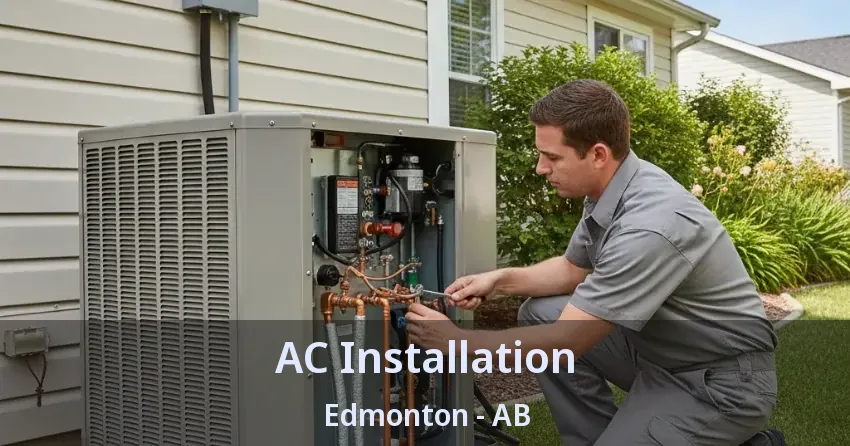
Usually, yes. Most central air conditioners are designed to work with a furnace that already has ducts: an indoor coil sits on top of the furnace, the outdoor unit goes outside and copper lines connect the two. The furnace blower then moves the cooled air through the existing ducts. The details still need checking, because the blower must move enough air for cooling and the ducts must be large and tight enough. Return air paths matter too. When you compare “AC installation” quotes, ask whether the installer measured the airflow and looked at the ducts before choosing the size.
How does your air conditioner keep the house cool?
A central air conditioner cools a house by moving heat from indoor air to the outdoors. Warm air from the rooms is pulled through return ducts and across a cold indoor coil, usually sitting on top of the furnace or air handler. The coil absorbs heat and moisture, and the blower pushes the cooled air back through the supply ducts. The heat collected indoors travels through copper lines to the outdoor unit, where a compressor and a large fan release it outside. Because it also removes humidity, a well-working system makes rooms feel more comfortable as well as cooler.
When does installing a new system make more sense than another repair?
Replacement belongs on the table when repairs stop being a good use of money, not just when something breaks. Patterns worth watching: the same system needing a major part one season and another the next, a compressor or heat exchanger failing on older equipment, or a household that has given up on certain rooms. Changes to the house matter too, since an addition, a finished basement or new insulation can leave the old equipment the wrong size. A fair recommendation explains what failed, what a repair would involve and what a new system would change, so the decision stays yours.
What happens during an HVAC installation?
An HVAC installation usually begins with protecting floors and removing the old equipment safely, including disconnecting power and, for gas appliances, the gas supply. The new equipment is then set in place and connected to power, controls, ductwork or line sets and, where it applies, gas and venting. Condensate drains are run, the system is started up and adjusted as the manufacturer specifies and the thermostat is connected. The crew tests operation, checks airflow and safety controls and cleans up. Before leaving, they should walk you through the thermostat, filter changes and anything specific to the new equipment.
Why do quotes for AC installation vary from home to home?
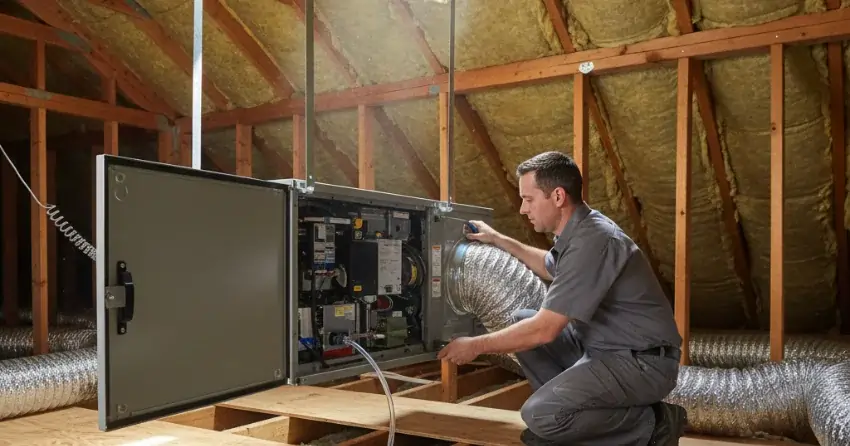
Two homes with the same square footage can get very different quotes, because the equipment is only part of the job. The unit is priced first, then everything around it: whether the ducts are sized and sealed well enough to keep, whether the electrical panel has room, whether the venting must change for a new furnace and how hard the space is to work in. Mini-split prices climb with each indoor head and the length of the line runs. Extras like a new thermostat show up as separate lines. If one quote is far lower than the others, check what it leaves out.
How should you care for a new HVAC system?
The first season sets the habits. New-system owners do well to check the filter monthly until they know how fast it loads, to leave the thermostat on a steady schedule and to call the installer about anything that seems off in the first weeks, because small adjustments are easiest early on. Modern equipment often runs longer at lower speeds, which surprises people used to an older unit that blasted on and off. A yearly maintenance visit keeps the drains, coils and burners in the condition they were installed in. And keep the installation paperwork somewhere you can find it.
Is a heat pump worth considering instead of a standard air conditioner?
It is worth asking about. A heat pump cools exactly like an air conditioner in summer, but it can also run in reverse to heat the home in milder weather, often paired with an existing furnace that takes over when it gets very cold. Whether it makes sense depends on your climate, the fuel your furnace uses, local energy prices and how long you plan to stay in the house. Installation is very similar, so the choice mainly affects running costs and comfort in the cooler months. If “AC installation” is your current search, ask installers to price both options side by side.
Which questions help you compare installers in Edmonton?
Put these to every installer who quotes the job:
- How did you decide on the size, and did you measure the house?
- Will the existing ductwork, line set, wiring or venting be reused, changed or replaced?
- What exactly is included: removal, permits where required, thermostat, startup checks?
- Who does the installation, and what follow-up comes after the job?
An installer who answers with measurements and specifics has usually done the homework; one who pushes for a signature that day has not.
Pair good habits with a professional check
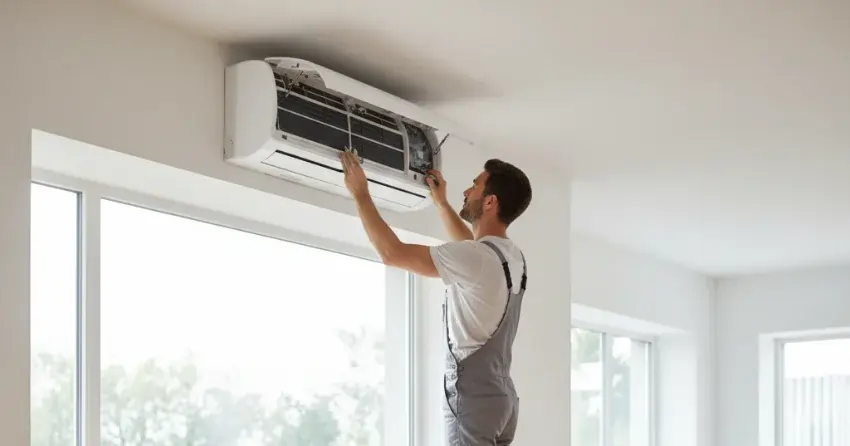
Simple routines at home go a long way, and a periodic visit catches what you cannot see. Together they keep your air conditioner in steady shape year after year. Call (587) 853-6668 to plan the next check with Gas Fireplace Edmonton.
