

































When equipment acts up, it is easy to assume the worst and brace for a big bill. Often the fix is simpler, and sometimes it is not, but either way you deserve a clear explanation. This page is written for homeowners in Edmonton researching “ductless repair” who want to understand ductless mini-split repair before anyone opens a panel, including the questions that help you weigh your options with confidence.
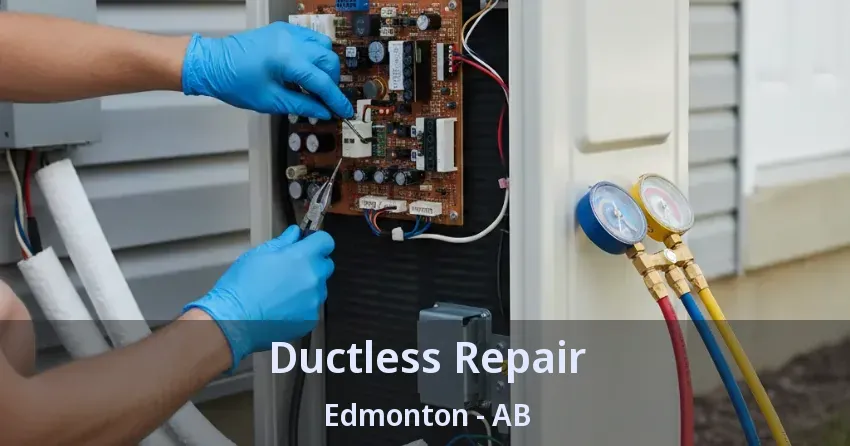
Why does one indoor head stop working on a multi-zone system?
When one head goes quiet while the others run normally, the problem is usually specific to that zone. Common causes include a damaged communication cable between that head and the outdoor unit, a failed sensor or circuit board in the head, a blocked drain that has triggered a safety switch or a faulty valve inside the outdoor unit for that zone. Check that the head’s remote has fresh batteries and the right mode, then note any blinking code. Beyond that, leave it to a technician. Describing which head failed and when helps a “ductless repair” visit get to the cause faster.
Which sounds from your ductless mini-split are a warning sign?
Strange noises usually point to a specific part, and the type of sound gives a useful clue:
- squealing or screeching often means a worn belt or a failing motor bearing;
- rattling suggests a loose panel, a loose screw or debris in a fan;
- a loud bang when a gas furnace lights can mean delayed ignition;
- grinding, endless clicking or a constant buzz can point to motor or electrical trouble.
Switch the system off if a noise is loud or new and comes with a burning smell, and have it checked rather than waiting for it to fail.
Is it normal for a mini-split to stop blowing air in heating mode?
Sometimes, yes. When heating starts, many units wait until the indoor coil is warm before running the fan, so you do not get a blast of cold air. In cold, damp weather, the outdoor unit also stops now and then to defrost, and the indoor fan pauses during that time, usually for a few minutes. These pauses are normal. A fan that stays off for a long time, a head that blows cold air in heating mode or a blinking error light is different and worth a call. Knowing the difference can save you an unnecessary “ductless repair” visit.
Why does an HVAC system keep turning on and off?
An HVAC system that keeps turning on and off, often called short cycling, is usually reacting to overheating, a control problem or equipment that is too large for the home. Common causes include a clogged filter, a thermostat placed near a heat source or a draft, a dirty flame sensor on a furnace, a frozen coil on an air conditioner and safety switches tripping because airflow is blocked. Start by replacing the filter and making sure supply and return vents are open. If the cycling continues, have a technician find the cause, because constant starts wear out parts quickly.
How does a technician find out what is wrong with your ductless mini-split?
Good diagnosis is mostly method. We hear the symptom from you, check the simple things first, then follow the system’s own sequence until something does not happen the way it should. A meter shows whether a part has power and whether it responds; a temperature reading shows whether heat is moving as it should. Spending a few extra minutes confirming a cause beats replacing parts on a hunch. Once the cause is clear, you see the part or the reading, hear the options and give the go-ahead. Before leaving, a full cycle confirms nothing else was hiding behind the first fault.
How often do homes in Edmonton need heating and AC maintenance?
A common guideline is to have heating equipment checked once a year before the cold season and cooling equipment once a year before the warm season. Heat pumps and mini-splits, which work in both seasons, often benefit from two visits a year. Homes with pets, heavy use, dusty conditions or older equipment may need more attention. Between visits, the most useful habit is changing or cleaning filters on schedule. If your system has gone a few years without a check, a visit now gives you a baseline and a clear picture of anything that is wearing.
How can you make a technician’s visit go smoothly?
Preparing for a visit mostly means clearing access and gathering information. Make a clear path to the furnace, air handler, outdoor unit or mini-split heads, and move stored items away from the equipment. Unlock gates, and note where the attic or crawlspace access is if equipment sits there. Write down what you have noticed, when it started and any error codes or sounds. Have the model information handy if you can find it on the unit’s label. Keep pets in another room, and tell the company about parking or building access rules ahead of time.
Is it safe to keep running a system that is acting up?
It depends on the symptom, and when in doubt, turn it off. Shut the system off at the thermostat if you notice a burning or electrical smell, smoke, loud banging or grinding, water pooling near equipment or an iced coil. If you smell gas, leave the home and call the gas utility from outside. Milder problems, such as slightly weak airflow or a little extra noise, usually allow limited use, but avoid running a struggling system nonstop. Meanwhile, use fans, blinds and curtains to manage temperature, and never use an oven or an outdoor grill to heat the house.
What should you look for in a company for ductless mini-split repair?
Listen to how they talk about your problem. A technician who knows the work asks questions before quoting, explains the cause in plain language and gives you options rather than a single expensive answer. They are comfortable showing you the failed part or the reading that proves it. For installation work, they measure the house, look at the ductwork and talk about sizing. Pay attention to small things too: a clear arrival window, shoe covers and a tidy work area. Those habits usually go with careful work on the equipment itself, which is the part you cannot easily see.
What happens after you reach out
We confirm the details of your home, suggest a visit window and explain what ductless mini-split repair will involve. On the day, the technician checks in before starting and walks you through the results at the end. Get started with a quote from Gas Fireplace Edmonton.
