































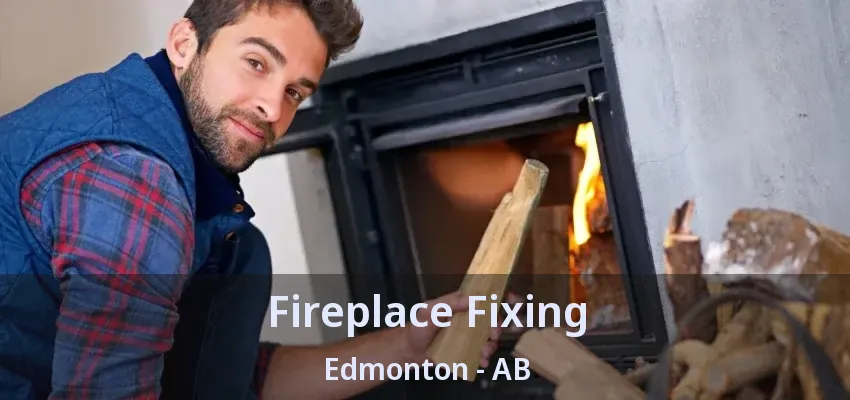
Smoke, soot and heat are hard on masonry and metal, even when everything looks fine from the living room. Most of the wear happens inside the flue, where nobody notices it until a problem shows up. If “fireplace fixing” is what brought you here, this guide walks homeowners in Edmonton through fireplace repair in practical terms: what to watch for, what a visit involves and how to keep your fireplace in good working order.
How do you decide whether to repair or replace an old fireplace or stove?
Repairing is usually worth it, because the costly parts of a wood-burning setup, such as the chimney and the masonry around a fireplace, are built to last a very long time. Worn mortar, a rusted damper, cracked firebrick and tired door gaskets are all fixable. Replacement starts to make sense when the main body is failing: a stove with a cracked or badly warped body, a factory-built fireplace whose metal box has rusted through, or masonry so damaged that rebuilding approaches the cost of starting over. A technician can lay out both paths with their pros and cons so you can compare them calmly.
Why is water getting into the fireplace?
Water in a fireplace almost always comes from the top of the chimney or the roof around it. Common sources are a missing or damaged cap, a cracked crown, worn mortar joints, failing flashing where the chimney meets the roof and porous brick that soaks up rain. Signs include rust on the damper, damp or stained firebrick, a musty odor and white mineral deposits on the masonry. People searching for “fireplace fixing” after a wet season often find the firebox damage is only the symptom. Fixing the entry point first keeps the new repair from failing the same way.
What are the signs of a chimney fire?
A chimney fire often announces itself with a loud roaring or rumbling sound, popping and cracking noises, thick smoke and a strong, hot smell, sometimes with flames or sparks shooting from the top. If you notice these, get everyone out of the house and call the fire department from outside. Not every chimney fire is dramatic, though. Slow-burning ones can go unnoticed and leave quieter clues: flaky, puffed-up creosote, a warped damper or cap, cracked flue tiles and debris on the roof or ground. After any suspected chimney fire, have the system inspected before it is used again.
Can loose firebricks be reset instead of replaced?
Often, yes, if the bricks themselves are sound. A firebrick that has worked loose because its mortar burned away can be removed, cleaned and set back with fresh refractory mortar. Bricks that are cracked through, spalled on the face or crumbling at the edges should be replaced, since they no longer protect the wall behind them. During “fireplace fixing” work, a technician taps and inspects each loose brick to decide, and also looks at why it loosened, whether from heat, moisture or impact. Resetting good bricks keeps the firebox looking consistent and saves material.
How are everyday fireplace problems usually fixed?
The list of usual repairs is short and fairly predictable, and each item has a standard fix. Inside the firebox, we replace firebrick that has cracked or spalled and repoint joints where mortar has burned away, always with heat-rated refractory materials. At the throat, we free up or replace dampers that have rusted shut or no longer seal. Up top, we refit missing caps and patch cracked crowns before water does more damage. We also see loose hearth tiles, sagging glass door frames and smoke chamber walls too rough to clean properly. Each repair is small on its own; trouble comes from letting several pile up.
How often should a wood-burning fireplace or stove be swept?
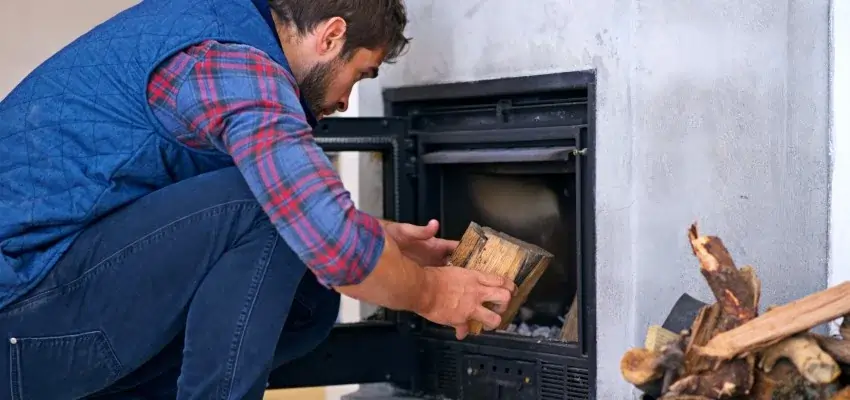
The schedule depends on how much you burn and how cleanly, more than on the calendar. For a household with occasional fires, a yearly visit usually finds a light layer ready to come out. Someone heating with a stove every day may need cleaning before the season ends, especially if the wood is not fully seasoned. Signs between visits help too: black flakes on the hearth, slower starts and darker glass all suggest buildup is growing. Jot down the date of each sweep along with how heavy the deposits were, and after a season or two the right interval becomes clear.
Should you clean out the ashes before the technician arrives?
There is no need to clean the fireplace or stove before the visit, although clearing out a deep pile of completely cold ash is helpful. Technicians empty the firebox as part of the job and can learn something from what is there, such as how much creosote is falling or whether bricks are flaking. What matters most is that the ashes are cold, which can take several days after the last fire, since buried embers stay hot far longer than they look. Do take out unburned logs, kindling and decorations so the firebox is easy to reach.
When is your fireplace ready for a fire again after repair work?
That depends on the repair: simple fixes can be used right away, while many masonry and sealing repairs need a curing period followed by a few small fires. Fresh refractory mortar, firebrick work and crown patches can crack if hit with high heat too soon. Stove gaskets set with high-heat cement and new glass seals also hold up longer after a few gentle first fires. A new damper handle, cap or screen usually needs no wait at all. Ask the technician for clear instructions on how long to wait and how small to keep the first fires, and follow them closely.
What should you ask before hiring someone to work on a fireplace or stove?
The questions that reveal the most are about scope and evidence: what is cleaned, what is inspected, how findings are shared and how extra work is priced. It is also reasonable to ask who will do the work, whether they handle masonry repairs themselves and how long any repair would need before the first fire. Asking how they deal with glazed creosote or a stovepipe that has to come apart shows quickly whether they have done it before. A technician who knows wood-burning systems answers each of these in a sentence or two, without hedging or upselling.
Care for the home your family relies on
The systems that keep a home comfortable tend to work quietly in the background until something goes wrong. A planned visit is a calm way to keep your fireplace in good shape. Request a quote from the Gas Fireplace Edmonton team in Edmonton.
