






























Before the next fire, it helps to know what is happening above the flames. Every load of wood leaves a little residue in the chimney, and every season of heating and cooling tests the mortar, metal and seals that keep smoke where it belongs. People in Edmonton who look up “fireplace inspection” usually want to know whether their own fireplace needs attention. The answers on this page explain fireplace inspection plainly, without scare tactics.
Why does a wood-burning fireplace or stove need regular care?
A wood-burning fireplace or stove needs regular care because every fire leaves residue behind, and that residue builds up where you cannot see it. Smoke cools as it rises and coats the flue with soot and creosote, which narrows the passage and can catch fire. Heat also slowly wears down mortar, firebrick, door seals and metal parts. Left alone for years, those small changes add up to poor drafts, smoky rooms and costly repairs. A yearly check, plus a sweep when buildup calls for it, keeps the fire drawing well and catches problems while they are still minor. Working smoke and carbon monoxide alarms complete the picture.
How would you know if your fireplace had a chimney fire?
The signs fall into two groups: what you hear during the fire and what we find after it. A fast chimney fire is often described as sounding like a freight train or a jet engine, with popping as tiles and deposits heat up. In that moment, the only job is to leave the house and call the fire department. Afterward, we look for creosote that has swelled into a honeycomb texture, discolored or distorted metal, cracked liner sections and stains where smoke escaped through gaps. Those clues matter because a quiet chimney fire can damage a flue without anyone noticing.
Should your fireplace be checked before using it after a long break?
Not until someone has looked inside, because an idle chimney fills up with things nobody can see from the room. On a first visit to a long-unused fireplace or stove, we routinely pull out nests, twigs, leaves and fallen mortar. We also check for animals that may still be living in the flue, a damper rusted shut and flue tiles that cracked while nobody was watching. Then we sweep, run a camera up the flue when needed and walk the homeowner through what we saw. Many of these systems go back into service after a cleaning and a few repairs.
Is a visual check enough, or does the flue need a camera scan?
A visual check suits a fireplace that has been used and maintained regularly with no changes or warning signs. A camera scan is worth it when part of the flue cannot be seen, when there has been a chimney fire, a storm or a renovation, when a home is being bought or sold, or when smoke and odors have no obvious cause. The camera travels up the flue and shows cracks, gaps and deposits that a flashlight cannot reach. Ask the company which level of inspection they recommend for your situation and why.
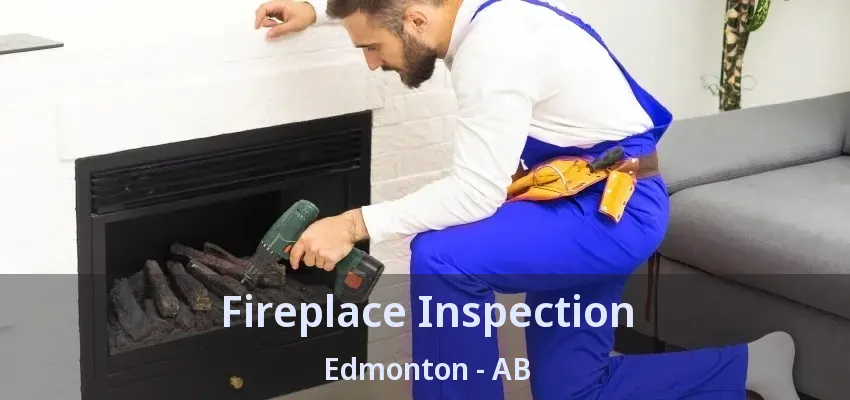
What is checked when a wood-burning fireplace is inspected?
A fireplace inspection checks every accessible part of the system for damage, blockages and unsafe setup. That usually covers the firebox, firebrick and mortar, the damper, the smoke chamber, the visible flue liner, the hearth and the area around the opening, plus the chimney exterior, crown and cap. The technician also looks at how close mantels and wood trim sit to the opening and whether the hearth in front extends far enough. A camera often helps with hidden parts of the flue. You should receive clear findings, ideally with photos, that separate urgent issues from items to watch.
What affects the cost of cleaning and servicing a fireplace or stove?
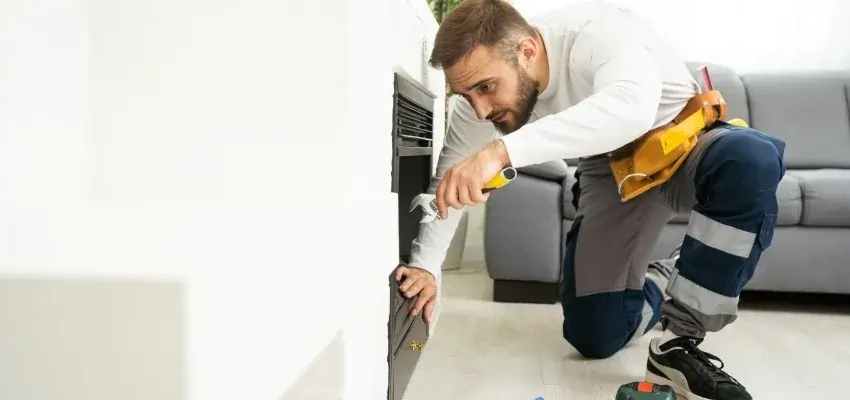
The cost depends mainly on how much work the visit involves and how hard the chimney is to reach. Key factors include the height of the chimney and the pitch of the roof, the number of flues, how much creosote has built up and whether it has glazed, and whether the visit includes an inspection or a camera scan. Stoves with pipe to take apart and older fireplaces with rough smoke chambers can add time. Repairs and parts are normally quoted separately. A written quote that lists what is included makes it easier to compare companies fairly.
How much time does a standard inspection of the fireplace take?
A standard fireplace inspection usually takes under an hour for a single fireplace, sometimes less when the system is clean and easy to reach. More time is needed when the technician runs a camera through the full flue, checks the attic or roof, or has several flues to look at. A detailed inspection for a home sale or after a chimney fire can take noticeably longer, since every accessible section is documented. Allow some extra minutes at the end to go through the findings and photos, which is the part of the visit most worth your attention.
Do you need to clean your fireplace before it is serviced?
Leave it largely as it is, apart from unburned logs and decorative pieces. We actually prefer to see the firebox before anyone tidies it, because what lies on the floor tells a story: black flakes suggest creosote breaking loose above, mortar crumbs point to joint wear and gritty debris can mean a crown or cap problem. Shoveling out warm ash is the one thing to avoid, since embers can survive in an ash bed for days. If the pile is overflowing and stone cold, removing some of it is perfectly fine.
How do you safely clean ashes out of a fireplace or stove?
Remove ashes only when they are completely cold, using a metal shovel and a metal container with a tight lid. Ashes can hide live embers for several days, so wait well after the last fire and stir them gently to check for warmth. Set the closed container outside on a non-combustible surface, away from the house, decks and anything that burns, and never put ashes in a paper bag, plastic bin or household vacuum. In an open fireplace, a thin bed of ash can help the next fire, while stoves need more regular emptying so air can reach the coals.
Not sure what to do about your fireplace?
That is a common place to start. A short conversation usually sorts out what kind of visit makes sense, from a focused check to a full service. Reach Gas Fireplace Edmonton at (587) 853-6668 and we will give you a straight answer for your home in Edmonton.
