

































Buying a house with a fireplace or wood stove, or finally deciding to use one that has sat cold for years, raises a lot of questions at once. Homeowners in Edmonton who type “fireplace inspections” are often in exactly that spot. The answers that follow walk through fireplace inspection step by step, so you know what to ask, what to expect from a visit and when it is safe to enjoy a fire again.
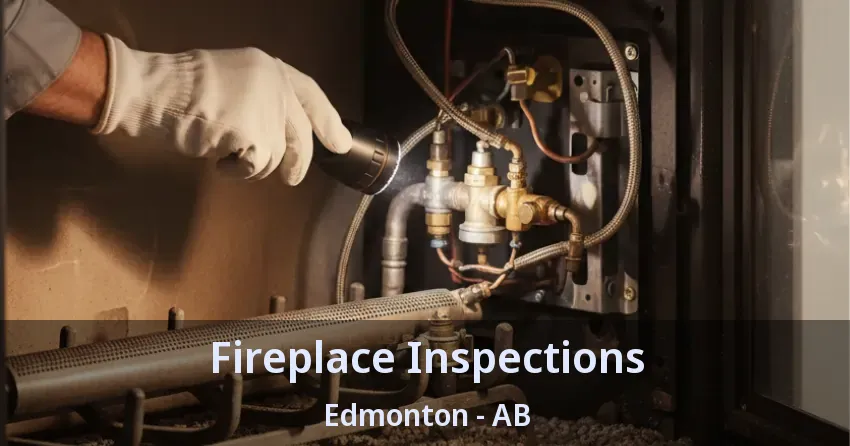
Is a chimney inspection the same as a chimney cleaning?
They are two different jobs, and we usually do them in the same visit. Sweeping is physical work: brushes and a vacuum clear the flue and everything between it and the fire until the surfaces are clean. Inspecting is looking and judging: we check for cracked flue tiles or firebrick, open mortar joints, a damper that no longer seals, a missing cap and combustible trim sitting too close to the heat. Doing both at once makes sense, because a freshly brushed flue reveals defects that a coated one conceals. The inspection notes are what tell you whether the fireplace is ready for the season.
Is it safe to use a fireplace or stove that has sat unused for years?
It can be, but only after a proper inspection and cleaning. A fireplace or stove that sits idle for years often collects things that make the first fire risky: bird or animal nests, leaves, fallen debris and old creosote in the flue, rust on the damper and cracks that formed as the masonry went through many seasons of heat and cold. Water may also have damaged the cap or crown. Have a technician inspect and clean the system, test the damper and look up the full flue before you light anything, so the first fire back is pleasant rather than smoky.
How often should your fireplace be inspected?
We suggest a yearly inspection plus a few event-based ones. The yearly visit catches slow changes: mortar wear, creosote creeping up, a cap that worked loose over the winter. The event-based ones matter more than people expect. A home purchase tops the list, since sellers rarely know the condition of their flue. Chimney fires, lightning, storm damage and renovations near the fireplace come next, because each can crack liners or shift masonry without obvious signs in the room. Before buying, an inspection gives you facts to negotiate with instead of guesses.
What do photos and camera footage add to an inspection?
They turn a verbal opinion into a record you can see, keep and share. Photos of cracked firebrick, a damaged crown or a gap in the flue let you understand the problem without climbing a ladder. Camera footage shows the inside of the flue, where most hidden damage sits. Saved from year to year, those images show whether a crack is growing or stable. They also help when you want a second opinion or need to show a buyer what was repaired. When booking fireplace inspections, ask whether photos come with the report and how they are delivered.
What does a fireplace inspection include?
Clean, sound and set up correctly: those are the three verdicts a fireplace inspection should reach. Clean means the level of creosote in the flue and smoke chamber. Sound means the firebrick, mortar, damper, liner, crown and cap are intact, with no cracks or gaps that let heat or smoke escape. Set up correctly covers clearances to mantels, trim and framing, a hearth extension that protects enough floor and a cap that keeps rain and animals out. Where we cannot see, a camera goes up the flue. The report puts each finding in plain terms, with photos.
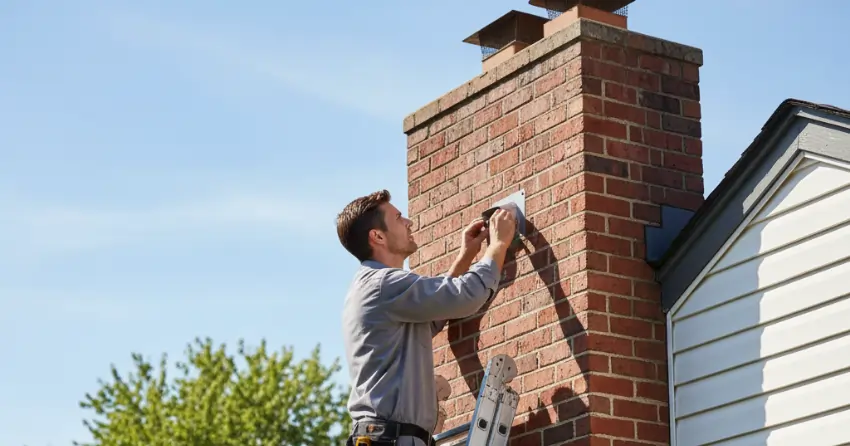
How often do homes in Edmonton need their chimneys swept?
A common guideline is to have the chimney inspected once a year and swept whenever buildup calls for it, which for many households also works out to about once a year. Homes that burn a fire most evenings through the colder months may need a sweep more often, sometimes partway through the season, while a fireplace used a few times a year may go longer between cleanings. Wood stoves used as a main heat source tend to build up creosote faster. Damp wood, smoldering fires and cold outside chimneys all shorten the interval, so let the yearly check guide the schedule.
What does it mean when a fireplace fails its inspection?
If a fireplace does not pass an inspection, the technician has found something to fix before the next fire, and the report should say exactly what. Findings usually fall into three groups: issues that make the fireplace unsafe to use now, repairs to plan soon and items to watch. Stop using the fireplace for anything in the first group, such as cracked flue tiles, gaps in the firebox or a blocked chimney. Ask for photos, a written description and a repair quote for each item, and get a second opinion on major work if you want one.
Should the company that inspects your fireplace also do the repairs?
It can work well, as long as the findings are backed by evidence. A company that inspects and repairs already knows your fireplace, which saves time. The concern some homeowners have is a conflict of interest, and the answer is documentation: photos, camera footage and a written explanation of each problem. With those in hand, you can hire the same company, get a second quote or ask another technician to confirm. Good fireplace inspections should leave you free to choose who does the work, with no pressure to decide during the visit.
What are the advantages of local service for your fireplace?
Local knowledge is the main reason: after enough visits in one area, we know its chimneys almost by heart. We learn which subdivisions have factory-built fireplaces from the same period, which older streets have unlined masonry flues and how local freezes, heat waves or storms treat crowns and caps. That background makes quotes more accurate and visits quicker. It also means Gas Fireplace Edmonton is close by if something comes up later or you want a second look. For homeowners in Edmonton, that familiarity usually saves time on the first visit and every one after it.
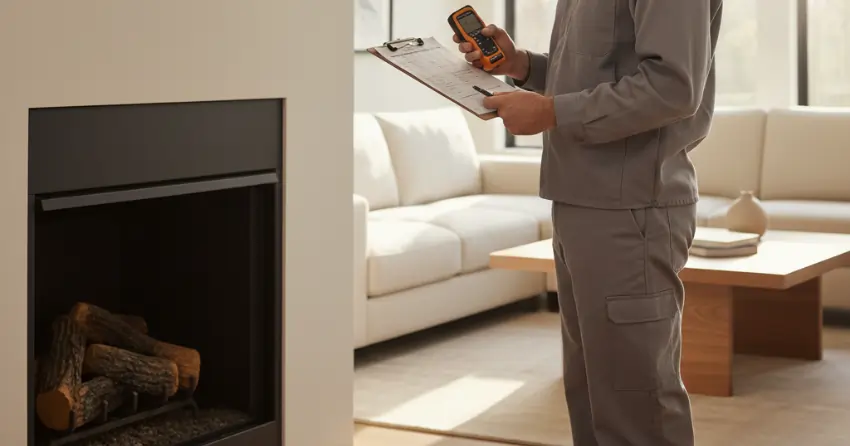
Living in an older home in Edmonton?
Older homes often hide earlier repairs, odd layouts and materials that need a careful approach. Our technicians take the time to see how earlier work on your fireplace was done before recommending anything. Call (587) 853-6668 to talk about your home.
