































Plenty of people around Edmonton inherit a fireplace or wood stove along with a house and have no idea when anyone last looked at it. Typing “fireplace maintenance” into a search bar is a sensible first move. The questions below are the ones homeowners raise most often about fireplace maintenance, answered in plain language and with the reasoning behind each answer, so you can judge what applies to your home and what does not.
Is regular service on a wood-burning fireplace or stove really necessary?
Regular care catches problems that build slowly and out of sight, and a fireplace that has gone years without a visit shows exactly that pattern. The flue carries a crust of creosote, the cap is clogged with leaves or missing, and joints in the firebox have eroded from repeated heating. None of it happened overnight, and most of it would have been a simple fix earlier on. Neglect also hides things like a cracked flue tile or a rusted damper, which only show up when someone looks. Routine service is really about knowing the condition of a system you trust with an open flame indoors.
Why does the house smell like a campfire in summer?
A fireplace or stove usually smells when it is not in use because creosote and soot in the flue give off odor, especially in humid weather. Moist summer air reacts with those deposits and makes the smell stronger, and rain coming down an uncapped chimney adds a damp, musty note. The house can make it worse: kitchen and bathroom fans or a running dryer can pull air down the chimney and into the room. A sweep removes most of the source, a cap keeps rain out and a tightly closing damper cuts the downdraft. A sharp, rotten smell is different and can mean an animal in the flue.
When is it time to have the chimney swept?
A fireplace or stove needs cleaning when the flue turns matte black and furry with deposits, or when fires start losing their pull. We judge it by thickness and texture, but homeowners can spot the effects from the hearth. Fires get lazy, drafts weaken and the room picks up a stale smell between uses. In stoves, the glass blackens faster and the baffle collects a crust. Heavy users often reach that point before the season ends, while occasional users may go a full year or more. When in doubt, a quick inspection settles it without guesswork.
What steps go into cleaning your fireplace properly?
A sweep cleans the whole smoke path, and we work from the fire upward and from the room outward. First the hearth and nearby floor are covered, then a high-suction vacuum goes on, keeping the room under slight negative pressure so soot is drawn toward our equipment instead of drifting out. Brushing comes after that: rotary or wire brushes sized to the flue, pushed through in sections until the walls are clear. The smoke shelf behind the damper is where loose debris piles up, so it gets cleaned by hand. We finish by checking the damper seal, looking at the cap and showing the homeowner photos of anything worth discussing.
How long should you plan for a technician to work on your fireplace?
A routine cleaning or inspection usually takes about one to two hours, and a combined sweep and inspection can run a little longer. Time depends on how much creosote has built up, how tall the chimney is, whether the roof has to be accessed and whether a stovepipe must come apart. Glazed deposits and any small repairs agreed on during the visit add time, while larger masonry work is normally scheduled separately. Plan to be home for the whole visit and allow a few minutes at the end to go over the findings. Describing your setup when booking helps the company estimate the time.
Does regular upkeep cost less than waiting for repairs?
In most cases it does, because the expensive fireplace problems usually grow out of small ones left alone. A cap that costs little to replace keeps water out of the damper, the smoke chamber and the mortar joints. A sweep that removes creosote reduces the chance of a chimney fire that can crack a flue. Loose firebrick reset early avoids a full firebox rebuild later. Routine fireplace maintenance will not stop every repair, but it spreads costs out, gives you warning and keeps the big projects rarer.
What kind of firewood keeps a fireplace or stove burning cleanly?
Thoroughly dry wood is what keeps a fireplace or stove burning cleanly, and dryness affects buildup more than anything else a homeowner controls. When we find heavy, tarry creosote, our first question is about the woodpile. Freshly cut logs hold a lot of water, and all of it has to steam off before the wood really burns, cooling the fire and sending sooty smoke up the flue. Species matters less than people assume; dry pine burns cleaner than wet oak. Buying wood early in the year, or checking it with a moisture meter before it goes into the fireplace, keeps sweeps light.
Is a do-it-yourself chimney brush kit enough?
You can keep things tidy between visits, but the flue is where do-it-yourself efforts fall short. We regularly find chimneys that were brushed from below with a kit that missed the smoke shelf, pushed debris onto a closed damper or knocked soot loose without anyone noticing a cracked tile. Any work on the liner or masonry belongs with a professional. A sensible split is simple: ashes, glass, alarms and firewood are yours; sweeping, inspection and anything structural go to a technician. That division keeps you safe and puts experienced eyes on the parts that matter.
How do you look after fireplace glass doors and screens?
Clean glass doors only when they are completely cool, using a cleaner made for fireplace glass and a soft cloth, since abrasive pads scratch the surface. Check that the doors open, close and latch smoothly and that the frame is not sagging or separating from the opening. Follow the door maker’s guidance on whether the doors should be open or closed while a fire burns, because some glass is not meant to face a roaring fire with the doors shut. Inspect mesh screens for tears or gaps that could let sparks through, and replace damaged ones before the next fire.
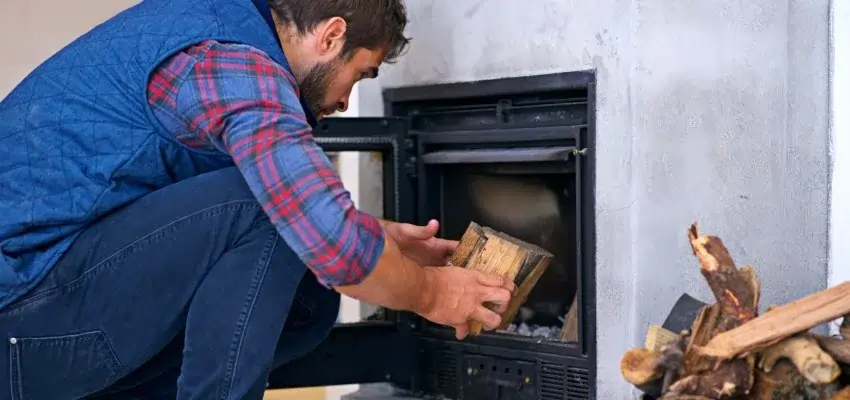
Keeping fireplace maintenance simple
No jargon, no surprise add-ons and no long sales pitch. We explain what the work on your fireplace involves, what it costs and how long it takes, then you decide. Call (587) 853-6668 to talk it over with Gas Fireplace Edmonton.
