































Knowing a little about how your fireplace works makes every conversation with a technician easier. Why does creosote form? Which parts wear out? What is worth fixing now? Those threads run through this page, written for homeowners in Edmonton who searched for “fireplace repairman” and prefer to understand fireplace repair before deciding anything. Read it as a reference, whether or not you end up booking a visit.
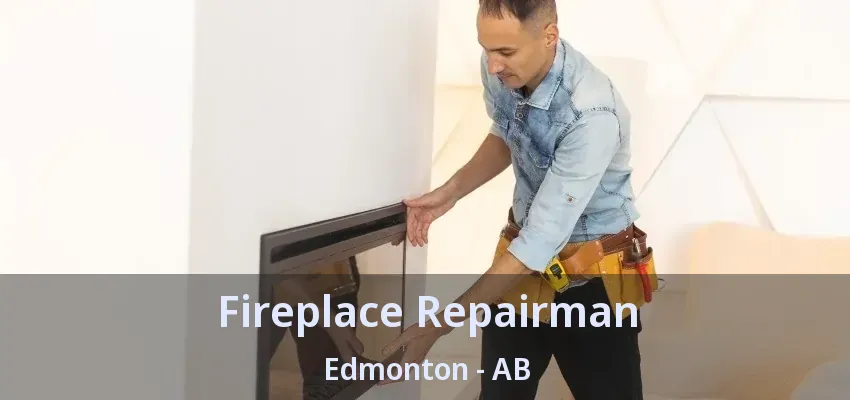
What causes a smoky odor from your fireplace in warm weather?
Odor in warm months is one of the most common calls we get, and the cause is nearly always creosote reacting with humidity. Those deposits absorb moisture and release a stale campfire smell, which drifts indoors whenever the house draws air down the flue. We clean the flue to remove the source, check whether the damper seals and look at the cap, since rain soaking into soot makes things noticeably worse. In homes around Edmonton where the problem keeps returning, a top-sealing damper that closes at the very top of the chimney is often the change that settles it.
How are cracked fireplace tiles repaired?
Cracked fireplace tiles are usually repaired by removing the damaged tile and grout, preparing the base and setting a new tile with heat-resistant adhesive and grout. Tiles crack from repeated heating and cooling, a hearth that has settled, a weak base underneath or something heavy dropped on them. Hearth tiles in front of the opening protect the floor from embers and heat, so cracks there deserve prompt attention. Matching older tiles can be tricky; when an exact match is not available, some homeowners retile the whole hearth or surround. Finding the cause first helps the new tile last.
What tools and materials does a fireplace repairman bring?
Expect masonry tools, heat-rated materials and equipment to keep the work clean. For firebox repairs, that means chisels, trowels, refractory mortar and firebrick, plus a grinder or saw fitted with dust collection. Damper work calls for replacement parts or a top-mounted damper and cable. Lights, mirrors and a camera help with hidden areas, and drop cloths, plastic sheeting and a vacuum protect the room. On the roof, ladders, harnesses and crown materials come along. The exact kit depends on what was reported when booking, so describe the problem in detail.
What repairs do wood-burning fireplaces need most often?
The repairs wood-burning fireplaces need most often are replacing damaged firebrick, repointing worn mortar joints, fixing or replacing the damper and repairing the chimney cap or crown. Firebrick cracks and joints erode after many fires, which can let heat reach the surrounding structure. Throat dampers rust, warp or seize, and many are replaced with a damper mounted at the top of the chimney. Caps blow off, and crowns crack and let water in. Hearth tiles, glass doors and screens need attention now and then as well. Most of these jobs are fixed in a single visit.
How long will your fireplace be out of use after repairs?
Most fireplace repairs take from a few hours to a full day of work, while bigger jobs such as a firebox rebuild or major chimney work can stretch over several days. The schedule also depends on dry weather for anything done on the roof, on how quickly specific parts or matching materials can be found, and on cure time for mortar. Masonry repairs usually need a waiting period before the first fire, so the fireplace may be out of use a little longer than the work itself. Booking repairs outside the burning season keeps that downtime out of the way.
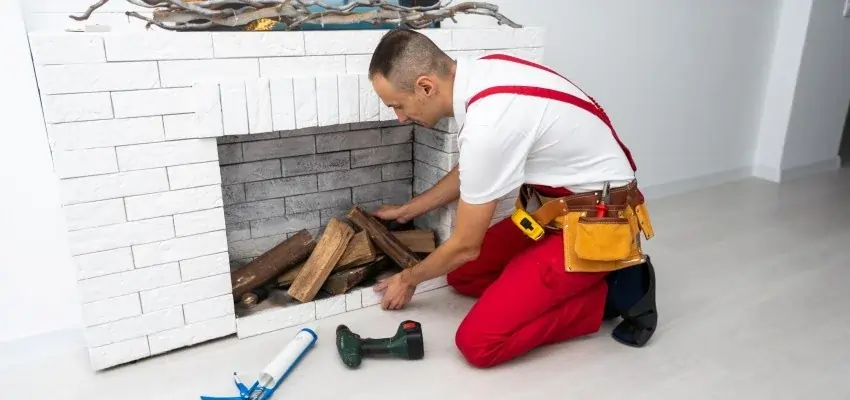
Can you clean a fireplace or stove yourself?
You can keep things tidy between visits, but the flue is where do-it-yourself efforts fall short. We regularly find chimneys that were brushed from below with a kit that missed the smoke shelf, pushed debris onto a closed damper or knocked soot loose without anyone noticing a cracked tile. Any work on the liner or masonry belongs with a professional. A sensible split is simple: ashes, glass, alarms and firewood are yours; sweeping, inspection and anything structural go to a technician. That division keeps you safe and puts experienced eyes on the parts that matter.
What should a repairman explain before starting work on a fireplace?
Before any work begins, you should hear what is wrong, what caused it, how it will be fixed and what you need to do afterward. That includes the materials being used, roughly how long the job will take and how long to wait before the next fire. A good repairman points out the damage, ideally with photos, and separates the urgent from the optional. If you found someone by searching for “fireplace repairman”, use this conversation as a test: clear, patient answers usually mean careful work, while vague ones are worth questioning.
How do you choose a company to work on your fireplace or stove?
Look for a company that explains its thinking and backs it with evidence; that is what we would want from anyone working on our own homes. A team that knows the work asks what kind of appliance you have, how you use it and what you have noticed. On the visit, it shows you the inside of the flue rather than handing down a verdict, and it tells you plainly when something can wait. Careful setup and clean-up say a lot about the rest of the job. Scare tactics are a red flag, because a real problem can be shown in a photo and explained calmly.
Should you choose a fireplace company that works around Edmonton?
A nearby company is often the practical choice because it already knows how chimneys in your area were built and how local weather treats them. Houses from the same era and builder tend to share fireplace designs, flue sizes and weak spots, so a technician who works close by has probably seen your setup many times. Scheduling is simpler, and so is follow-up if you have a question or need a repair after the first visit. Before booking, confirm that the company does the work with its own team rather than passing it on, and ask which areas it covers.
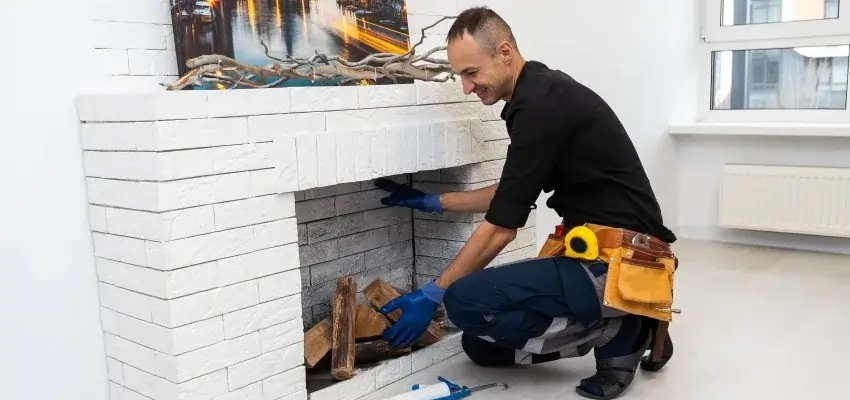
Booking fireplace repair for the first time?
If you have never had this done before, it helps to know what to expect. We walk you through the visit, how long it usually takes and what you will see when we finish. Start with a quote and ask us anything along the way.
