






























Most of what homeowners ask about wood fires comes down to three worries: is it safe, is it working properly and what will it take to fix? This page tackles all three for households in Edmonton. If you arrived by searching for “fireplace sweeper”, you will find fireplace sweeping explained without jargon, with notes on what changes from one home to the next and which checks need no ladder or tools.
Is the chimney part of cleaning your fireplace, or only the firebox?
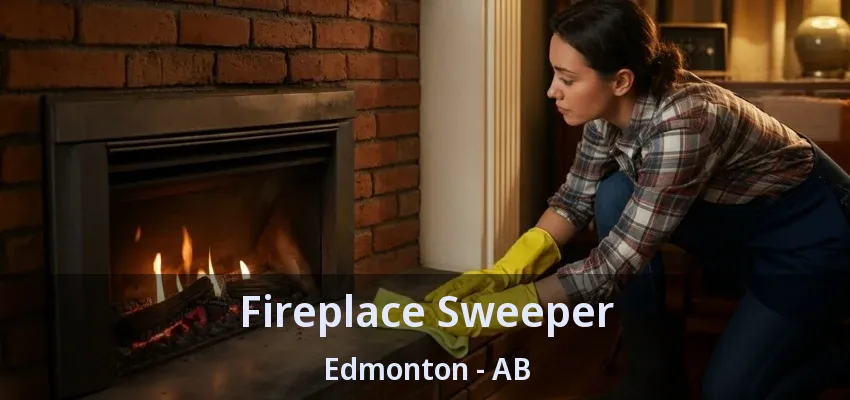
A proper cleaning includes the chimney, because that is where most of the soot and creosote collects. The firebox or stove interior is cleared of ash and loose debris, but the main work happens in the flue above it, along with the smoke chamber of a fireplace or the pipe that connects a stove. Some quick-clean offers stop at the visible parts, so ask what is included before booking. A complete job also looks at the cap at the top, works the damper and finishes with a vacuumed hearth, so the whole path the smoke travels has been covered.
When is it time to have the chimney swept?
A fireplace or stove needs cleaning when the flue turns matte black and furry with deposits, or when fires start losing their pull. We judge it by thickness and texture, but homeowners can spot the effects from the hearth. Fires get lazy, drafts weaken and the room picks up a stale smell between uses. In stoves, the glass blackens faster and the baffle collects a crust. Heavy users often reach that point before the season ends, while occasional users may go a full year or more. When in doubt, a quick inspection settles it without guesswork.
How is a chimney with a cap or spark screen swept?
The cap is either removed so the flue can be swept from the top, or left in place while the flue is swept from below. Many caps include a mesh spark screen that clogs with soot and creosote over time, so it is cleaned or replaced during the visit. A clogged screen slows the draft and can cause smoke in the room, even when the flue itself is clean. Caps are refitted firmly afterward, since a loose one can blow off in a storm. Ask the technician to mention the condition of yours in the notes.
How is a smoky odor from a chimney taken care of?
We take care of the smell by removing its source first and then cutting off its path indoors. Cleaning removes most of the odor-producing deposits, including the sticky layer that builds up on the smoke shelf or behind a stove baffle. Then we look at why air is flowing down the chimney: a damper that does not seal, a missing cap letting rain soak the soot, or a house pulling air through exhaust fans. Fixes range from a new damper gasket to a top-sealing damper or a cap. Odor that survives all that sometimes comes from deposits soaked into the masonry, which may call for a deodorizing product applied by the technician.
How is soot kept out of the living room during a sweep?
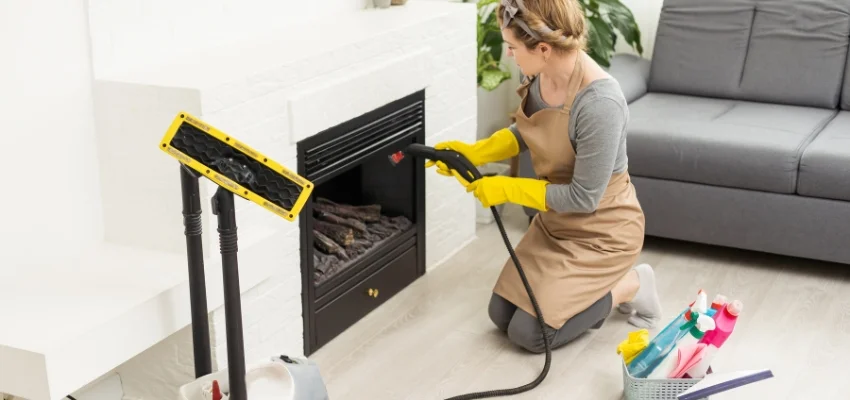
Very little soot should reach the room when the job is set up correctly. Soot is very fine and rides the slightest air current, so our setup is built around containment. Covers go down first, the opening is sealed, and a vacuum with fine filtration runs throughout, pulling air toward the equipment. Brushing loosens the deposits, which fall into the firebox to be collected rather than scattered. The messiest moments are usually dismantling a stovepipe or reaching past a stubborn damper, and we slow down there. Before packing up, we vacuum the hearth and check the floor around it.
Do you need to be home while the sweeper works?
Someone usually needs to be home, at least at the start and the end of the visit. The technician needs access to the fireplace, and you will want to hear the findings and see any photos before they leave. If you cannot stay the whole time, arrange for a trusted adult to let the fireplace sweeper in and walk through the results with you later. Roof-only work can sometimes happen without anyone inside, but the firebox and smoke chamber need indoor access. Let the company know your plans when booking so they can schedule accordingly.
Should you clean out the ashes before the technician arrives?
Leave it largely as it is, apart from unburned logs and decorative pieces. We actually prefer to see the firebox before anyone tidies it, because what lies on the floor tells a story: black flakes suggest creosote breaking loose above, mortar crumbs point to joint wear and gritty debris can mean a crown or cap problem. Shoveling out warm ash is the one thing to avoid, since embers can survive in an ash bed for days. If the pile is overflowing and stone cold, removing some of it is perfectly fine.
What is the safe way to empty ashes from your fireplace?
Ashes are cleaned out safely by waiting until they are cold, scooping them into a lidded metal bucket and taking that bucket straight outside. Cold ash only, every time; any warmth deep in the pile means it waits. Once outside, the bucket belongs on bare ground or concrete, where a surviving ember can do no harm. We have seen ash buckets left on wooden decks and in garages, which is exactly where they should not be. Daily stove users may empty the pan every day or two, and ash vacuums made for the job are an option once everything is fully cold.
How do you find a dependable fireplace and chimney service in Edmonton?
Look for a company that explains its thinking and backs it with evidence; that is what we would want from anyone working on our own homes. A team that knows the work asks what kind of appliance you have, how you use it and what you have noticed. On the visit, it shows you the inside of the flue rather than handing down a verdict, and it tells you plainly when something can wait. Careful setup and clean-up say a lot about the rest of the job. Scare tactics are a red flag, because a real problem can be shown in a photo and explained calmly.
Handle it in one visit
When we know what to expect, we can usually plan everything for a single appointment. Share a few details about your home and your fireplace ahead of time. Plan fireplace sweeping with Gas Fireplace Edmonton and keep the disruption small.
