
































Knowing a little about how your fireplace works makes every conversation with a technician easier. Why does creosote form? Which parts wear out? What is worth fixing now? Those threads run through this page, written for homeowners in Edmonton who searched for “fireplace tune up” and prefer to understand fireplace tune-up before deciding anything. Read it as a reference, whether or not you end up booking a visit.
Does your fireplace need cleaning, an inspection or both?
A sweep removes soot and creosote, while an inspection checks the condition of the fireplace or stove and the chimney it vents into. Cleaning tells you how much buildup there was; an inspection tells you whether everything is sound and set up correctly. Many homeowners book both together, because a clean flue is easier to examine and the technician can spot cracks, gaps or worn parts that the deposits were hiding. If you can only schedule one, start with an inspection, since it shows whether a sweep or a repair is needed at all.
What is a tune-up for a wood-burning fireplace?
A tune-up is a routine visit that gets a wood-burning fireplace ready for regular use. It typically combines a sweep of the flue, an inspection of the firebox, damper, cap and crown, and small adjustments to parts that wear, such as door latches, screens and damper handles. Unlike a gas appliance tune-up, there are no burners or valves to adjust, so the focus is on cleanliness, draft and the condition of the masonry. People searching for “fireplace tune up” usually want exactly this kind of once-a-year check before the burning season.
Can you light a fire after years without using the fireplace or stove?
It can be, but only after a proper inspection and cleaning. A fireplace or stove that sits idle for years often collects things that make the first fire risky: bird or animal nests, leaves, fallen debris and old creosote in the flue, rust on the damper and cracks that formed as the masonry went through many seasons of heat and cold. Water may also have damaged the cap or crown. Have a technician inspect and clean the system, test the damper and look up the full flue before you light anything, so the first fire back is pleasant rather than smoky.
What signs mean your fireplace is due for a sweep?
You know it is time when the flue shows visible buildup or the fire starts behaving differently. With everything cold, shine a flashlight up past the open damper or into the stove outlet: a layer of soot or creosote that you can scrape with a poker is a common sign. Other clues include fires that are harder to start or keep going, smoke lingering in the room, a strong smoky smell, black flakes falling onto the hearth and stove glass that darkens quickly. If nobody remembers the last cleaning, that alone is a good reason to book one.
Does the season matter for your fireplace?
The season matters mostly for scheduling: late spring and summer are often the easiest times to book, because demand is lower and any repairs can be finished well before you need a fire. Many homeowners still schedule in early fall as a pre-season check, and that works too, although calendars fill quickly once the weather cools. Booking soon after the burning season ends has a bonus: deposits come out before humid weather turns them into odors. If something already seems wrong, book when it suits you rather than holding out for a particular month.
Do you need to clean your fireplace before it is serviced?
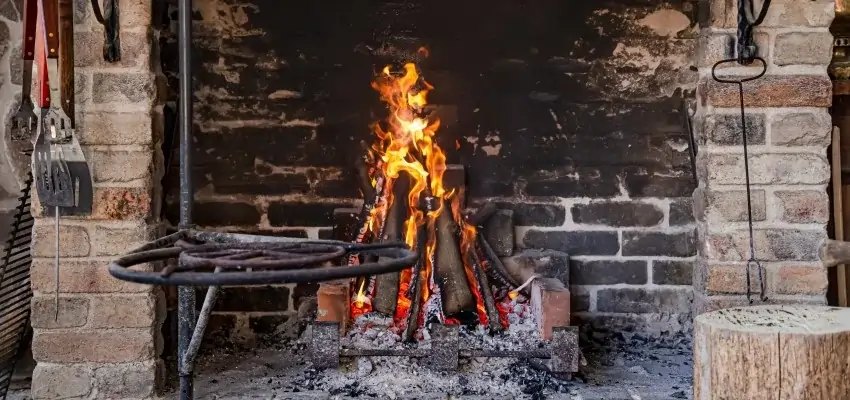
Leave it largely as it is, apart from unburned logs and decorative pieces. We actually prefer to see the firebox before anyone tidies it, because what lies on the floor tells a story: black flakes suggest creosote breaking loose above, mortar crumbs point to joint wear and gritty debris can mean a crown or cap problem. Shoveling out warm ash is the one thing to avoid, since embers can survive in an ash bed for days. If the pile is overflowing and stone cold, removing some of it is perfectly fine.
Which small problems does a tune-up catch early?
A tune-up catches the slow changes that turn into repairs if left alone. Typical finds include a hairline crack in a firebox joint, early rust on the damper, a loose cap screw, a worn gasket on glass doors, a few stray mortar crumbs on the smoke shelf and signs that a bird or squirrel has been exploring the flue. Each is quick to handle when found early. Booking a “fireplace tune up” visit at the same time each year makes it easy to compare notes and see whether anything is changing.
Why does damp firewood leave more creosote behind?
Thoroughly dry wood is what keeps a fireplace or stove burning cleanly, and dryness affects buildup more than anything else a homeowner controls. When we find heavy, tarry creosote, our first question is about the woodpile. Freshly cut logs hold a lot of water, and all of it has to steam off before the wood really burns, cooling the fire and sending sooty smoke up the flue. Species matters less than people assume; dry pine burns cleaner than wet oak. Buying wood early in the year, or checking it with a moisture meter before it goes into the fireplace, keeps sweeps light.
Can you clean a fireplace or stove yourself?
Everyday upkeep is a homeowner job, but sweeping and inspecting the chimney are better left to a professional. Safe tasks include removing cold ashes, cleaning glass doors with a product made for fireplace or stove glass, keeping the hearth area clear, checking that the damper opens and closes and testing smoke and carbon monoxide alarms. Brush kits are sold, but they cannot tell you whether the liner is cracked, the smoke chamber is coated or the cap is damaged, and climbing onto a roof brings its own risk. A professional visit includes a look at the parts you cannot see.
Leave with a written summary
After the visit you get a short summary of what we found, what we did and anything worth planning for later. It makes future decisions about your fireplace much easier. Book with Gas Fireplace Edmonton and keep it on file.
