

































Before the next fire, it helps to know what is happening above the flames. Every load of wood leaves a little residue in the chimney, and every season of heating and cooling tests the mortar, metal and seals that keep smoke where it belongs. People in Edmonton who look up “fix fireplace” usually want to know whether their own fireplace needs attention. The answers on this page explain fireplace repair plainly, without scare tactics.
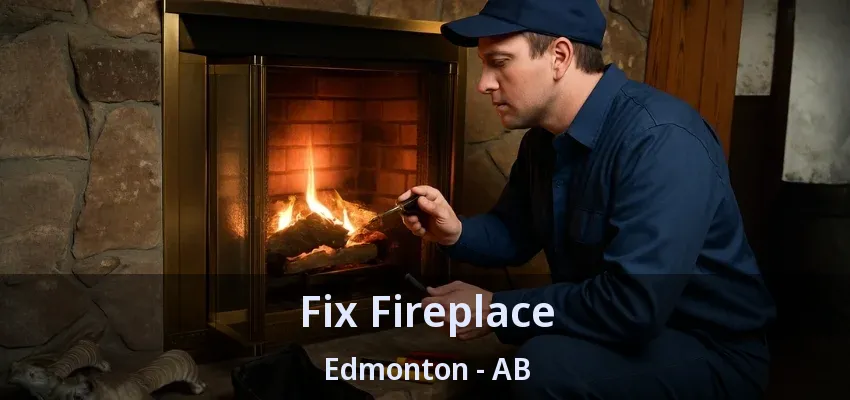
What should you do first when a fireplace stops working properly?
Stop using it, note what is happening and check the simple things before calling for help. Make sure the damper is fully open and that nothing obvious, such as a fallen brick or debris, sits in the firebox. Think about recent changes: new windows, a powerful range hood or a stretch of wet weather can all affect the draft. Write down when the problem appears and what it looks like, then book a technician and share those notes. If you are searching for “fix fireplace”, that short record will make the first visit far more productive.
What are the signs a fireplace needs repair?
The signs that matter most are small physical changes: a brick that wobbles, crumbs of mortar on the hearth, a damper that needs a shove or a stain where none used to be. When homeowners call about one of those, we usually find it connects to something larger, such as rain entering through a cracked crown or heat slowly eating at the joints of the back wall. Gaps in the firebox matter most, since they can let heat reach the framing behind the masonry. Catching these early keeps the fix to a patch rather than a rebuild.
Which parts of your fireplace usually need repair first?
The list of usual repairs is short and fairly predictable, and each item has a standard fix. Inside the firebox, we replace firebrick that has cracked or spalled and repoint joints where mortar has burned away, always with heat-rated refractory materials. At the throat, we free up or replace dampers that have rusted shut or no longer seal. Up top, we refit missing caps and patch cracked crowns before water does more damage. We also see loose hearth tiles, sagging glass door frames and smoke chamber walls too rough to clean properly. Each repair is small on its own; trouble comes from letting several pile up.
How often should a wood-burning fireplace or stove be swept?
A common guideline is to have the chimney inspected once a year and swept whenever buildup calls for it, which for many households also works out to about once a year. Homes that burn a fire most evenings through the colder months may need a sweep more often, sometimes partway through the season, while a fireplace used a few times a year may go longer between cleanings. Wood stoves used as a main heat source tend to build up creosote faster. Damp wood, smoldering fires and cold outside chimneys all shorten the interval, so let the yearly check guide the schedule.
How long do fireplace repairs take?
Most fireplace repairs take from a few hours to a full day of work, while bigger jobs such as a firebox rebuild or major chimney work can stretch over several days. The schedule also depends on dry weather for anything done on the roof, on how quickly specific parts or matching materials can be found, and on cure time for mortar. Masonry repairs usually need a waiting period before the first fire, so the fireplace may be out of use a little longer than the work itself. Booking repairs outside the burning season keeps that downtime out of the way.
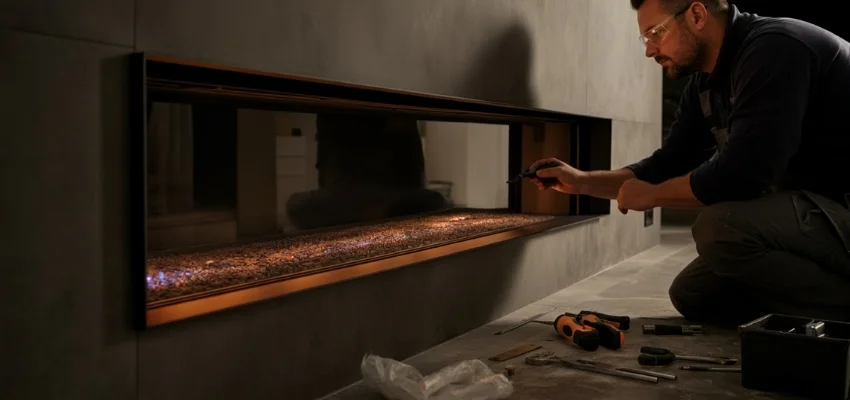
Does the technician need to go on the roof?
Many chimneys can be cleaned from inside, through the fireplace opening or stove, but a complete job often includes a look from the roof as well. Working from below with flexible rods handles plenty of flues, especially with a vacuum holding the dust back. The roof is where the cap, crown, flue top and outside masonry can be checked, and some caps or tight bends make cleaning from the top easier. Technicians only go up when weather and roof conditions allow it safely. Mention steep pitches, fragile roofing or tight ladder space when you book.
Which fireplace problems can a homeowner safely handle?
Homeowners can safely handle cleaning, small hardware and anything that does not involve masonry, the flue or the chimney top. That includes removing cold ashes, cleaning soot from glass doors, replacing a torn mesh screen, tightening a loose door handle when the fireplace is cold and working a sticky damper gently open and closed. Firebox repairs, damper replacement, flue work and anything on the roof belong with a technician, since mistakes there can hide heat or smoke hazards. When in doubt, ask before you try a fix yourself.
How soon can you use a fireplace or stove after repairs?
It varies with the material, and we give every customer a specific answer before we leave. Mortar holds moisture after it is laid, and a roaring fire drives that water out too fast, which can crack fresh joints or pop new firebrick. That is why we suggest waiting through the full cure period and then building a few small, short fires to bring everything up to temperature gradually. Stove repairs follow the same idea on a smaller scale: a new rope gasket, for example, settles in over a couple of gentle burns. Caps, screens and dampers can be used immediately.
When is a second opinion on a big repair worth getting?
Evidence is how you tell: a repair that is truly needed can be shown in photos or footage and explained in plain words. We never mind being the second opinion, and we are happy when homeowners get one on our own quotes. A solid quote breaks the job into steps, lists materials and says what happens if more damage turns up once work begins. When a recommendation feels like a lot, ask what would happen if you waited a season. A straight answer to that question, with the risks spelled out, is one of the clearest signs of a trustworthy quote.
Buying or selling a home?
A recent look at the parts of a home buyers ask about can make a sale go more smoothly. We can fit fireplace repair around showings, inspections or move-in dates. Tell us your timeline and we will plan around it.
