






























Moving into a home means inheriting its furnace, air conditioner or mini-split, usually with little idea of how well it was looked after. That uncertainty is a common reason people in Edmonton end up searching for “furnace inspection”. Here you will find practical answers about furnace safety inspection, including what a visit covers, which warning signs deserve attention and how to plan care for equipment you did not choose yourself.
What safety steps matter most with your furnace?
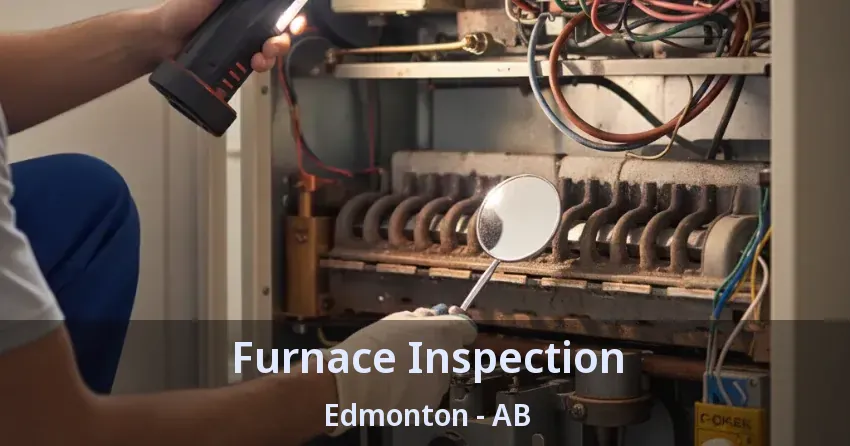
Safety comes from three things working together: clean combustion, an open vent path and alarms that would warn you if either failed. On a yearly check, a qualified gas technician looks at the flame, tests that the safety controls shut the gas off when they should and follows the vent from the furnace to its exit. Cracks in a heat exchanger, a disconnected vent pipe or a blocked intake are the issues that matter most. At home, your part is simple: working carbon monoxide alarms on every level, nothing stored against the furnace and a firm rule that anyone who smells gas leaves first and calls the utility from outside.
What do unusual smells from your furnace mean?
If you smell gas, often described as rotten eggs, leave the home right away with everyone inside and call your gas utility from outside. Do not switch lights, appliances or the thermostat on or off, and do not use a phone until you are outdoors. A dusty, burning smell early in the heating season is usually dust burning off and should fade. A persistent electrical or hot-plastic smell means the furnace should be turned off at the thermostat and checked. A smell like exhaust can mean flue gases are escaping: turn the furnace off, and if anyone feels headachy, dizzy or sick, or an alarm sounds, get everyone outside and call for help. Keep carbon monoxide alarms working, since that gas has no smell.
How is a gas furnace checked for safety?
We look at a furnace as a sequence: power, ignition, flame, venting and airflow. The burners and flame get a close look, since a lazy or lifting flame says something is off. The heat exchanger is inspected as far as the design allows, and the vent pipe is followed to make sure it is sealed, sloped correctly and clear at its exit. Safety switches get tested rather than assumed, and the blower is checked for dust and wear. Where the equipment allows, the air around the furnace is tested for carbon monoxide. Anything worrying is explained in plain terms, along with what it means for using the furnace.
What changes the price of fixing a furnace or AC in Edmonton?
The cost of an HVAC repair depends mainly on which part failed, how long it takes to reach and replace it and whether the part is common or specialized. A small electrical part such as a capacitor, igniter or sensor is very different from a blower motor, circuit board or compressor. Access matters: equipment in a tight attic or crawlspace takes longer. Diagnostic time, after-hours visits and parts that must be ordered can add to the total. Ask for the diagnosis and the price before work begins, and ask whether the diagnostic charge is applied to the repair.
Is a furnace inspection worth it before buying or selling a home?
It often is. A general home inspector looks at the furnace briefly but usually does not test its safety controls, inspect the heat exchanger closely or measure combustion. A dedicated “furnace inspection” gives buyers a clearer picture of the furnace’s condition and remaining life, which helps when negotiating or budgeting. Sellers benefit too, since fixing small issues ahead of time avoids surprises in the buyer’s report. Ask for a written summary with photos, and keep it with the home records. If the furnace is older, the report can also guide a conversation about replacement.
What information speeds up booking a technician in Edmonton?
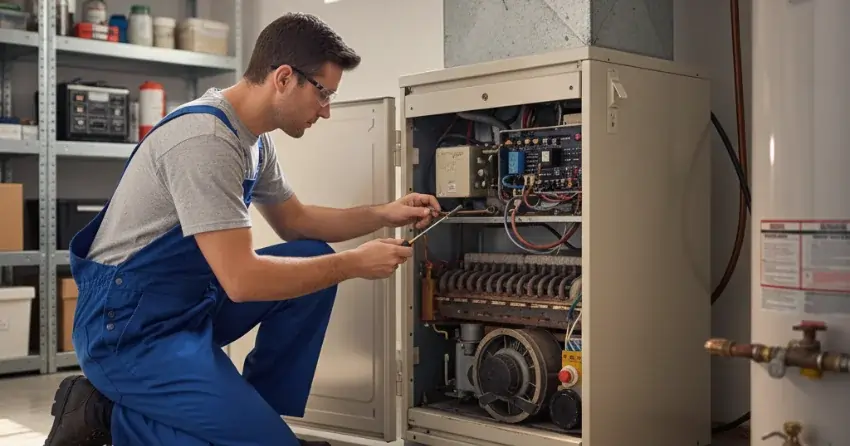
When you book, describe the problem, the type of equipment and how pressing it feels. Say whether it is a furnace, central air conditioner, heat pump or mini-split, whether it runs on gas or electricity and roughly how old it is. Explain the symptom in plain words, such as no heat, weak airflow, water leaking or a noise, and when it started. Mention where the equipment is located and any access issues. If the system is completely down in extreme weather, or someone at home is vulnerable to heat or cold, say so, so the company can plan its schedule accordingly.
How can you look after your furnace between inspections?
Your role is to keep the furnace supplied with clean air and surrounded by nothing that can burn; everything behind the panels belongs to a qualified gas technician. Furnaces boxed in by storage are a common sight, with paint cans and laundry piled against the cabinet, and closets where a louvered door was swapped for a solid one, which can starve the burners of combustion air. Outside, the plastic vent and intake pipes on newer furnaces can be blocked by snow, nests or landscaping. Keep them clear, test the carbon monoxide alarms and change the filter. Never relight, clean or adjust anything near the gas valve or burners.
What happens if an inspection finds a cracked heat exchanger?
The technician should explain it clearly and may switch the furnace off, because a crack can let combustion gases mix with the air circulating through the house. You should be shown the evidence, such as photos or a camera view, and told what it means. The options are usually replacing the heat exchanger, if a part is available and the furnace is otherwise sound, or replacing the furnace. Getting a second opinion is reasonable for a finding this significant. Keep carbon monoxide alarms working, and do not restart a furnace that was shut off for safety during the furnace safety inspection.
How do you find a dependable HVAC technician in Edmonton?
Listen to how they talk about your problem. A technician who knows the work asks questions before quoting, explains the cause in plain language and gives you options rather than a single expensive answer. They are comfortable showing you the failed part or the reading that proves it. For installation work, they measure the house, look at the ductwork and talk about sizing. Pay attention to small things too: a clear arrival window, shoe covers and a tidy work area. Those habits usually go with careful work on the equipment itself, which is the part you cannot easily see.
Want a straight answer about your furnace?
Sometimes the most useful thing is simply knowing whether there is a problem at all. A visit from Gas Fireplace Edmonton gives you that answer, along with practical advice for keeping things in order. Call (587) 853-6668 to set one up.
