






























Your HVAC equipment keeps the house comfortable year after year, but it also deserves respect, especially where gas, electricity and moving parts are all involved. The answers on this page cover what homeowners in Edmonton usually want to know after searching for “furnace not turning on”: how the work is done, which simple checks are safe to do yourself and which jobs belong to a trained technician.
What keeps a gas furnace from becoming a carbon monoxide risk?
A gas furnace stays safe when it burns cleanly, vents its exhaust outdoors and is backed up by working carbon monoxide alarms. Install alarms near bedrooms and on each level of the home, test them regularly and replace them when the maker recommends. Have the furnace checked once a year, including the venting and the heat exchanger. Keep the area around it clear of storage, paint and cleaning products, and never block its air supply openings. If you ever smell gas, leave the home without switching anything on or off and call your gas utility from outside.
Which furnace smells are normal and which are dangerous?
A gas smell comes first, always: everyone out, nothing switched on or off and a call to the gas utility from outside. Beyond that, the smell is a clue. That first-cold-day scent of scorched dust is normal and fades. A sharp electrical odor can mean an overheating motor or wiring, so the furnace should stay off until it is checked. A musty smell often comes from a damp filter or drain pan. A smell like car exhaust is the most worrying after gas, because it can mean flue gases are escaping, which is what carbon monoxide alarms are there to catch. Switch the furnace off, and if anyone feels unwell or an alarm sounds, get the household outside and phone for help.
What stops the burners in your furnace from lighting?
A furnace that will not stay lit is following its safety sequence and stopping on purpose. It runs the inducer fan, checks the vent through a pressure switch, heats the igniter, opens the gas valve and then has a few seconds to prove a flame. If any step fails, it shuts the gas and tries again, often several times before locking out. A dirty flame sensor, a weak igniter, a cracked pressure hose or a vent blocked by a nest or snow are common finds. The blinking status light usually tells us which step failed. Diagnosis and repair belong with a qualified gas technician.
What can you check when your furnace will not start?
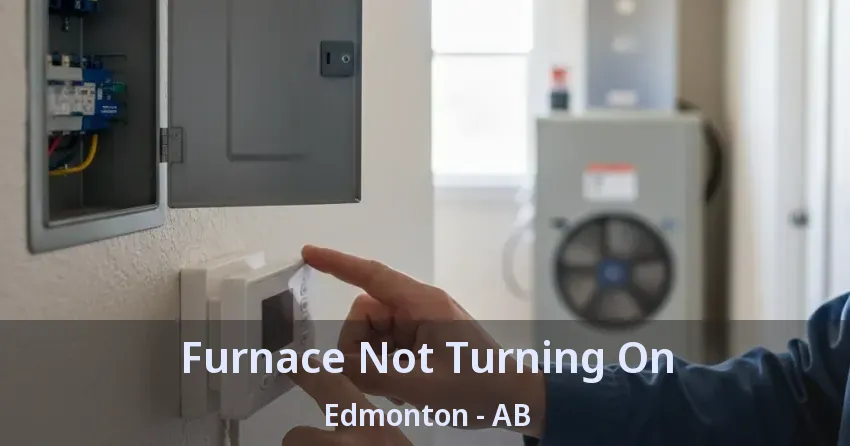
A dead furnace usually falls into one of two groups: no power or signal reaching it, or a furnace that tries and fails. The first group is often settled by the homeowner: a thermostat on cool, a service switch flipped off by mistake, a tripped breaker or a door panel not seated on its safety switch. The second group is ours. A furnace that clicks, hums or starts its fan and then gives up usually has an ignition, flame sensing, pressure switch or limit problem, and many models flash a code on a small light that points us in the right direction. Note that code before you call.
Why won’t the furnace start right after the filter was changed?
A furnace that stops working right after a filter change usually has a simple cause. The blower door may not be fully seated, which leaves its safety switch open; the service switch may have been bumped off; or the filter may be the wrong size, installed backward or blocking the return. Check that the panel clicks firmly into place, the switch is on and the filter fits snugly with its arrow pointing toward the furnace. If it still will not start, that is the point to stop and book a technician. Mentioning the recent filter change when you describe your “furnace not turning on” problem saves time.
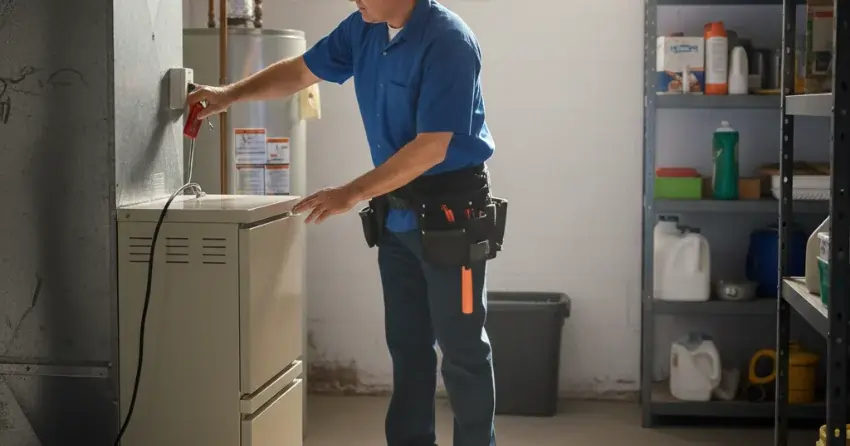
What does a furnace inspection include?
A furnace inspection checks that the furnace lights reliably, burns cleanly, vents safely and moves air properly. The technician typically examines the burners, igniter and flame sensor, inspects the heat exchanger for cracks or corrosion, tests the limit and pressure switches, checks the venting from the furnace to its exit and measures the temperature rise across the furnace. The blower, filter, wiring and thermostat are checked too, and on many visits combustion or carbon monoxide readings are taken. Anything that affects safety should be explained clearly before the technician leaves.
When is it worth repairing your furnace instead of replacing it?
Repair usually makes sense when the equipment is in good overall condition and the fix is modest compared with its remaining life; replacement starts to make sense when major parts fail on older equipment or repairs keep coming. Weigh the age of the system, its repair history, how well it keeps the home comfortable, its energy use and the availability of parts. A cracked heat exchanger or a failed compressor on an old unit often tips the balance. Ask the technician to explain both options in writing, including what each one fixes, so you can decide without pressure.
How can you stay warm safely while the furnace is out?
Hold on to the warmth you have and add heat carefully. Close blinds and curtains at night, shut doors to unused rooms and gather in one room with extra layers and blankets. A space heater made for indoor use can help if you keep it well away from bedding, curtains and furniture and never leave it running unattended. Never use an oven, a grill, a camp stove or a generator to heat the house, since they can produce carbon monoxide. In freezing weather, let faucets on outside walls drip slightly. If you searched “furnace not turning on” and are waiting for a technician, tell the company if anyone at home is vulnerable to the cold.
What furnace care can you safely do between visits?
Between visits you can safely change the filter, keep the area around the furnace clear and watch for warning signs; burners, ignition parts, gas valves and venting must be left to a qualified gas technician. Keep paint, gasoline, cleaning products and laundry well away from the furnace. Make sure air openings in the furnace room are not blocked, and that the outdoor vent and intake pipes, if your furnace has them, are clear of leaves and snow. Test carbon monoxide alarms monthly. Pay attention to new noises, smells or short cycles, and call for service rather than investigating inside the cabinet.
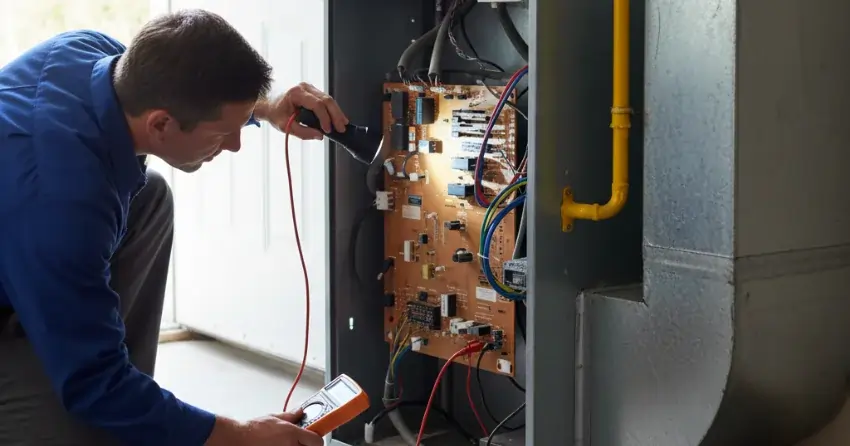
New to Edmonton?
Moving brings a long list of unknowns, and the condition of your furnace is one of them. A visit from Gas Fireplace Edmonton replaces guesswork with a clear picture. Schedule furnace repair as part of settling in.
