































Furnaces, air conditioners and heat pumps attract strong opinions, from neighbors who replace everything early to others who run equipment until it quits. Most homes in Edmonton do well somewhere in the middle, with decisions based on what the system is actually doing. This page answers common questions about furnace repair for anyone who typed “furnace repairs” and wants straight facts before deciding what to do.
Is regular maintenance worth it for HVAC equipment in Edmonton?
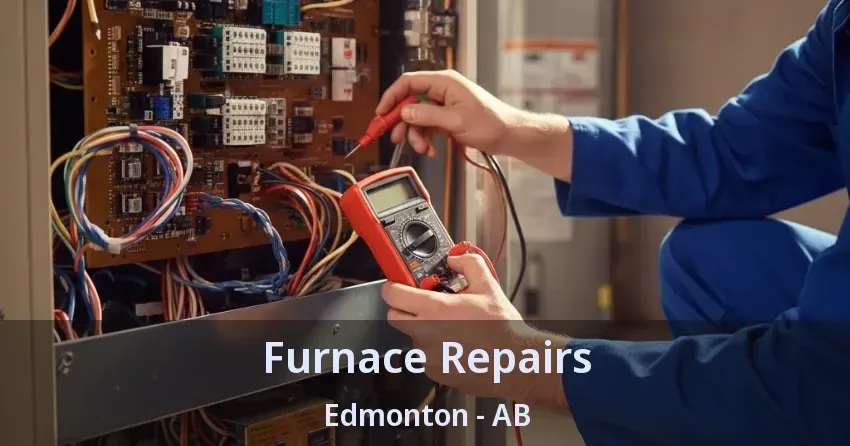
Its value lies mostly in what a technician finds before it turns into a failure. On routine visits we regularly come across clogged drain lines about to overflow, burned contacts on a relay, a fan motor running hot and burners coated with dust. None of those stop the system today, but any of them could on the hottest or coldest night of the year. A tune-up also restores lost airflow and cleans the surfaces that move heat, so the equipment does not work harder than it needs to. Think of it like an oil change: unremarkable, modest next to a repair bill and easy to skip until it matters.
Why does a furnace fail to ignite?
A furnace that fails to light, or lights briefly and then shuts off, usually has a problem with ignition, flame sensing, venting or gas supply. On modern furnaces, a hot surface igniter or spark igniter can crack or wear out, a flame sensor coated with residue may not prove the flame, and a pressure switch may stop the sequence if the vent or intake is blocked. Older furnaces with a standing pilot can lose the pilot. These parts sit next to the gas valve and burners, so do not try to relight, clean or adjust them yourself. Call a qualified gas technician, and leave the home if you smell gas.
What are the most common furnace repairs?
Most furnace repairs involve a short list of parts that wear out or get dirty. Igniters crack, flame sensors get coated and fail to prove the flame, and pressure switches or their hoses stop the startup sequence. Blower motors and the capacitors that start them weaken, inducer fans get noisy, limit switches trip from poor airflow and control boards occasionally fail. Thermostat wiring and loose connections cause their share too. When you look into “furnace repairs”, knowing these names helps you follow the technician’s explanation and ask sensible questions about what failed and why.
What should you look at first when the heat does not come on?
A furnace that will not start is often stopped by something simple: a thermostat setting, a tripped breaker, a switched-off service switch or a dirty filter. Check that the thermostat is set to heat and above room temperature, replace its batteries and make sure the switch near the furnace, which looks like a light switch, is on. Confirm the front panel is fully closed, since many furnaces will not run with it loose. Replace a clogged filter. If none of that helps, stop there: ignition, gas valves and burners are jobs for a qualified gas technician. If you smell gas, leave and call the utility from outside.
Why does the furnace or AC start and stop every few minutes?
An HVAC system that keeps turning on and off, often called short cycling, is usually reacting to overheating, a control problem or equipment that is too large for the home. Common causes include a clogged filter, a thermostat placed near a heat source or a draft, a dirty flame sensor on a furnace, a frozen coil on an air conditioner and safety switches tripping because airflow is blocked. Start by replacing the filter and making sure supply and return vents are open. If the cycling continues, have a technician find the cause, because constant starts wear out parts quickly.
How do you decide between a repair and a new system?
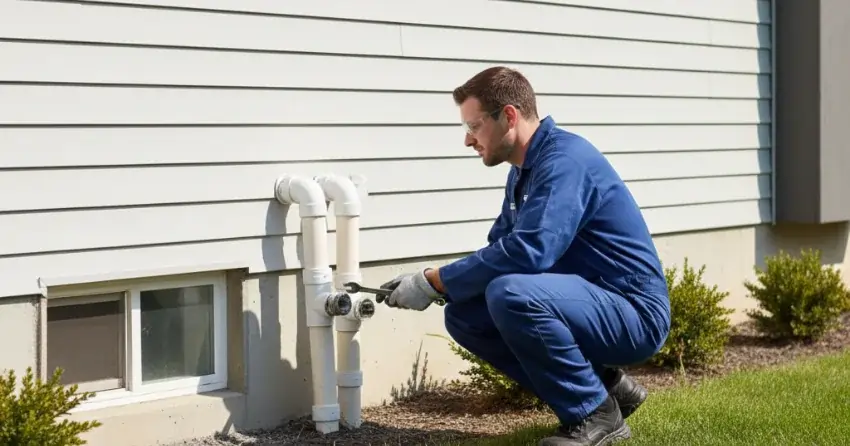
Treat it as a simple comparison: what does this repair buy you, and what would replacement change? A failed capacitor or igniter on a sound system is an easy repair. A major part failing on equipment near the end of its life, especially after other big repairs, is where the replacement conversation starts. Comfort counts as much as cost: if some rooms have never been right, a new system sized and installed properly may fix problems a repair never will. Both paths should be laid out, with what each involves, and the call left to you. Nobody should feel rushed into a new system.
How long do furnace repairs usually take?
Many furnace repairs are finished in a single visit, often within a couple of hours, because common parts such as igniters, flame sensors, capacitors and pressure switches are carried on service trucks. Diagnosis can take longer when a fault comes and goes. Bigger repairs, such as a blower motor, an inducer assembly or a control board for a specific model, may require ordering the part and a return visit. Ask how long a part will take to arrive and whether a temporary fix is possible in the meantime. Clear timing helps you plan around the furnace repair in colder weather.
What details help a company plan work on your furnace?
When you book, describe the problem, the type of equipment and how pressing it feels. Say whether it is a furnace, central air conditioner, heat pump or mini-split, whether it runs on gas or electricity and roughly how old it is. Explain the symptom in plain words, such as no heat, weak airflow, water leaking or a noise, and when it started. Mention where the equipment is located and any access issues. If the system is completely down in extreme weather, or someone at home is vulnerable to heat or cold, say so, so the company can plan its schedule accordingly.
What should you look for in a company for furnace repair?
Choose an HVAC company that diagnoses before it sells, explains clearly and puts prices in writing. A good company asks about your equipment and symptoms, arrives within the window it gave and shows you what it found. For installations, it should measure your home rather than guess the size, and its quote should list equipment, labor and extras. Read recent reviews for comments about honesty and follow-up, not just speed. Be cautious of pressure to replace a system on the first visit, scare tactics about safety without evidence or prices that change once work starts.
Ready when you are
Whether you want to book now or just gather information first, we are glad to help. Ask your questions about furnace repair, your furnace or the timing that suits you. Contact Gas Fireplace Edmonton for homes across Edmonton.
