
































A heating or cooling problem is easier to describe, and to get fixed, when you know what a technician will look for first. Homeowners in Edmonton who searched for “furnace will not ignite” usually arrive with one symptom and a few side questions. The answers here take them one at a time and explain furnace ignition repair in everyday terms, so the conversation with whoever you call starts on firmer ground.
What is the difference between a pilot light, a spark igniter and a hot surface igniter?
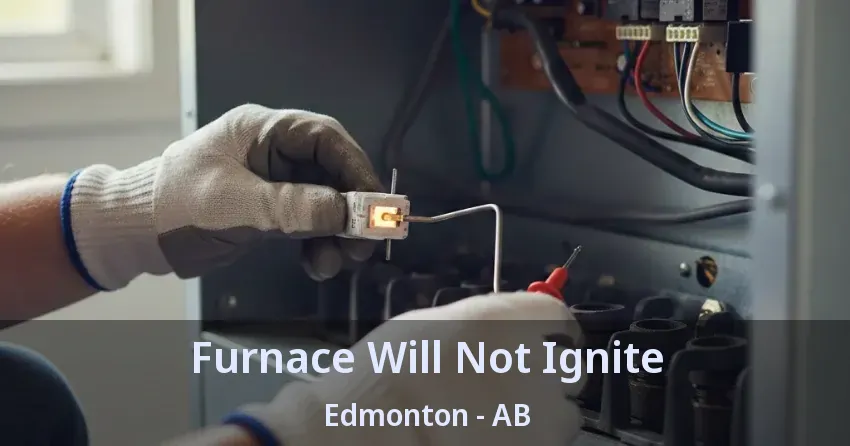
They are three ways of lighting a furnace’s burners. A standing pilot is a small flame that burns all the time on older furnaces and lights the burners when heat is called for. A spark igniter, sometimes used to light an intermittent pilot, creates a spark only when needed. A hot surface igniter, common on modern furnaces, is a small element that glows red-hot and lights the gas directly. Each fails in its own way: pilots go out, spark parts wear and hot surface igniters crack. Knowing which you have helps when describing a “furnace will not ignite” problem. Leave every one of them to a qualified gas technician.
How can you tell if the thermostat, not your furnace, is the problem?
A faulty or poorly set thermostat can make a working system look broken, so it is worth ruling out first. Dead batteries, a switch left on the wrong mode, a schedule that changed after a power outage or a loose wire can all stop heating or cooling. Placement matters too: a thermostat in direct sun, near a lamp or in a drafty hallway reads the wrong temperature. Before calling, check the mode and setpoint, replace the batteries and confirm the screen is working. Mini-splits use a remote or wall controller, which can have the same problems. If the equipment still will not respond, the wiring or the system needs a technician.
Why does the furnace click several times but never light?
Clicking without flame usually means the furnace is trying to light but something in the sequence is missing. The igniter may be weak or cracked, the gas valve may not be opening, the gas supply to the house or the furnace shutoff may be off, or the flame appears briefly and is not detected. After a few failed tries, most furnaces lock out for a while. Check whether other gas appliances work, which tells you whether gas is reaching the house. Then stop and call for furnace ignition repair. Do not open the burner compartment or try to light anything by hand.
What do strange noises from an HVAC system mean?
Most new noises are worth a call, because a sound that was not there last month usually means something has loosened, worn or started to fail. Descriptions over the phone fall into familiar patterns. A booming furnace start often comes from gas building up before it lights, which needs prompt attention. A high whine from the outdoor unit can be a fan motor on its way out. A hum without the fan spinning frequently traces to a weak capacitor. Gurgling or dripping from an indoor unit points to a drain problem. Recording a short video of the sound helps the technician a great deal.
Why won’t the furnace turn on?
A dead furnace usually falls into one of two groups: no power or signal reaching it, or a furnace that tries and fails. The first group is often settled by the homeowner: a thermostat on cool, a service switch flipped off by mistake, a tripped breaker or a door panel not seated on its safety switch. The second group is ours. A furnace that clicks, hums or starts its fan and then gives up usually has an ignition, flame sensing, pressure switch or limit problem, and many models flash a code on a small light that points us in the right direction. Note that code before you call.
What should you expect when a technician comes to fix the system?
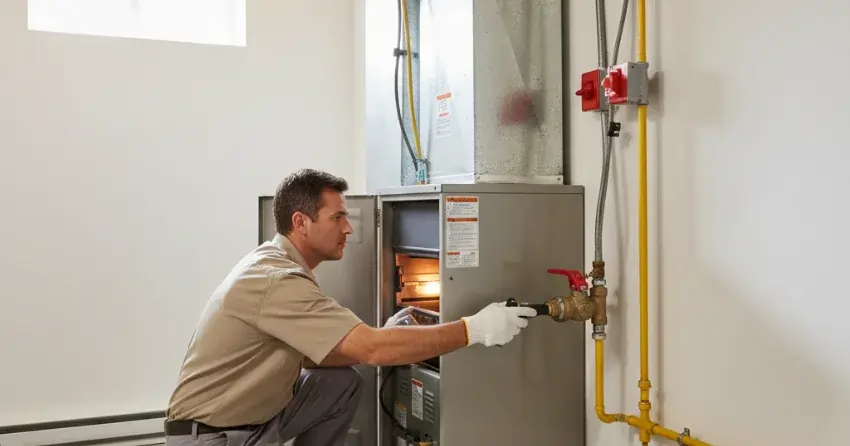
An HVAC repair visit starts with a conversation about what you noticed, followed by a step-by-step diagnosis. The technician checks power and controls, runs the equipment, measures voltages and temperatures and tests the parts most likely to cause the symptom. Once the cause is found, you should hear what failed, what the repair involves and what it will cost before work starts. Common parts are often carried on the truck, while others may need ordering. After the repair, the system is run through a full cycle to confirm it works, and the technician explains anything else worth watching.
What affects the cost of an HVAC repair?
The cost of an HVAC repair depends mainly on which part failed, how long it takes to reach and replace it and whether the part is common or specialized. A small electrical part such as a capacitor, igniter or sensor is very different from a blower motor, circuit board or compressor. Access matters: equipment in a tight attic or crawlspace takes longer. Diagnostic time, after-hours visits and parts that must be ordered can add to the total. Ask for the diagnosis and the price before work begins, and ask whether the diagnostic charge is applied to the repair.
What should you do before your furnace ignition repair visit?
Two things speed up any visit: easy access to the equipment and a clear account of the problem. A furnace closet packed with boxes, or an outdoor unit behind a locked gate, eats into the time you are paying for. Clear a few feet around each unit, light the way to an attic hatch if needed and leave the thermostat within reach. The account matters as much: when the problem began, whether it comes and goes, what the system sounds like and any blinking codes. A phone video of a strange noise is extremely helpful. Pets are happier and safer in a closed room while doors are open.
What are the advantages of local service for your furnace?
A crew that works the same streets learns the builders’ habits: furnaces squeezed into hallway closets, condensers on narrow side yards, attic air handlers with long drain runs. That pattern knowledge shortens diagnosis and makes installation quotes more accurate. It also means someone can come back easily if a repair needs a second look. Local companies tend to keep the parts that local equipment needs. When you call one, ask how often it works on homes like yours; a confident, specific answer is a good sign.
Schedule a visit with Gas Fireplace Edmonton in Edmonton
Our technicians work in homes across Edmonton and the surrounding area. When you reach out, we confirm a convenient arrival window, explain what the visit includes and answer any last questions before anyone arrives. Pick a time that suits you and we will take it from there.
