

































Gas appliances reward a careful approach, and a fireplace is no exception. Most problems turn out to be minor, yet a few signs call for stepping back and letting a qualified gas technician take over. This page was written for homeowners in Edmonton who searched for “gas fireplace inspector” and want straight information before deciding what to do next. It explains how gas fireplace inspection works, which checks are safe for you and which jobs belong to a professional.
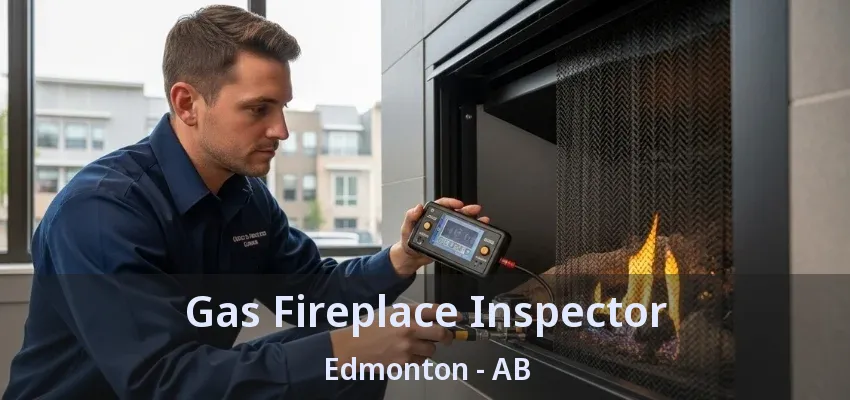
Is a dusty smell from a gas fireplace normal after months off?
A gas fireplace often smells for a short time when it is first turned on after months of rest, because dust, pet hair and household particles on the burner and logs burn off. A brand-new fireplace may also give off a paint or oil smell while protective coatings cure during the first hours of use. That kind of odor is warm and dusty and fades quickly. A rotten-egg or sulfur smell is a different matter and should never be ignored: leave the home and call the gas utility from outside. If a burning smell lingers beyond the first few fires, or the room feels stuffy, have the unit checked.
What should the flames in a gas fireplace look like?
Good flames rise evenly from the burner ports, dance a little and stay clear of the glass, and we judge them by shape and steadiness as much as by color. When flames roll toward one corner, the vent may be drawing unevenly or a gasket may be letting air in. Flames that are short and pale often mean the burner is not getting full gas pressure, while tall, dirty-orange flames that leave soot suggest too little air. Comparing what we see with the description in the owner’s manual tells us whether the fire is behaving as intended or needs correction.
How does a technician leak-test your gas fireplace?
We check for leaks with an electronic detector and leak solution at every visit, and the routine is quick and methodical. With the access panel off, we pass the detector slowly along each fitting, from the shutoff valve to the control and pilot lines, and confirm any reading with leak solution, which forms a steady cluster of tiny bubbles at the exact spot. Fittings disturbed during earlier repairs, connectors that have been bent repeatedly and older valves are where we tend to find trouble. A leak gets repaired before the fireplace is relit, never left for later. Where the house piping itself is suspect, a separate pressure test may be recommended.
What does a technician look for during your gas fireplace inspection?
A gas fireplace inspection is a close look at whether the unit is installed, venting and operating safely. It usually covers the gas connections and shutoff valve, the burner, pilot and ignition, the condition of the logs, glass and gasket, and the venting from the firebox to the outdoor termination. The inspector watches the flame, confirms the safety controls shut off the gas when they should and checks clearances to nearby materials. Many inspections also include a leak test on accessible fittings. You should receive a clear list of what passed, what needs attention and what is urgent, so you can plan any repairs.
How long is a gas fireplace inspection good for?
An inspection reflects the condition of the fireplace on the day it was done, so it is not good for a fixed period. Things change: batteries drain, gaskets age, nests appear in vent caps and renovations can disturb gas lines or venting. Many homeowners treat a yearly service as their ongoing check and arrange a separate inspection when something significant happens, such as buying the home, remodeling the room, replacing the fireplace or noticing soot, odors or a carbon monoxide alarm. For a home sale, buyers usually prefer a recent inspection over an older one.
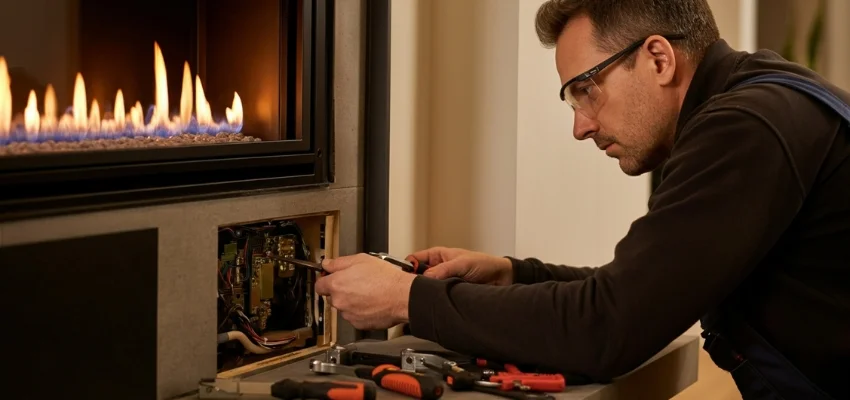
Should you be home while a gas fireplace inspector works?
Yes, if you can. Being there lets you answer questions about how the fireplace has behaved, point out anything unusual and see the problems the inspector finds rather than reading about them later. You will also see how the fireplace is turned on and off, which is useful in a home you have just moved into. If you cannot be present, arrange for an adult to provide access and ask the “gas fireplace inspector” to call you with a summary before leaving. Landlords should give tenants notice and ask them about any concerns beforehand, since tenants use the fireplace most.
Is it safe to use a gas fireplace that needs repair?
Our advice is simple: if the problem involves flame, gas, glass or exhaust, the fireplace stays off. Those symptoms can mean incomplete combustion, a leak or a breach in the sealed firebox, and none of them are worth the risk. If the issue is purely about convenience, such as a remote that needs a second press or a blower that rattles, careful use until the visit is generally reasonable. Either way, keep children and pets away from the glass, test your carbon monoxide alarms and note what you observe, because those details help us pin down the cause.
What gas fireplace maintenance can you do yourself?
Dusting, batteries and an eye on the outdoor vent are the jobs we see owners of the most reliable fireplaces handle well. They keep the louvers and fan openings free of dust, change remote batteries before winter and glance at the vent now and then to make sure nothing is growing over it or nesting inside. They also know their limits. We regularly repair damage caused by well-meant fixes: pilot assemblies bent during cleaning, fittings tightened with the wrong tool and logs rearranged for looks. Anything beyond the louvers, the batteries and the view from outside is technician territory, and that boundary keeps both the fireplace and the household safe.
What questions show whether a technician knows gas fireplaces?
From our side of the conversation, the questions that matter most are about scope and safety. Ask what gets cleaned and tested, how the gas connections are checked and whether the vent termination outside is part of the visit. Ask how a needed part would be handled: ordered, quoted first or installed on the spot. It is reasonable to ask who will come and how the room will be protected. A technician who works on gas fireplaces every week answers these without hesitation and in plain words. Evasion, heavy jargon or a refusal to put the scope in writing tells you something too.
Not sure where to start?
Start with whatever you noticed, even if it seems minor. A short description is enough for us to suggest the right kind of visit for your gas fireplace. Call (587) 853-6668 and the Gas Fireplace Edmonton team will guide you from there.
