

































A suspected gas leak is stressful, and stress makes it hard to sort facts from rumors. Calm, accurate information helps. For people in Edmonton who typed “gas line cap”, this page covers how gas leaks show themselves, what the utility and a technician each do and what gas line capping looks like from start to finish. It also repeats the rule that matters most: if you smell gas, get outside first and make the call from there.
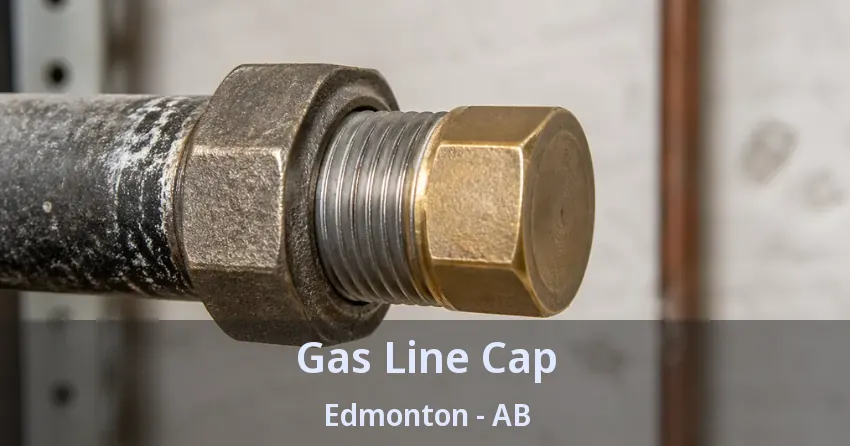
What does a cap on a gas pipe actually do?
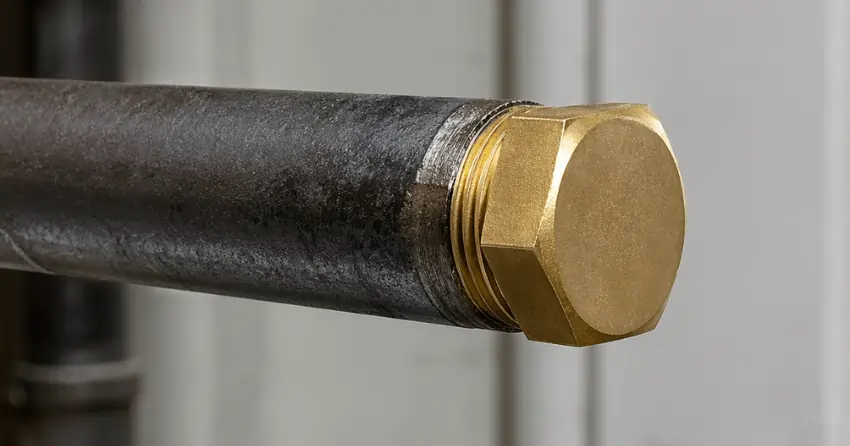
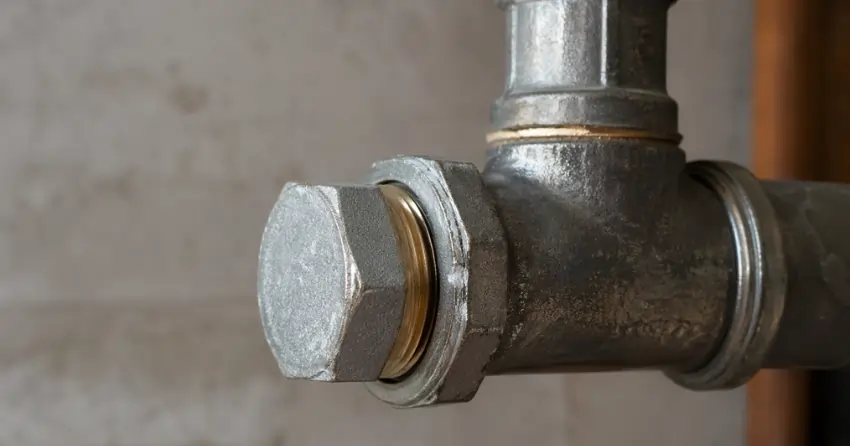
Capping closes the open end of a gas pipe with a fitting made to hold pressure, so nothing can flow out. It is done when an appliance is removed, a kitchen or laundry is remodeled, a fireplace is converted or a branch line is no longer used. A proper cap is a threaded metal cap or plug fitted with a gas-rated sealant, and it is leak-tested before the gas is turned back on. A closed valve alone is not a lasting seal, and a bare pipe end must never be left open. This is work for a qualified gas technician.
What types of gas line caps and plugs are there?
Caps and plugs come in forms that match the pipe they close. Steel pipe is capped with a threaded metal cap or plug, sealed with a sealant rated for gas. Where a valve stays in place, its outlet can be closed with a metal flare cap that seats against the fitting. Flexible tubing and plastic pipe have their own manufacturer-approved end fittings and cannot be closed with a hardware store part. Rubber, push-on plastic and tape-only solutions are never acceptable. For a “gas line cap”, the points that matter are the right material, the right thread or flare and a leak test afterward.
Can a gas alarm sound without a leak in your gas line?
An alarm with no smell is exactly the situation alarms are made for, so we never wave one off. Sensors pick up gas at very low levels, sometimes before anyone in the house notices an odor, especially if people have colds or have grown used to a faint smell. Our advice matches what we say about a strong smell: get everyone out, make the call from outside and let the utility check the home. Afterward, we search the appliances and connections nearest the alarm. If nothing turns up, we look at the alarm itself, its age and whether sprays or fumes tripped it.
How is your gas line pressure-tested after work?
Think of the test as the system’s final exam. Before gas goes in, we cap off the open ends, attach a gauge and bring the piping up to test pressure using air or nitrogen. Then we wait and watch. If the needle holds steady for the required time, the joints are tight. If it falls, something is leaking, and we track it down with leak solution before trying again. Longer, hidden or larger systems take more time than a short exposed run. We do not skip the test on small jobs, because a tiny leak in a fresh joint is the hardest kind to notice later.
What affects the price of a new gas line?
The honest answer is that distance and difficulty drive the price. A range beside an existing pipe is a short job. A fire pit across the yard means trenching, extra material and surface restoration. Finished walls cost time because the pipe has to be fished through carefully, and a meter upgrade adds a step handled with the utility. We lay these out in the quote as separate items, along with permit and inspection fees if your area has them, so you can see what the number includes and compare it with anyone else’s.
What can you do ahead of time to keep a gas job on track?
Think about three things: access, information and downtime. For access, free up the areas where we will be working and make sure someone can let us into the basement, garage or yard. For information, have appliance model numbers handy, along with any plans, past invoices or utility notices for the property. For downtime, expect gas to be off to part of the house, so schedule laundry, cooking and showers around it. Tell us about anything you have noticed, such as smells, pilot problems or earlier repairs. Small details like those often lead us to the right spot faster.
Do you need to tell the utility or a buyer about a capped line?
It is good practice to record it, and in some places it is required. The technician can note the capped line on the work paperwork and permit sign-off, and you should keep that with your home records. When you sell, mention capped lines or unused branches in your disclosure notes, so the buyer’s inspector is not surprised and a future owner can plan a kitchen or laundry change around them. The gas utility generally needs to know only when the meter or service is changed or disconnected. Ask your technician what your local rules require rather than relying on a general answer.
Why is working on your own gas line such a risk?
We get it: a leaky fitting looks like a ten-minute fix. The trouble is that gas leaks do not announce themselves, and the usual home remedies make them worse. Tape and putty are not rated for gas, over-tightening cracks fittings and a joint that holds at the stove may fail once the pressure comes back up. Without a detector and a gauge, there is no way to know the job is tight. What you can safely do is keep appliances accessible, test your alarms and call a technician at the first sign of trouble. The rest, from moving an appliance to restoring gas, is better left to someone equipped for it.
How do you keep track of a capped line in a wall or floor?
Once we cap a line and test it, the job is done, but the record matters nearly as much as the cap. We leave a note on the valve or nearby, tell you where the capped end is and what it fed, and suggest keeping that with your home papers. If you later want a range or fireplace in the same spot, the cap comes off in a technician’s hands: the pipe is checked, extended, tested and only then connected to the appliance. If you ever find a pipe end in a wall or basement that you did not know about, treat it as a question for a technician.
Alarms and a plan for your household
Working carbon monoxide alarms and a household that knows to leave first and call from outside are the basics. For the repair and testing side of gas line capping, call Gas Fireplace Edmonton at (587) 853-6668 and we will explain the next steps for your home in Edmonton.
