

































Not every gas leak is dramatic. Some are small enough that the smell comes and goes, or only shows up near one appliance. Those still deserve to be taken seriously, because gas can collect in closed spaces. Homeowners in Edmonton who searched for “gas line installation” will find straight answers here about gas line installation, what a technician uses to track down a leak and what you should and should not do while you wait for help.
Which materials are allowed for gas piping, and which are not?
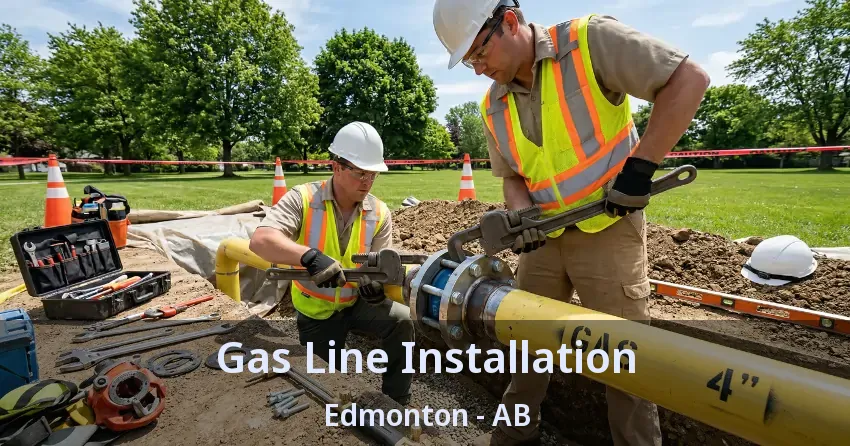
Three materials cover most of what we see. Black iron or steel pipe, threaded together, runs through many homes and is the workhorse for rigid runs. Corrugated stainless tubing, which bends around obstacles, has become popular because it goes in quickly, and it comes with its own fittings and installation rules. Underground, polyethylene made for gas resists rust and is common for yard runs to a garage or pool heater. Materials cannot be mixed casually, since each has approved fittings, supports and transitions, which is why we ask what is already in place before quoting new work.
What is the safe first step if your gas line might be leaking?
If you smell gas in your home, leave right away and call the gas utility or 911 once you are outside and well away from the building. Take people and pets with you. On the way out, do not switch lights or appliances on or off, do not use a phone or doorbell inside and do not light anything. Do not stop to open windows or look for the source, and do not start a car parked in an attached garage. Stay out until the utility or the fire department says it is safe. A qualified gas technician should repair the leak before appliances are relit.
How is a new gas line installed?
We think of an install as plan, build and prove. In the planning visit we measure the route, decide on materials and work out how much gas everything on the line will use. Building means shutting off the right section, running and supporting the new pipe, adding a valve at the appliance and joining everything with fittings suited to the material. Proving covers the pressure test, any inspection your area requires and a leak check once gas flows. Only then is the appliance connected and lit. Each stage is written down, so the next owner knows what is behind the wall.
Rigid pipe or flexible tubing: how is the choice made?
Both are accepted when installed according to the maker’s instructions and local rules, so the choice is about the job. Rigid steel pipe suits straight, accessible runs and is the long-standing standard. Flexible corrugated stainless tubing bends around obstacles, which saves joints and time in finished walls and tight spaces, but it has its own fittings, support rules and, in many places, a requirement to be tied into the home’s electrical grounding. Short appliance connectors are a different item again: they are flexible by design and replaced when the appliance moves. Mixing parts from different makers is not allowed.
Does a new appliance mean a bigger gas meter?
Not always, but it can. The meter and the regulator behind it have a maximum capacity, and the total demand of every gas appliance must stay below it. A range or dryer in a typical home often fits, while a pool heater, standby generator or large boiler added on top of a furnace and water heater may not. Your technician adds up the loads and, if needed, you ask the gas utility about meter capacity. The utility decides on a service upgrade, which can involve its own scheduling, so raise the question early rather than after the pipe is in.
What decides how long a gas job takes?
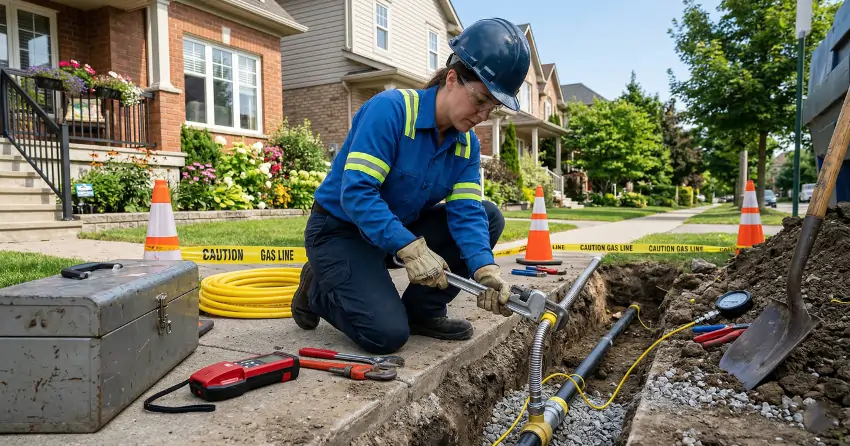
There is no standard length, because gas jobs range from a quick connector swap to a project spread over several visits. The schedule is set by scope and access. Swapping a connector or valve at an exposed appliance is short. Searching for a hidden leak takes longer, since sections must be isolated and tested. A new run through finished walls or across a yard adds time for opening, piping, testing and restoring surfaces. A permit inspection or a utility visit can add a gap before gas returns. Ask for the plan and the expected gas-off period when you book.
Why do local authorities inspect new gas piping?
In most areas, adding or altering gas piping requires a permit, and the finished work is inspected before it is covered up or put into service. The reason is simple: a hidden mistake in gas piping can stay hidden until it matters. Requirements differ by city and by the size of the job, and a connector swap may be treated differently from a new run. The technician doing the work normally knows what applies, applies for the permit and arranges the inspection. Ask for the paperwork when the job ends, since future owners may want to see it.
What paperwork should you keep after a gas line is installed?
Keep a small folder with everything that shows the work was done properly. That includes the permit and final inspection sign-off, the pressure-test record if you were given one, a simple sketch of where the pipe runs and which appliances it serves, the make and model of each appliance connected and the installer’s invoice describing the materials. A photo of the pipe before walls were closed is worth adding. These records help the next technician, answer a buyer’s questions and make later changes easier, such as extending the line for another appliance.
What should you ask a gas line installer before hiring one?
Skip the generic questions and ask about decisions. How was the pipe size chosen? Will you check my meter and existing supply before adding to it? What material goes where, and why? Who deals with the permit, the inspection and the utility? Will the pressure test happen before walls are closed, and will I get a copy of the result? Also ask what is not in the quote, because installers differ on trenching, patching and finish work. An installer who answers in plain language and offers to put the answers in writing is likely to run the job the same way.
Worried about older fittings?
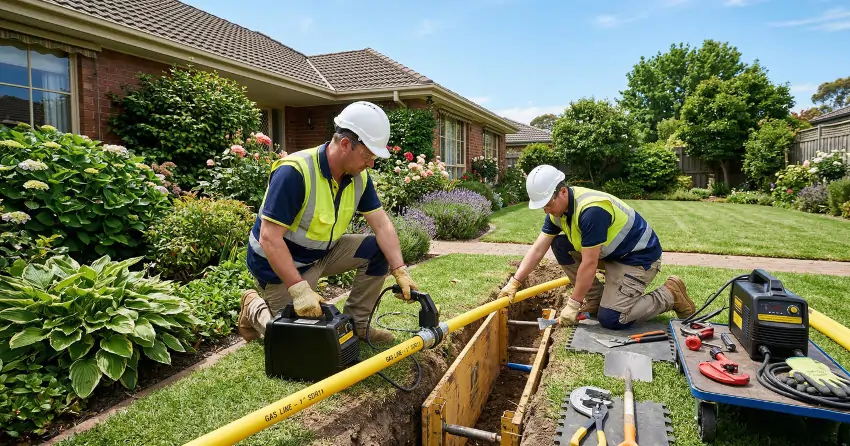
Older homes in Edmonton can still have connectors and fittings that deserve a closer look. A planned visit lets a qualified gas technician check them and explain any repair. If you ever smell gas, leave first and call from outside. Call Gas Fireplace Edmonton at (587) 853-6668.
