
































This page is meant as a reference rather than a sales pitch. It covers the parts of gas line safety that cause the most confusion, from the warning signs of a leak to why a pressure test follows most repairs. If “gas line services” is what you searched for in Edmonton, you will find honest detail about gas line work, with clear guidance on which steps belong to the homeowner and which belong to a professional.
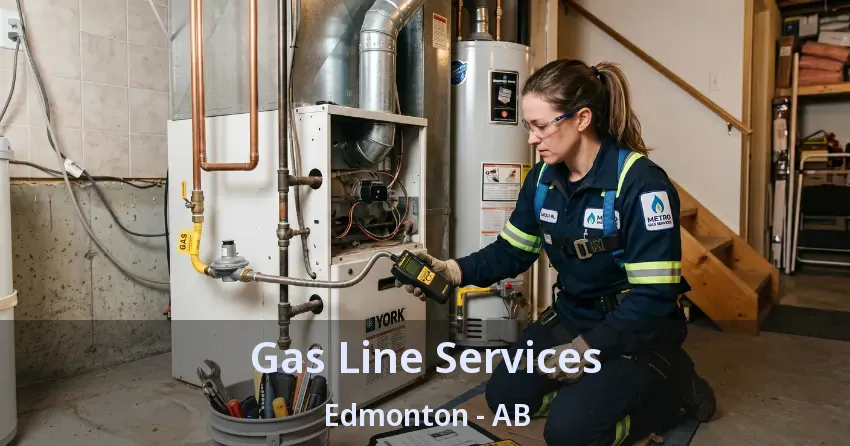
Who is responsible for fixing a gas leak, the utility or the homeowner?
In many areas, the gas utility is responsible for the service line and meter, while the piping and appliances after the meter belong to the homeowner. When you report a leak, the utility responds to make the situation safe, which may include shutting off gas to an appliance or to the whole home, but a leak on the house side is usually yours to have repaired by a qualified gas technician. Gas is restored once that work passes a test. Rules differ by provider and area, so ask the utility crew where its responsibility ends when it visits, and keep any notice it leaves.
Which appliances might need an extension of your gas line?
A new gas line, or an extension of an existing one, is usually needed when an appliance is added where gas does not reach yet. Common examples are:
- a range replacing an electric stove;
- a gas dryer in the laundry room;
- a fireplace, fire pit or log set;
- a grill, outdoor kitchen or pool heater;
- a generator or a heater for a detached garage.
Before any of these, a technician checks whether the meter and existing piping can supply the extra demand along with everything already running.
Will the gas company shut off your gas after a leak call?
When the gas utility responds to a leak call, a crew checks the home and surrounding area with detection equipment and makes the situation safe. If they find gas escaping on the utility side, such as at the meter or service line, they typically repair it. If the leak is inside the home or on an appliance, they may shut off gas to that appliance or to the whole house and leave a notice explaining why. Gas usually stays off until a qualified gas technician repairs the problem and the system passes a test. Ask the crew what they found so you can share it with the technician.
What does a gas line installer do from the first visit to the last?
A new gas line follows a clear sequence. First, a technician looks at the planned appliance, the existing piping and the route. Next comes a load calculation to size the pipe, and a permit if your area asks for one. The gas is shut off to the section being worked on, the new pipe is run and supported, a shut-off valve is fitted near the appliance and the run is pressure-tested. An inspection may follow, depending on local rules. Only then is gas introduced, air purged from the lines and the appliance connected and lit, with a final joint check by leak solution.
How can you make a gas repair visit go smoothly?
Once the home has been declared safe, preparing for the repair visit mostly means clearing access and gathering information. Make room around the meter and every appliance connected to gas, such as the furnace, water heater, range, dryer or fireplace. Move stored items away from basement or crawlspace piping. Have the notice left by the utility handy, since it describes what they found and what was shut off. Note where and when you noticed a smell. Keep pets secured, and expect gas appliances to be off for part of the visit, which may affect heating, hot water and cooking.
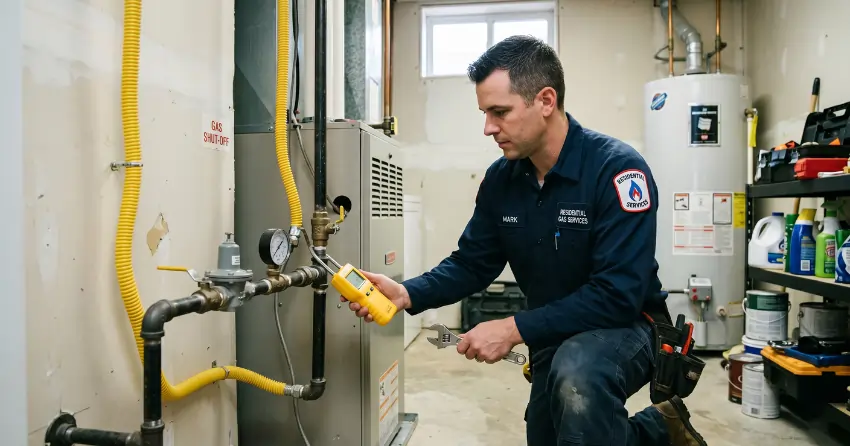
How should you describe a gas problem when you call?
Say first whether you smell gas now; if so, leave and call the utility from outside before phoning anyone else. Otherwise, give the facts in order: what you noticed, where, when it started and whether it comes and goes. Mention which appliances are involved, whether you use natural gas or propane and what the utility or a previous technician said or did. Photos of the appliance label, the meter or the pipe can help. A clear description lets the company bring the right parts and tools and tell you honestly what the visit is likely to involve.
What should you know about a capped gas line afterward?
A capped line is safe once it has passed its leak test, and it can sit unused. A few habits help. Note where it ends and what it used to serve, on a sketch or in your home records, so a future renovation does not surprise anyone. Never remove a cap or assume a line is dead because the appliance is gone; a damaged cap or a failing fitting can still leak. A capped line can often be reused for a new appliance, but it must be checked, extended by a technician and pressure-tested first. Mention it when you sell the home.
Why compare more than one quote for gas line work?
Quotes for the same job can be built very differently, and the quote that looks smallest may leave things out. Compare what each includes: sizing calculations, pipe material, digging or wall access, the pressure test, the permit and inspection, connecting and lighting the appliance, and restoring floors, walls or lawn. Notice who will do the work and how much is described in plain terms. Two or three written quotes make gaps obvious, and a company that welcomes questions is easier to work with. A fair comparison looks at scope first and price second.
Who should you hire to repair a gas line?
Hire someone who can describe the process clearly on the first call, because technicians worth trusting with gas work give themselves away by how they talk about it. They want to know what the utility found before they arrive. They describe testing as part of the job, not an optional extra. They explain how gas will be restored and who will relight the appliances. They are comfortable saying when a section of pipe needs replacing rather than patching. When you speak with someone around Edmonton about a leak, notice whether those topics come up on their own; if you have to drag them out, keep looking.
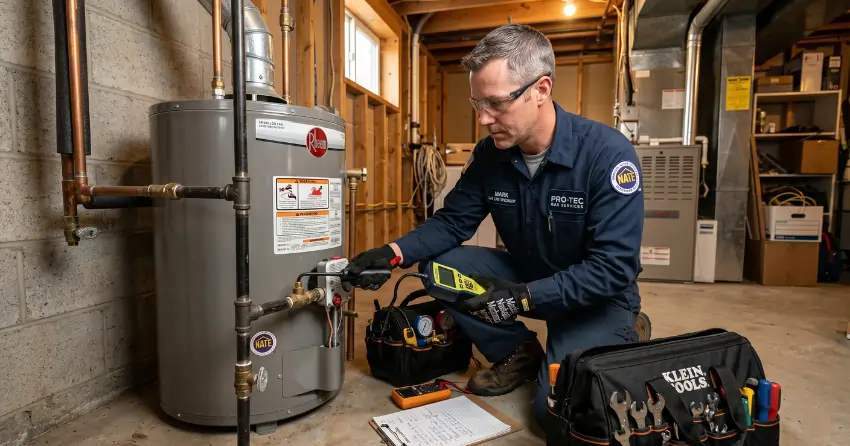
Alarms and a plan for your household
Working carbon monoxide alarms and a household that knows to leave first and call from outside are the basics. For the repair and testing side of gas line work, call Gas Fireplace Edmonton at (587) 853-6668 and we will explain the next steps for your home in Edmonton.
