

































A suspected gas leak is stressful, and stress makes it hard to sort facts from rumors. Calm, accurate information helps. For people in Edmonton who typed “gas piping”, this page covers how gas leaks show themselves, what the utility and a technician each do and what gas piping work looks like from start to finish. It also repeats the rule that matters most: if you smell gas, get outside first and make the call from there.
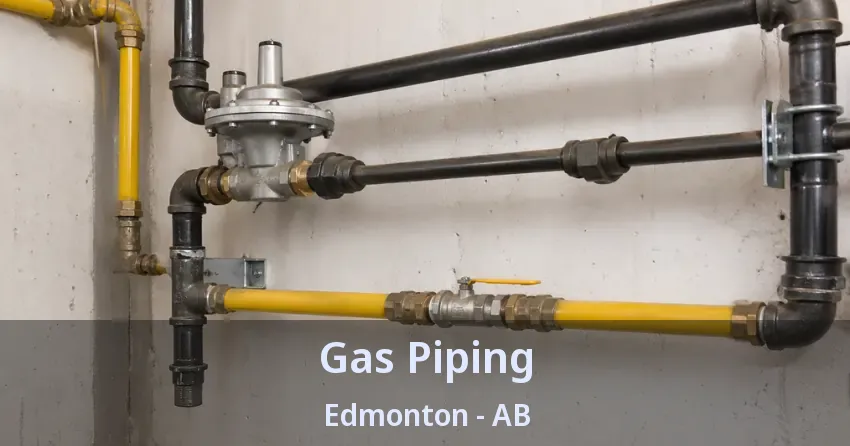
Why is the open end of an unused gas piping capped?
A cap is simply a pressure-tight end for a pipe that no longer feeds anything. We cap lines after a range or dryer comes out, when a renovation moves the kitchen or when an outdoor feed is retired, and we treat it as a complete job: gas off and confirmed, the pipe end prepared, a metal cap fitted with sealant rated for gas, then a leak test with the line pressurized. Rubber caps, tape or a valve left closed are not substitutes. We also note where the capped end is and what it served, because the next renovation will want to know.
How can you find where the gas piping runs in your home?
Start at the meter and look along basement ceilings, crawlspaces and the walls behind appliances, where pipe is usually visible. Yellow tubing, black steel pipe and short flexible connectors are typical sights. Plans, earlier inspection reports or old work invoices can fill in the rest, and a technician can trace hidden runs with a gas detector or a locating tool. Outside, a utility locate service marks buried lines; do not probe the ground yourself. Before drilling, nailing or cutting into any wall or floor, find out whether pipe passes through it, because a punctured line is a serious hazard.
What warning signs point to a gas leak at home?
The most common sign of a gas leak in a house is a rotten-egg or sulfur smell, but there are others worth knowing:
- a hissing or whistling sound near a gas line, valve or appliance;
- houseplants near a gas line wilting or dying for no clear reason;
- a gas bill that rises while your use stays the same;
- headaches, dizziness or nausea in one part of the home, which can also point to carbon monoxide, so treat them as a reason to get everyone outside.
If you notice any of these, leave the home and call the gas utility from outside rather than investigating.
What does corrosion on your gas piping look like?
Look where pipe gets damp: basement walls, crawlspaces, the point where a line enters or leaves the house and spots near laundry sinks or water heaters. Rust that flakes off in scales, pitted surfaces and fittings that look wet or crusty tell us the metal is losing strength. Pipes held up only by their own connections, or by wire and tape, are a separate concern because movement stresses the joints. One bad fitting does not condemn a whole system, but a pattern of trouble spots usually means a section is due for replacement, and we explain which one before work starts.
What is the difference between gas piping and the gas service line?
The service line is the supply pipe that brings gas from the main in the street or yard to your meter, and the utility normally owns and maintains it. Gas piping, in everyday use, means the system after the meter: the pipes, valves and connectors that carry gas through the house to each appliance, which the property owner is generally responsible for. The meter and its regulator mark the handoff. Knowing which side a problem sits on tells you whom to call: the utility for the supply side, a qualified gas technician for the house side. Details vary by provider and area.
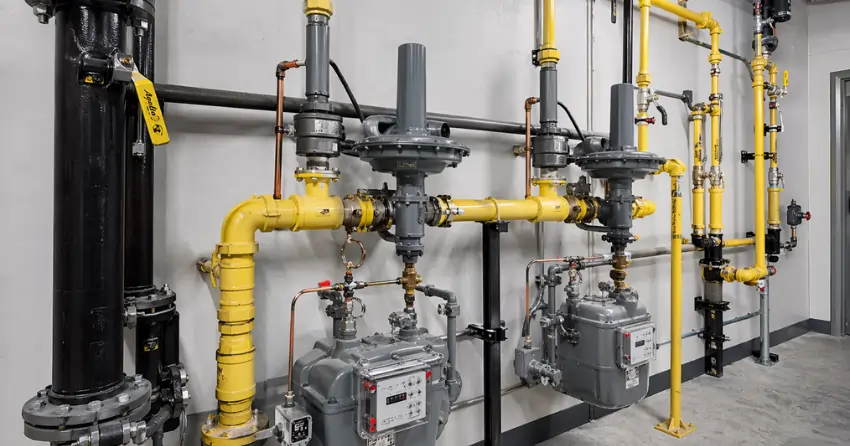
What equipment do technicians use to locate gas leaks?
A gas detector, leak solution and a pressure gauge are our main tools, and we use them by working outward from the clues you give us: where the smell was, when it appeared and which appliances were running. From there we move along the piping with the detector, slowing down at every fitting, valve and flexible connector, since those are where most leaks start. When the detector reacts, we brush on leak solution to see the bubbles and confirm the spot. If the leak is inside a wall or underground, we pressure-test the system, then isolate sections one at a time until the gauge shows which part is losing pressure. It is methodical work, and rushing it misses small leaks.
Does every gas repair or new line need a pressure test?
A gas pressure test checks whether piping can hold pressure without losing any. After repair or new work, the technician isolates the section, connects a gauge and raises the pressure with air or an inert gas such as nitrogen to a level set by the applicable rules. The system is then left for a set period while the gauge is watched. A falling needle signals a leak somewhere, and the search begins again. Passing the test, plus a final check of each joint with leak solution once gas is on, is what allows the supply to be restored. Required pressure and duration vary with the piping and local rules.
Why does the size of your gas piping matter?
Sizing is arithmetic, not guesswork. We list every appliance on the line with its rated input, add them up, measure the pipe from the meter to the farthest one and read the answer from sizing tables for that material and pressure. A long run needs wider pipe than a short one carrying the same load. The mistake we meet most often is a new appliance connected to a line sized for the old kitchen, so the flames sag whenever the furnace and the new fireplace run together. An extra half hour of calculation before the pipe goes in avoids that problem.
What should you do with the findings about your gas piping?
A problem on the report is not a verdict on the house. We sort findings into three groups: fix now, fix soon and keep an eye on. A leak or a damaged connector goes in the first group, and we usually cannot leave it as it is. A rusted section or a pipe with no support goes in the second, along with a suggestion for how and when to repair it. Minor items, like a missing label or an old capped fitting, go in the third. After repairs we retest the affected part and update the report, which gives you something clear to hand to a buyer or the next technician.
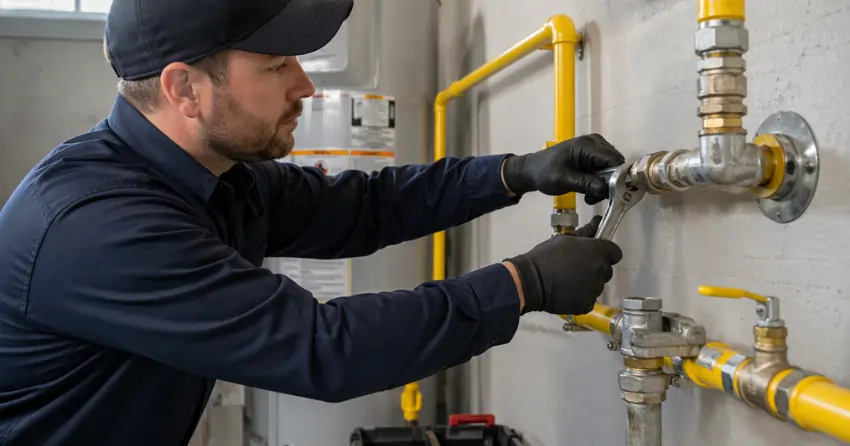
Worried about older fittings?
Older homes in Edmonton can still have connectors and fittings that deserve a closer look. A planned visit lets a qualified gas technician check them and explain any repair. If you ever smell gas, leave first and call from outside. Call Gas Fireplace Edmonton at (587) 853-6668.
