

































Gas, electric resistance and heat pump heaters all warm pool water, yet they fail in different ways and call for different checks. Knowing which kind you own saves a lot of guessing. If you are researching “gas pool heater service” from Edmonton, this page walks through gas pool heater service with those differences in mind, covering common symptoms, what a visit involves and the routine care that keeps each type running dependably.
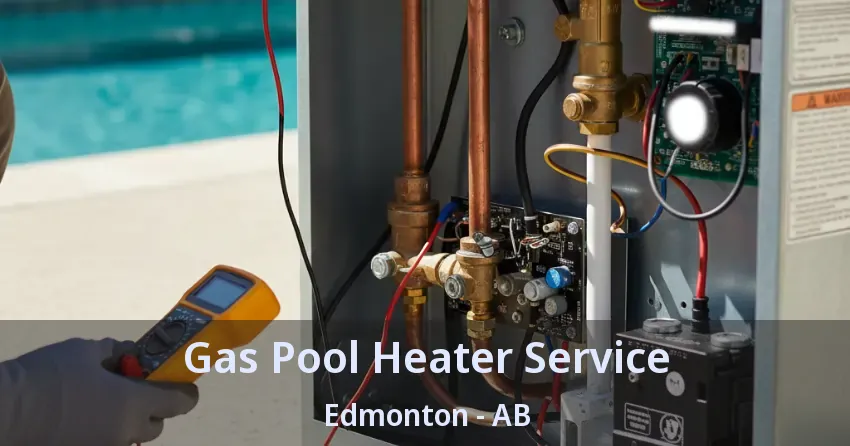
What happens inside a gas pool heater when it heats the water?
A pool heater warms water as it circulates. The pump pulls water from the pool through the filter and pushes it into the heater, where it passes over or around a heat source before returning to the pool. In a gas model, a burner heats a metal exchanger. In an electric model, elements do the job. A heat pump moves warmth from outdoor air into the water using refrigerant. A thermostat sensor compares water temperature with your setting, and a flow or pressure switch makes sure water is moving before anything is allowed to heat.
What do gas pressure and flame checks add to a heater service?
These two checks show how the burner is really performing. With a gauge connected, the technician reads the gas pressure arriving at the heater and the pressure at the burner, because a weak supply gives a lazy flame and slow heating while excess pressure causes noise and sooting. Then the flame itself is observed: a steady, even pattern across the burner is a good sign, while yellow tips, lifting flames or roll-out point to dirty ports, poor air or venting trouble. Adjustments to gas settings are made only by a qualified technician and always against the maker’s data. Ask to have the readings explained after the visit.
How do the pump and filter affect a pool heater?
A heater is only as dependable as the water it receives. The pump supplies the flow that the pressure switch and sensors expect, and the filter keeps debris from entering the exchanger. A clogged filter or a pump losing prime reduces flow and can stop the heater entirely, while a dirty basket starves it quietly. At the other extreme, a very strong pump can overpower the exchanger. That is why technicians check pressure gauges, baskets, valves and pump operation before blaming the heater itself.
What happens during a pool heater service visit?
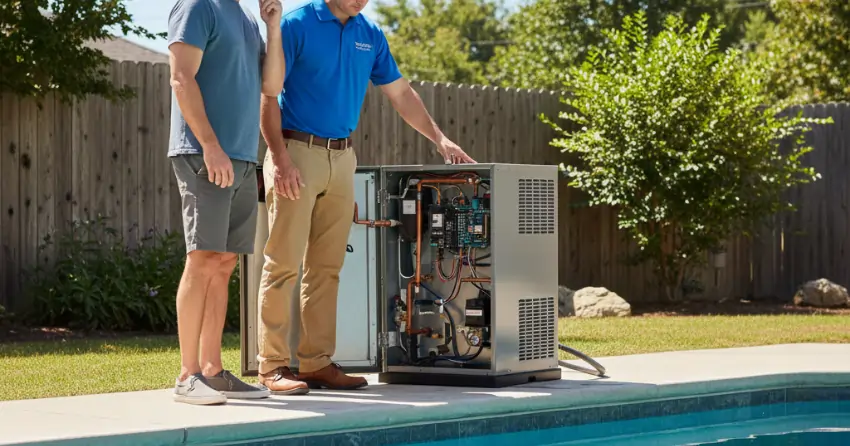
Think of it as a physical for your heater. We inspect, clean, measure and test, and then we tell you what we found. Typical steps are removing the access panels, checking connections for heat damage, clearing debris and insect nests, verifying water pressure and temperature rise, and watching the start-up sequence from beginning to end. If a part is close to failing, we point it out with the reason, so you can decide whether to replace it now or monitor it. A thorough visit leaves you knowing the heater’s condition, not just that it is running.
What shortens the life of a pool heater?
A pool heater can last many seasons when it is installed correctly and cared for, but there is no fixed lifespan. Water chemistry is the biggest factor: balanced water protects the exchanger, while acidic or hard water attacks it. Usage, climate, how well the unit is shielded from weather and pests, regular servicing, freeze protection and the quality of the original installation all play a part. Gas, electric and heat pump models wear differently. When repair needs begin to pile up, comparing repair cost with the value of a new unit is a sensible next step.
How often does a gas pool heater need servicing?
Once a year is the usual rhythm, timed before the pool opens so problems surface before the first warm weekend. Pools heated heavily through the cooler months, heaters in dusty or leafy yards and units near salt water or heavy chemical use may benefit from an extra look midway through the season. A heater that has sat unused for a long stretch, or one that has started showing odd noises, soot or slow heating, should not wait for the calendar. Your manual may state the maker’s interval, so follow that and let a technician adjust it to how often your heater actually runs.
What should you check before turning the gas pool heater back on?
A spring start-up begins with a look around. Check that the area is clear of debris and nests, that drain plugs are back in place and that no parts show damage from the winter. Balance the pool water, prime the pump and let water circulate for a while so air clears from the lines. Then switch the power on, set the thermostat above the current water temperature and watch the first cycle. If you see leaks, hear unusual noises or get a code, turn the heater off and arrange a service visit before relying on it.
What water readings protect a pool heater?
A heater is the one piece of equipment that heats the chemistry too, so it works as an early warning for water that is out of balance. Hot surfaces make scale form faster, and hot, acidic water corrodes faster. We often learn more from the inside of a heater than from the test strip. Bring your water test results when you book a visit. Keep in mind that shock treatments, very fresh fills and big swings in sanitizer all stress the exchanger, so slow, steady adjustments are kinder to it.
What upkeep schedule suits a gas pool heater?
We like to give owners a calendar they can actually follow. Before opening, a service visit. Each month in use, a quick walk around the unit looking for leaks, debris, rust and codes, plus a water test. At closing, a final check and winterizing where it applies. Each item takes minutes, yet together they prevent most surprise breakdowns. Write the dates in your phone and add a note about anything that seems different. A small habit like this also gives us a helpful history when something does go wrong.
Get ready for the season ahead
The weeks before heavy use are the calmest time to deal with your gas pool heater. Appointments are easier to find and any repair can be planned without pressure. Book gas pool heater service in Edmonton while your calendar still has room.
