




























A pool heater never works alone. It depends on the pump, the filter, the valves and the pipes around it, and it reacts badly to water that is out of balance. That wider view is why a thorough diagnosis rarely stops at the heater cabinet. For readers in Edmonton searching for “Hayward pool heater not turning on”, the answers below explain pool heater repair in that bigger context, so you know what a careful visit really covers.
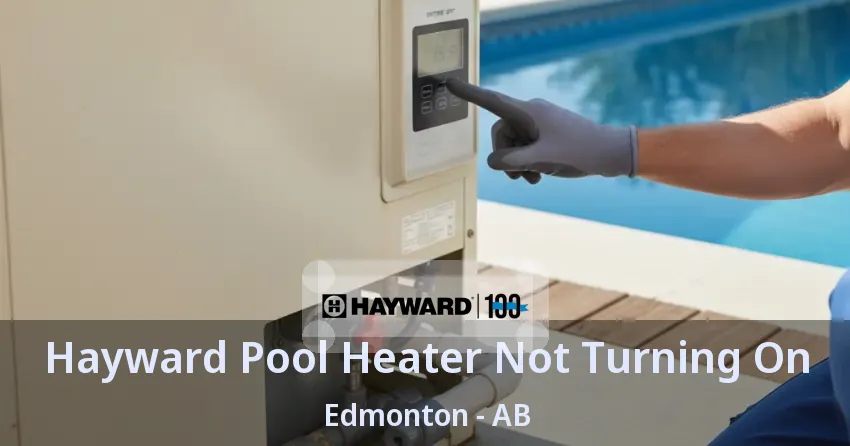
What happens inside a pool heater when it heats the water?
A pool heater warms water as it circulates. The pump pulls water from the pool through the filter and pushes it into the heater, where it passes over or around a heat source before returning to the pool. In a gas model, a burner heats a metal exchanger. In an electric model, elements do the job. A heat pump moves warmth from outdoor air into the water using refrigerant. A thermostat sensor compares water temperature with your setting, and a flow or pressure switch makes sure water is moving before anything is allowed to heat.
Why does the pool heater click but never light?
Ignition failure means the heater tried to light its burner and did not detect a flame within the allowed time, so the control board shut the gas off. Common causes include a worn or dirty igniter, a flame sensor coated with residue, spider webs or debris in the burner area, low gas supply, a closed gas shut-off or an empty propane tank. Condensation on a cold start can also interrupt the first attempt. Repeated resets can lock the unit out, so after one or two tries, stop and have a qualified gas technician diagnose it.
What does a loud pool heater sound mean?
Start by noticing when the sound happens. At start-up only, think ignition or contactor. While running, think fan, compressor or flow. Only at shutdown, think expansion of metal or a check valve slamming. Water noises such as gurgling suggest air in the system, which can happen after the pool has been opened or the filter cleaned. Kettle-like rumbling is a classic scale warning. We trace the sound with the cabinet open and the unit running safely, because a noise that is only a nuisance today can become a failed part next month.
What can you check yourself when a pool heater will not turn on?
Start with the simple things. Make sure the pump is running and the filter is not clogged, since most heaters will not start without good water flow. Confirm the heater’s thermostat is set above the current pool temperature, that any service switch is on and that no valve on the equipment pad was left half closed. If a pool automation panel controls the heater, check that the heater is enabled there. Look at the breaker and reset it a single time if it has tripped. Do not open the cabinet or touch gas parts, and if you smell gas, leave the area and call from a safe distance. Anything beyond these checks is a job for a technician.
Is it normal for a pool heater to cycle on and off?
Some cycling is normal, particularly when the water is close to the set temperature, since the heater pauses once it is reached and restarts as it drifts lower. Rapid cycling every few minutes is different. Weak flow from a dirty filter or partly closed valve, a failing pressure switch, an oversized unit, a thermostat sensor that reads incorrectly or an overheating exchanger can each shut the heater down early. Heat pumps may also stop because of high refrigerant pressure or defrost. Note how long it runs and the code, if any, before calling.
What does a technician do when a heater has power but never fires?
With power present and flow confirmed, a technician works through the starting sequence in order. They read any fault code, then check the temperature reading, the flow switch, the high-limit safety and the signals leaving the control board. On a gas heater they watch an ignition attempt and test the igniter, flame sensor and valve operation; on an electric or heat pump unit they check the contactor, relays and compressor circuit. Each step either clears a part or points to the one at fault. Gas connections and valves are handled only by a qualified technician, and a safety switch should never be bypassed just to see whether the heater starts.
Why does a pool heater depend on the pump and filter?
A heater is only as dependable as the water it receives. The pump supplies the flow that the pressure switch and sensors expect, and the filter keeps debris from entering the exchanger. A clogged filter or a pump losing prime reduces flow and can stop the heater entirely, while a dirty basket starves it quietly. At the other extreme, a very strong pump can overpower the exchanger. That is why technicians check pressure gauges, baskets, valves and pump operation before blaming the heater itself.
What information speeds up a pool heater repair call?
The most helpful information is what you saw and heard, not your theory about the cause. Say whether the heater is gas, electric or a heat pump, the brand and model if you can find them, and whether the pump was running at the time. Describe the symptom precisely: no display, a code, clicking, a flame that drops, water around the cabinet or slow heating. Mention when it last worked normally and anything that changed. If you smelled gas or saw smoke or sparks, say so immediately so the call is handled accordingly.
Should I check my pool heater after lightning or flooding?
Electrical events are hard on pool equipment. A surge can silently weaken a control board that fails weeks later, and moisture from a storm can corrode connections over time. After an event, we suggest switching the heater off at its breaker until you have looked it over, then restarting and observing. If the display shows a code or the heater behaves differently, mention the storm when you call, because it points us toward the board, sensors and wiring. For gas units, any smell of gas or damage to the supply line means leaving the area and calling the utility.
Working with an older setup?
Equipment that has been in place for decades, from fireplace inserts to pool heaters, often hides earlier fixes and pieces that are no longer made. We check what is really there first, then talk through realistic options with you. Ask about pool heater repair for your setup in Edmonton.
