




























Fire or electric current, flowing water and hot metal all meet inside a pool heater, so safety is built into how the work is done. That is worth remembering whenever you search for something like “Hayward pool heaters”. The answers below, written for owners around Edmonton, explain pool heaters and mark clearly where a homeowner can help, such as checking settings and keeping the area clear, and where a technician needs to take over.
How is a pool heater sized for your pool?
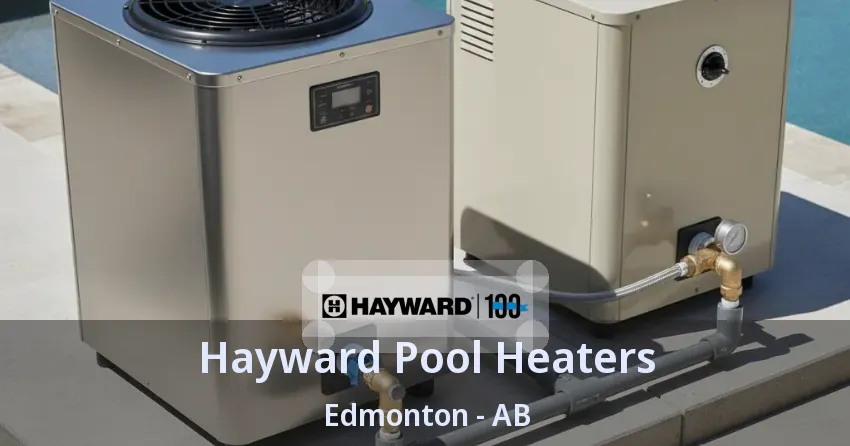
We start with the surface of the water, not its volume, because heat is lost mostly at the top. Then we ask how the pool is used. If you want quick warm-ups on cool evenings, you need more output than someone who maintains one temperature all summer. Wind exposure, shade, a solar cover and even the temperature of the nights count too. Plumbing, gas line or electric supply must also handle the larger unit, so sizing up is not always as simple as ordering the bigger model. A short site visit gives a clearer answer than any chart.
What do the numbers on a pool heater’s label mean?
The label lists ratings that tell you what the heater can do. For gas models, the input rating is the amount of fuel energy the burner uses each hour, and the output is the portion that reaches the water, which depends on the heater’s efficiency. A larger rating heats the water faster. Heat pumps are described by their heating capacity and a coefficient of performance, which compares heat delivered with electricity used. Voltage, amperage and maximum working pressure also appear, and a technician uses them to size wiring and connections. When you compare pool heaters, read these figures alongside your pool’s volume instead of choosing by size or looks alone.
When should you stop using a pool heater and call for service?
It depends on the symptom. A heater that simply heats slowly or shows an occasional code can usually wait for a scheduled visit, as long as it keeps shutting itself off properly. Stop using it right away when you notice a gas smell, soot, scorch marks, sparks, water running from the cabinet, a tripped breaker that returns on reset or any damage to the venting. The pool itself remains fine to swim in while the heater is off. Switching the heater off at the control and the breaker keeps a small fault from becoming a larger one.
How long does it take a pool heater to warm the water?
There is no single answer, because several things set the pace. A large pool holds far more water to heat than a small one, and a bigger heater adds heat faster. Starting temperature, air temperature, wind and sun matter, and an uncovered pool loses heat at the surface even while the heater runs. Gas heaters usually raise temperature faster than heat pumps. Many owners plan to heat well before a swim rather than the same afternoon, then let the heater hold the temperature. Ask about expected warm-up time for your pool when you discuss pool heaters, so your plans match what the equipment can do.
Can a pool heater be repaired in one visit?
Many pool heater repairs are finished in a single visit, particularly when the cause is something like a dirty flame sensor, a clogged flow path, a worn igniter or a tripped safety. Others depend on a part that has to be ordered, which stretches the job across two visits. Diagnosis itself takes time, because the technician needs to watch the heater run through its sequence and test each stage. Older or less common models may need extra searching for parts. Ask for an honest estimate of the visit itself and of any waiting for parts.
What pool heater troubleshooting can you do without a technician?
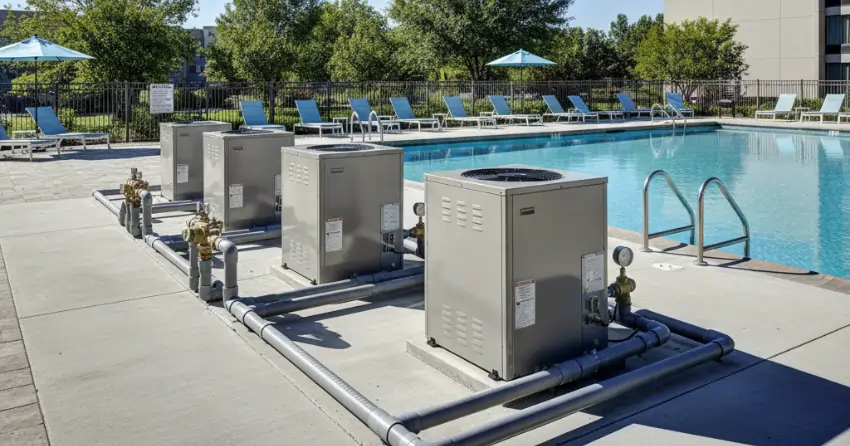
Think of it as a ladder with only the first rungs open to you. Start with settings and power, move to circulation and then look at the surroundings. Take notes on every step: what you changed, what you saw and what happened. Write down any codes. Resist the urge to open panels, spray cleaners into the burner area or press reset repeatedly. The records you gather will help the technician move straight to the likely cause, often shortening the visit, and they show whether the trouble is constant or comes and goes.
What water readings protect a pool heater?
A heater is the one piece of equipment that heats the chemistry too, so it works as an early warning for water that is out of balance. Hot surfaces make scale form faster, and hot, acidic water corrodes faster. We often learn more from the inside of a heater than from the test strip. Bring your water test results when you book a visit. Keep in mind that shock treatments, very fresh fills and big swings in sanitizer all stress the exchanger, so slow, steady adjustments are kinder to it.
How can you tell if a pool heater quote is reasonable?
Line the quotes up by diagnosis first. One technician may propose a new control board because the heater will not start, while another tested the pressure switch and found the real cause was a small part. Ask each company how it reached its conclusion and what it measured. Then compare what is included: the visit fee, the part, the leak and function test, and the time to get the part. The quote with the clearest reasoning, not simply the lowest figure, is usually the one worth trusting.
Does a nearby company make a difference for your pool heater?
Pool equipment around Edmonton tends to follow patterns: popular models, similar pad layouts, local water chemistry and local rules about gas and permits. A company that works here regularly has met most of those situations before. Calling Gas Fireplace Edmonton connects you with people who expect to see your heater again, which encourages careful work the first time. Distance matters in practical ways too, such as how soon a replacement part can be fitted and how easily a question can be answered after the visit.
A photo can save a trip
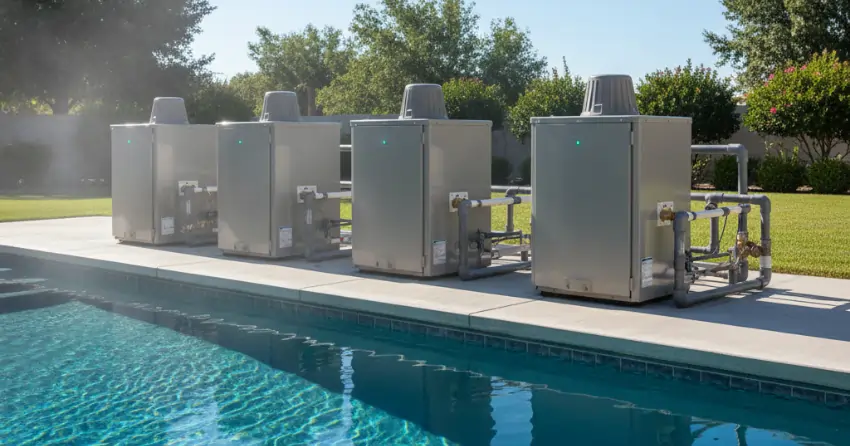
If you can safely snap a picture of what worries you, mention it when you get in touch. It helps the technician bring the right tools and plan the visit. Reach out to Gas Fireplace Edmonton and we will tell you how to share it.
