




























Moving into a home with a gas fireplace often comes with no manual, no service history and a remote nobody can find. Plenty of owners in Edmonton start from exactly there. Whatever brought you to a search for “HearthStone gas fireplace repair”, the questions on this page are the ones homeowners raise again and again about gas fireplace troubleshooting and repair, answered the way a technician would explain them while kneeling in front of your fireplace, safety steps included.
Can a gas fireplace give off carbon monoxide?
It can, and that possibility is why we treat venting and flame quality as safety checks rather than cosmetic ones. A sealed direct-vent unit draws its air from outdoors and pushes exhaust back out, so room air stays separate as long as the glass seal and vent joints are sound. Trouble starts when a vent cap is blocked, a pipe joint separates or the flame is disturbed enough to burn poorly, which often shows up as soot. During service we inspect those points and watch how the fire burns. We also remind every household to keep carbon monoxide alarms working, because they catch what nobody can see.
Can a gas fireplace run on either propane or natural gas?
The two fuels run at different pressures through different-sized parts, so a fireplace set up for one can use the other only after a proper conversion. Propane needs the higher pressure and smaller burner orifices, and not every model has a conversion kit. On the job, we look for the label stating which fuel the unit is set for and confirm it matches the supply. With propane, we also ask about the tank, the regulator and whether the supply has ever run empty, since air in the line can make relighting stubborn. Most repairs, such as cleaning a pilot or replacing a sensor, look much the same for both fuels.
What can stop a remote from controlling your gas fireplace?
Most remotes that stop working have a simple cause, usually power or pairing, and remote complaints are among the most frequent calls we get. Receivers are often tucked into the warm space under the firebox, and their batteries drain faster there than people expect. A handheld that was dropped, or fresh batteries inserted the wrong way round, can also lose its link. We check battery voltage at both ends, confirm the receiver switch setting and resynchronize the pair. If that fails, we test whether the valve responds when the receiver is bypassed, which tells us whether the fault lies in the remote system or in the fireplace itself. Sometimes a worn receiver simply needs replacing.
Why is there a delay between pressing the button and the fire lighting?
A short delay is normal on many fireplaces with electronic ignition, because the system first proves the pilot before opening the main burner valve. That sequence often takes a few seconds and may include clicking. A delay that grows longer over time, many clicks before lighting or a soft whoomp when the burner catches suggests a problem: weak batteries, a dirty igniter or pilot, or a flame sensor that is slow to confirm the flame. On some remote systems, a weak handheld signal adds a pause too. Note how long the delay lasts and whether it has changed, and share that when you book a visit.
Why won’t my gas fireplace light?
A fireplace that will not light has a break somewhere in the chain of signal, spark, pilot and main burner, so we check those links in that order. A surprising number of no-start calls end with fresh batteries in a receiver hidden behind the lower panel. Next we watch for a spark or a glowing igniter; clicking with no flame often points to a dirty or misaligned igniter, or to gas not reaching the pilot. If the pilot lights but the burner never follows, the sensor or the valve may be at fault. Every step after the remote, the wall switch and the batteries involves gas components, so that part of the checking should be left to a technician.
Can the logs in your gas fireplace be moved or replaced?
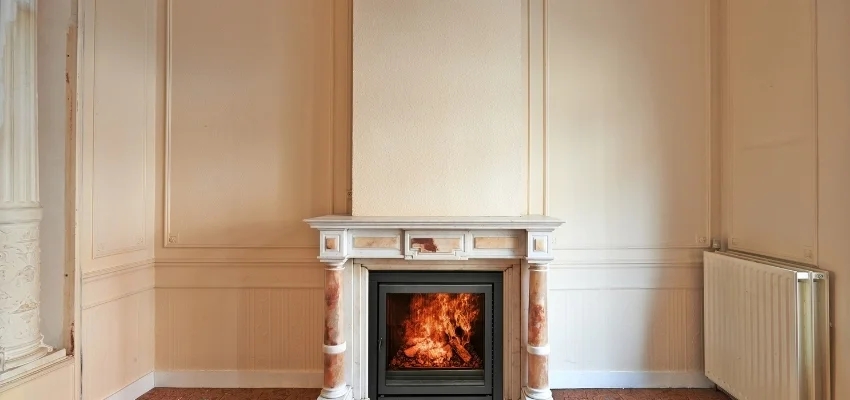
Gas fireplace logs should be arranged exactly as the manufacturer’s diagram shows, because each log is shaped and placed to sit clear of specific burner ports. The diagram is usually in the owner’s manual, and many logs have notches or pins that match marks on the grate. Moving a log even slightly can push flames into it, which leads to soot and poor burning. The same goes for embers and decorative media: a thin layer in the right spots looks good, while too much can block the gas flow. If a log is cracked, crumbling or missing, ask for a replacement made for your model.
Do gas fireplace repairs need parts from the original manufacturer?
For gas control parts, the safest approach is to use the part the manufacturer specifies for that model. Valves, pilot assemblies, burners, glass and gaskets are matched to the design and fuel of the fireplace, and substitutes can affect safety and combustion. Some components, such as universal remotes on simple systems, can be suitable, but a technician should decide where that is acceptable. Older or discontinued models sometimes have approved replacement parts from the maker. Ask any company quoting your “HearthStone gas fireplace repair” which parts it plans to use and why.
How often should a gas fireplace be serviced?
Once a year suits most of the fireplaces we see, and what we find during each visit fine-tunes that. If we pull a lot of dust and pet hair from the burner area, the household may benefit from a second check partway through the season. If the unit is barely used and comes back clean, yearly is plenty. What we discourage is waiting until something breaks, because by then a weak sensor has usually been failing for a while. A short log taped inside the access panel, listing each visit and any parts replaced, shows at a glance how the fireplace is aging.
Is it safe to use a gas fireplace that needs repair?
It depends on the symptom, but when in doubt, leave the fireplace off until it has been checked. Stop using it right away if there is a gas smell, black soot, a carbon monoxide alarm, cracked glass, flames escaping the firebox or a pilot that keeps going out. For a gas smell, leave the home and call the utility from outside. Lesser issues, such as a remote that responds slowly or a noisy fan, are usually fine to live with for a short time. Do not open panels or attempt fixes on gas parts while you wait; simply keep the area clear and your carbon monoxide alarms working.
A photo can save a trip
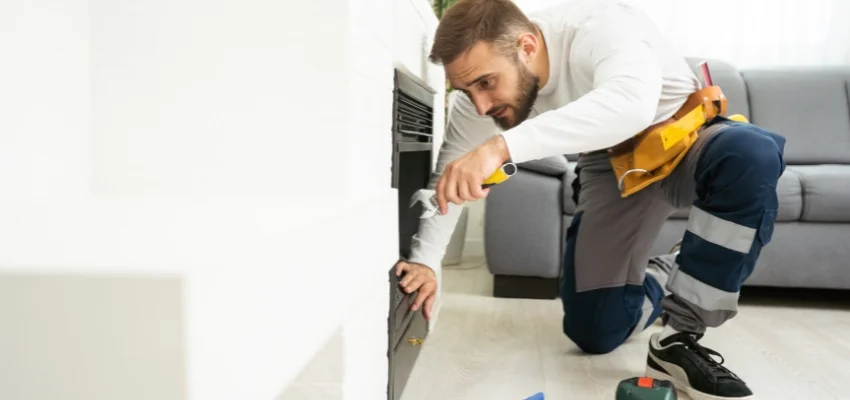
If you can safely snap a picture of what worries you, mention it when you get in touch. It helps the technician bring the right tools and plan the visit. Reach out to Gas Fireplace Edmonton and we will tell you how to share it.
