

































HVAC equipment works hardest at the two ends of the year, and that is usually when small problems turn into big ones. A little attention before each season goes a long way. For homeowners in Edmonton who looked up “heat pump service”, the answers below cover heat pump service in everyday language, from the signs worth noticing to what happens during a visit and how to keep things running between appointments.
Is regular maintenance worth it for HVAC equipment in Edmonton?
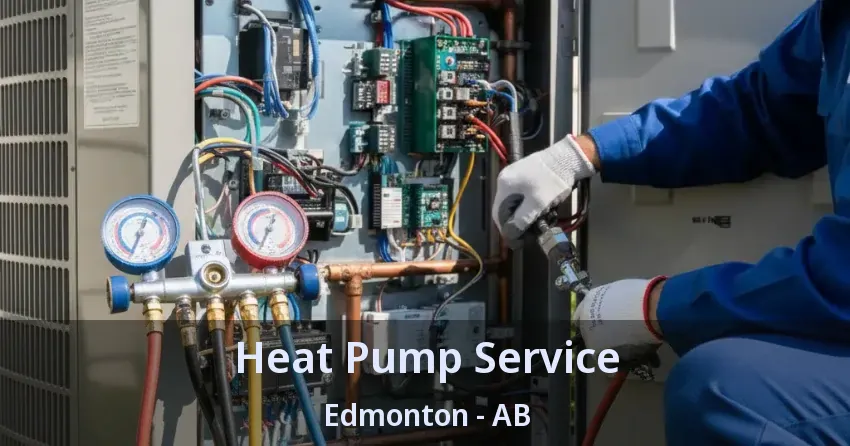
Regular maintenance matters because small problems in HVAC equipment, such as a clogged filter, a dirty coil, a loose wire or a weakening part, are easier and less costly to fix before they cause a breakdown. A routine visit cleans and checks the parts that wear, confirms the equipment starts and runs as it should and catches safety issues on gas appliances. Well-kept systems tend to run more smoothly, keep rooms more even and last longer. Many homeowners schedule care before the heating season and again before the cooling season, so the equipment is ready when it is needed most.
Why is there steam or ice on the outdoor unit in winter?
Some frost and a puff of steam are normal. When a heat pump heats in cold, damp weather, frost builds on the outdoor coil, so the unit periodically runs a defrost cycle: it briefly reverses, the fan stops and the melting frost vaporizes as steam. That usually lasts a few minutes. It is a concern when the unit stays encased in ice, the cycle never ends or the home stops warming. Snow, leaves and blocked airflow can also cause icing. Clear loose debris by hand with the power off, never chip ice with a tool, and have a technician look at persistent icing.
Why is there water by the indoor unit when the AC runs?
Ice on an air conditioner usually comes from too little airflow across the indoor coil, while water around the indoor unit usually comes from a blocked condensate drain. A clogged filter, closed vents or a failing blower lets the coil get cold enough to freeze, and as that ice melts it can overflow the drain pan. Algae and debris can also block the drain line on their own. If you see ice, switch the system off, run the fan alone to help it thaw and replace the filter. Mop up any water and keep the system off until the drain is cleared. Ice that keeps coming back needs a technician.
Why is the AC blowing warm air?
An air conditioner blowing warm air is most often dealing with a settings problem, restricted airflow or an outdoor unit that is not running. Check that the thermostat is set to cool and the fan to auto, and replace a dirty filter. Go outside and see whether the outdoor fan spins while the system runs; if not, a breaker may have tripped, or a capacitor, contactor or motor may have failed. A frozen indoor coil, a dirty outdoor coil or a leak in the sealed cooling circuit can also cause it. Beyond the thermostat, the filter and the breaker, leave the diagnosis to a technician.
What does installing your heat pump involve?
A ductless mini-split is installed by mounting the indoor unit high on a wall or in the ceiling, setting the outdoor unit on a pad or bracket and connecting the two through a small hole in the wall. That hole carries the line set, a control wire and a condensate drain, often hidden in a cover running down the outside wall. The outdoor unit needs its own electrical circuit and disconnect. Once everything is connected, the lines are tested for leaks and the system is started up and checked. A single-room system often takes about a day; multi-room setups take longer.
How often should HVAC equipment be serviced?
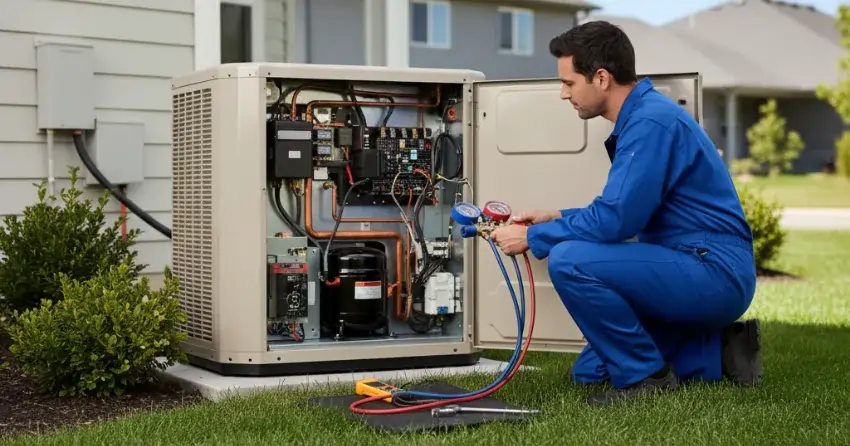
A common guideline is to have heating equipment checked once a year before the cold season and cooling equipment once a year before the warm season. Heat pumps and mini-splits, which work in both seasons, often benefit from two visits a year. Homes with pets, heavy use, dusty conditions or older equipment may need more attention. Between visits, the most useful habit is changing or cleaning filters on schedule. If your system has gone a few years without a check, a visit now gives you a baseline and a clear picture of anything that is wearing.
When is the right time to book your heat pump service visit?
Schedule cooling maintenance in spring and heating maintenance in fall, before each system faces its busiest season. That timing lets the technician find worn parts while the weather is mild, and appointments are usually easier to get than during a heat wave or the first cold spell. Heat pumps and mini-splits that work year-round benefit from a visit before each season. If you missed the window, a mid-season visit is still worthwhile. Tying maintenance to a fixed reminder, such as a clock change or the start of the school year, makes it easier to remember.
When does a heat pump switch to backup heat, and is that a problem?
It is normal for backup heat to run now and then. Auxiliary heat, usually electric strips or a gas furnace, turns on when the outdoor temperature is too low for the heat pump to keep up, during defrost cycles or when the thermostat asks for a big temperature jump. Frequent or constant backup operation is the thing to watch, especially in mild weather, because it can point to a refrigerant, airflow or control problem and it uses more energy. Ask your technician how your thermostat shows backup operation, and keep an eye on any rise in the electric bill.
How much clear space does an outdoor air conditioner need?
Give it room to breathe and the rest gets easier. The condenser pulls air in through its sides and blows heat out of the top, so a hedge growing into the fins or a grill parked against it makes the whole system work harder. Spring visits often mean cleaning coils matted with grass, pollen and lint from a nearby dryer vent. You can help by keeping plants trimmed back, clearing leaves after storms and keeping dogs from marking the unit, which corrodes the fins. If the unit has settled and tilted on its pad, mention it, because a level base protects the parts inside.
Ready when you are
Whether you want to book now or just gather information first, we are glad to help. Ask your questions about heat pump service, your heat pump or the timing that suits you. Contact Gas Fireplace Edmonton for homes across Edmonton.
