






























Furnaces, air conditioners and heat pumps attract strong opinions, from neighbors who replace everything early to others who run equipment until it quits. Most homes in Edmonton do well somewhere in the middle, with decisions based on what the system is actually doing. This page answers common questions about heating and cooling service for anyone who typed “heating and air conditioning” and wants straight facts before deciding what to do.
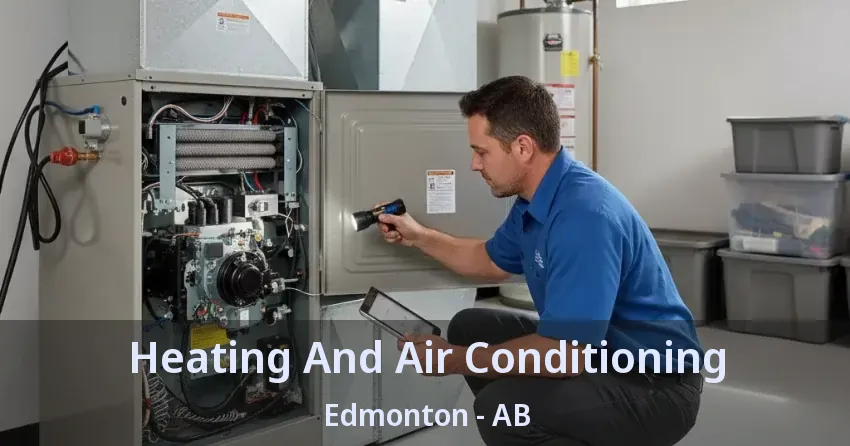
How does central air actually cool a home?
It moves heat rather than making cold, and once you picture that, most AC problems make sense. Indoors, the evaporator coil works like a sponge for heat and humidity, which is why it drips water into a drain pan and why a clogged filter starves it of air until it freezes. Outdoors, the condenser has to dump that heat, so leaves, grass clippings and dirt packed into its fins make the whole system struggle. The compressor, the fan motors and the capacitors that start them are the parts we see wear out most. Keeping air moving across both coils is half of good AC care.
What causes ice or water around your heating and cooling system?
Ice on an air conditioner usually comes from too little airflow across the indoor coil, while water around the indoor unit usually comes from a blocked condensate drain. A clogged filter, closed vents or a failing blower lets the coil get cold enough to freeze, and as that ice melts it can overflow the drain pan. Algae and debris can also block the drain line on their own. If you see ice, switch the system off, run the fan alone to help it thaw and replace the filter. Mop up any water and keep the system off until the drain is cleared. Ice that keeps coming back needs a technician.
Which sounds from your heating and cooling system are a warning sign?
Strange noises usually point to a specific part, and the type of sound gives a useful clue:
- squealing or screeching often means a worn belt or a failing motor bearing;
- rattling suggests a loose panel, a loose screw or debris in a fan;
- a loud bang when a gas furnace lights can mean delayed ignition;
- grinding, endless clicking or a constant buzz can point to motor or electrical trouble.
Switch the system off if a noise is loud or new and comes with a burning smell, and have it checked rather than waiting for it to fail.
Why does the air from the vents feel warm with the AC on?
Warm air tells us heat is not leaving the house, so the outdoor unit is the first stop. If its fan and compressor are silent while the indoor blower runs, the usual suspects are a failed capacitor, a burned contactor or a tripped disconnect. If everything runs but the air is still warm, we look at the coils: an indoor coil buried in ice, an outdoor coil packed with dirt and cottonwood, or a problem in the sealed circuit that needs proper diagnosis. Dirty filters cause a surprising number of these calls. Keep the system off if the indoor coil is iced, and let it thaw before anyone tests it.
How is a gas furnace checked for safety?
A furnace inspection checks that the furnace lights reliably, burns cleanly, vents safely and moves air properly. The technician typically examines the burners, igniter and flame sensor, inspects the heat exchanger for cracks or corrosion, tests the limit and pressure switches, checks the venting from the furnace to its exit and measures the temperature rise across the furnace. The blower, filter, wiring and thermostat are checked too, and on many visits combustion or carbon monoxide readings are taken. Anything that affects safety should be explained clearly before the technician leaves.
Should the furnace and air conditioner be replaced at the same time?
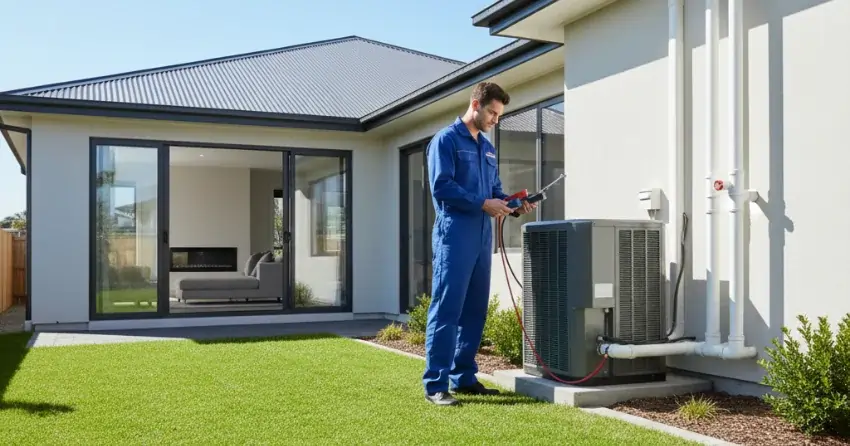
Not always, but it is often worth considering. The two share the blower, the ducts and, in many systems, a coil designed to match both, so replacing only one can leave a mismatch. If both are of similar age, doing them together usually costs less than two separate projects and gives you a matched system. If one is fairly new and in good shape, replacing only the failed unit can be reasonable, as long as the installer confirms the parts work well together. Ask for both options when you request quotes for heating and cooling service.
How should you switch the system from heating to cooling each season?
Make the switch on a mild day, before you really need it. Change the thermostat mode, replace the filter and turn off a furnace humidifier for the summer if you have one. Check that the outdoor unit is uncovered and clear of debris, then run cooling for a while and confirm cool air and normal sounds. In the fall, reverse the process: switch to heat, expect a brief dusty smell on the first run and test carbon monoxide alarms. Testing early gives you time to book “heating and air conditioning” help before the first heat wave or cold snap.
Which furnace jobs should homeowners never attempt?
Your role is to keep the furnace supplied with clean air and surrounded by nothing that can burn; everything behind the panels belongs to a qualified gas technician. Furnaces boxed in by storage are a common sight, with paint cans and laundry piled against the cabinet, and closets where a louvered door was swapped for a solid one, which can starve the burners of combustion air. Outside, the plastic vent and intake pipes on newer furnaces can be blocked by snow, nests or landscaping. Keep them clear, test the carbon monoxide alarms and change the filter. Never relight, clean or adjust anything near the gas valve or burners.
What should you compare between two HVAC quotes?
Lay the quotes side by side and line up the pieces, because that is where the real differences hide. One installer may include new ductwork transitions, a pad, a thermostat and haul-away; another may list only the equipment. One may have measured the house while another simply matched the old unit. For repairs, a second opinion should land on the same failed part; if it does not, ask both to explain. Price matters, but clarity matters more. The company that answers your follow-up questions patiently is usually the one that will pick up the phone after the job.
Two minutes to a clear next step
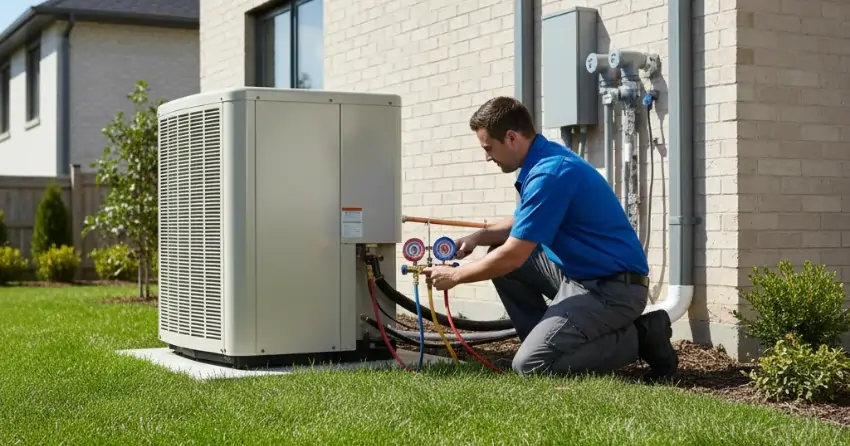
Tell us your address in Edmonton, what you have noticed and when you are usually home. That is all we need to plan heating and cooling service around your schedule. Send the details and the Gas Fireplace Edmonton team will reply with options and a price.
