






























Furnaces, air conditioners and mini-splits rarely fail without warning. They tend to run longer, sound different or leave one room behind the others for a while first. Noticing those changes early gives you more options. If a search for “heating and cooling” brought you here, this page explains HVAC service for homes around Edmonton in a calm, straightforward way, so you can judge how soon to act.
What parts make up a typical home HVAC setup?
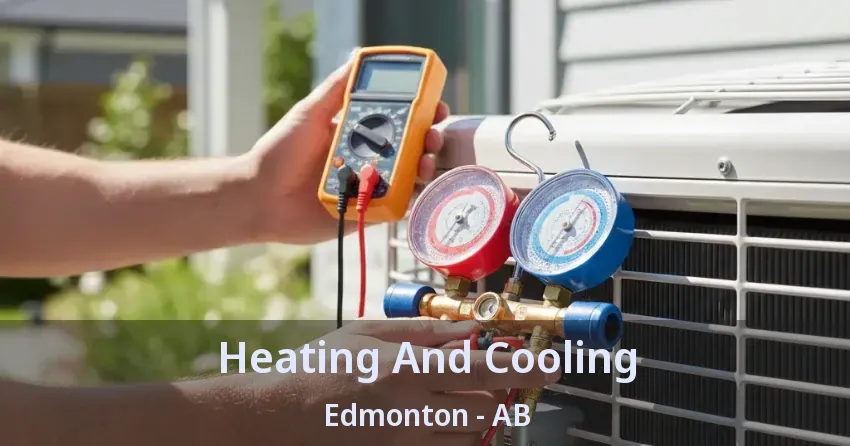
Most homes with central systems have a furnace or air handler indoors, an outdoor air conditioner or heat pump, an indoor coil, a network of supply and return ducts, filters, registers and a thermostat that coordinates everything. Some homes add a humidifier, an air cleaner or zoning dampers. Homes without ducts often rely on ductless mini-splits, boilers with radiators or baseboard heaters instead. Knowing which parts you have makes it easier to describe a problem and understand a quote. If “heating and cooling” is your search, start by noting what is in the basement, closet or attic and outside.
How does central air actually cool a home?
A central air conditioner cools a house by moving heat from indoor air to the outdoors. Warm air from the rooms is pulled through return ducts and across a cold indoor coil, usually sitting on top of the furnace or air handler. The coil absorbs heat and moisture, and the blower pushes the cooled air back through the supply ducts. The heat collected indoors travels through copper lines to the outdoor unit, where a compressor and a large fan release it outside. Because it also removes humidity, a well-working system makes rooms feel more comfortable as well as cooler.
What should you do if the furnace smells like gas?
If you smell gas, often described as rotten eggs, leave the home right away with everyone inside and call your gas utility from outside. Do not switch lights, appliances or the thermostat on or off, and do not use a phone until you are outdoors. A dusty, burning smell early in the heating season is usually dust burning off and should fade. A persistent electrical or hot-plastic smell means the furnace should be turned off at the thermostat and checked. A smell like exhaust can mean flue gases are escaping: turn the furnace off, and if anyone feels headachy, dizzy or sick, or an alarm sounds, get everyone outside and call for help. Keep carbon monoxide alarms working, since that gas has no smell.
What makes your HVAC system blow warm air instead of cold?
Warm air tells us heat is not leaving the house, so the outdoor unit is the first stop. If its fan and compressor are silent while the indoor blower runs, the usual suspects are a failed capacitor, a burned contactor or a tripped disconnect. If everything runs but the air is still warm, we look at the coils: an indoor coil buried in ice, an outdoor coil packed with dirt and cottonwood, or a problem in the sealed circuit that needs proper diagnosis. Dirty filters cause a surprising number of these calls. Keep the system off if the indoor coil is iced, and let it thaw before anyone tests it.
Why is there water by the indoor unit when the AC runs?
Both problems trace back to the indoor coil and what happens to the moisture it pulls from the air. In normal operation, water drips from the coil into a pan and runs down a drain line to a floor drain or outside. When the line clogs with slime, the pan fills and spills, and some systems have a float switch that shuts the AC off to protect the ceiling below. Ice is different: the coil gets too cold because air is not crossing it, or because of a problem in the sealed circuit. We clear the drain, check airflow and find the reason behind any icing before restarting.
How often should you change the HVAC filter?
Many standard disposable filters are changed every one to three months, but the right interval depends on the filter type, the season and the home. Thin fiberglass filters clog quickly, while thicker pleated or media filters last longer. Homes with pets, smokers or renovation dust may need more frequent changes. Ductless mini-splits have washable filters in each indoor unit that are typically rinsed every few weeks during heavy use. Check the filter monthly at first and note how quickly it gets dirty. Always match the size printed on the old filter and point the airflow arrow the right way.
How can you look after your HVAC system between inspections?
Between visits you can safely change the filter, keep the area around the furnace clear and watch for warning signs; burners, ignition parts, gas valves and venting must be left to a qualified gas technician. Keep paint, gasoline, cleaning products and laundry well away from the furnace. Make sure air openings in the furnace room are not blocked, and that the outdoor vent and intake pipes, if your furnace has them, are clear of leaves and snow. Test carbon monoxide alarms monthly. Pay attention to new noises, smells or short cycles, and call for service rather than investigating inside the cabinet.
Does closing vents in unused rooms save energy?
Usually not with a central system. The blower keeps pushing the same air, so closing registers mostly raises pressure in the ducts, increases leakage elsewhere and can starve the equipment of airflow, which may freeze an AC coil or overheat a furnace. A room or two partly closed rarely causes harm, but closing many is a common cause of comfort and equipment problems. Zoning systems with motorized dampers, or a ductless unit for a rarely used area, are better ways to control separate rooms. Ask about them when you look into “heating and cooling” options for your home.
How should you take care of the outdoor AC unit?
Give it room to breathe and the rest gets easier. The condenser pulls air in through its sides and blows heat out of the top, so a hedge growing into the fins or a grill parked against it makes the whole system work harder. Spring visits often mean cleaning coils matted with grass, pollen and lint from a nearby dryer vent. You can help by keeping plants trimmed back, clearing leaves after storms and keeping dogs from marking the unit, which corrodes the fins. If the unit has settled and tilted on its pad, mention it, because a level base protects the parts inside.
Fair advice, whatever you decide
Sometimes the right call is a small fix, sometimes a bigger job and sometimes nothing at all. We tell you which one applies to your HVAC system and why. Ask Gas Fireplace Edmonton for advice and decide in your own time.
