

































Ask around about home comfort systems and you can quickly drown in jargon. This page keeps it simple. It answers the questions people in Edmonton ask most often after searching for “HVAC installation”, the way a patient technician would at your kitchen table: what is likely going on, what affects the work and what you can do to help your system along.
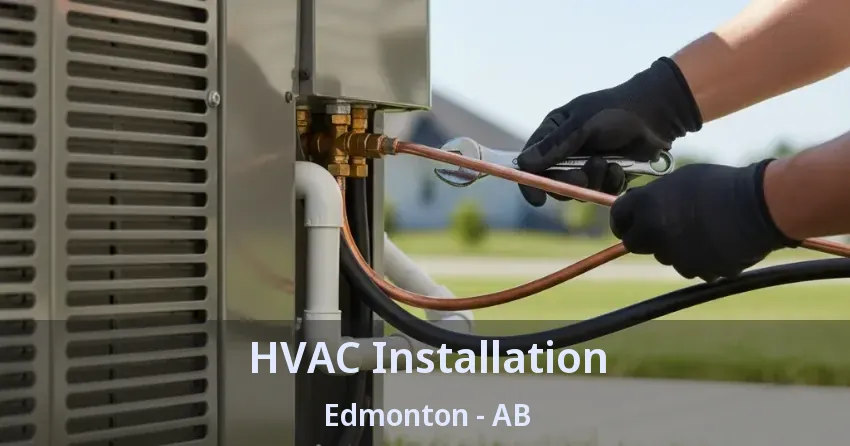
How do installers decide what size of new system a house needs?
Sizing should come from a load calculation, not from the label on the old unit. The house tells us what it needs: how well the attic and walls are insulated, how much glass faces the afternoon sun, how leaky it is and how the ducts are laid out. Plenty of older systems were oversized from the start, and swapping in the same size repeats the mistake. Too big means short, noisy cycles and clammy rooms in summer; too small means a system that never catches up. If a quote names a size without anyone measuring windows or asking about insulation, ask how the number was chosen.
How do ductless mini-splits heat and cool without ducts?
The trick is that each room gets its own air handler, mounted high on a wall or tucked into a ceiling, and a set of insulated copper lines carries heat to and from the outdoor unit. Nothing travels through ducts, which is why mini-splits are so often chosen for sunrooms, additions and bonus rooms that a central system never reached well. The indoor heads run quietly and adjust their speed to the load. What they need in return is regular attention to the washable filters and the indoor coil, since a mini-split head recirculates the air of one room all day long.
Should the ductwork be checked before a new HVAC installation?
Yes. New equipment depends on the ducts to deliver its air, and many older duct systems are undersized, leaky or poorly balanced. A technician can measure static pressure, look for disconnected or crushed sections and check that return air paths are large enough. If the ducts restrict airflow, a new system may run noisily, heat or cool unevenly and wear out early. Sometimes simple sealing or an added return solves it; other times part of the ductwork needs replacing. Ask any company quoting “HVAC installation” work how it assessed the ducts.
What are the signs it is time for a new HVAC system?
The clearest signs are frequent repairs, rising energy bills and rooms that stay uncomfortable even after service. Other reasons to start planning include equipment near the end of its expected life, parts that are hard to find, a cracked furnace heat exchanger, noisy or struggling operation and a home that has changed, such as an addition or new windows. A system that was badly sized from the start may never perform well. Planning ahead lets you compare options calmly instead of replacing in a rush during a heat wave or cold snap.
How much work does adding a mini-split to a room take?
A ductless mini-split is installed by mounting the indoor unit high on a wall or in the ceiling, setting the outdoor unit on a pad or bracket and connecting the two through a small hole in the wall. That hole carries the line set, a control wire and a condensate drain, often hidden in a cover running down the outside wall. The outdoor unit needs its own electrical circuit and disconnect. Once everything is connected, the lines are tested for leaks and the system is started up and checked. A single-room system often takes about a day; multi-room setups take longer.
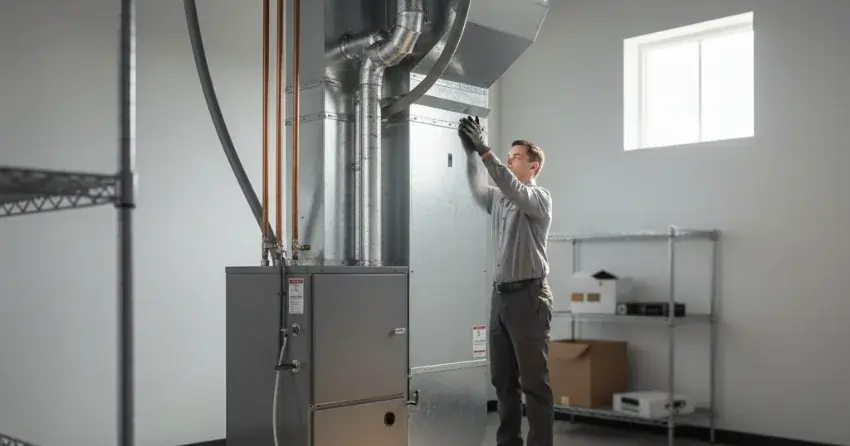
What steps go into installing your new heating and cooling system?
Most of the day is careful connection work. Floors get covered, power and gas get shut off and the old equipment comes out without damaging walls or ducts. The new unit is leveled and set, then connected piece by piece: ductwork transitions sealed, line sets or gas lines joined and tested, venting run to its exit, drains sloped and wiring landed. Startup follows the maker’s procedure, with temperatures, airflow and gas pressures measured where they apply. The last step is the homeowner walkthrough, covering the thermostat, the filter location and what normal sounds and cycles will feel like for the first few days.
What affects the cost of a new HVAC installation?
The cost of a new installation depends on the type and size of equipment, the condition of what it connects to and how much the job changes. A like-for-like swap in an easy basement is simpler than a system that needs new ductwork, a new line set, electrical upgrades, venting changes or a new location. Ductless systems vary with the number of indoor units. Removal and disposal of old equipment, permits where required, thermostats and accessories such as humidifiers also affect the total. A written quote that lists each item helps you compare offers fairly.
Is there a good time of year for HVAC installation?
The quieter shoulder seasons, spring and fall, are often the easiest times. Installers tend to have more open dates, the house stays comfortable while the system is off for a day and you have time to compare quotes without pressure. Replacing equipment after it fails in a heat wave or cold snap often means fewer choices and longer waits. If your system is aging or has needed several repairs, planning an “HVAC installation” project for a mild season gives you the most control over equipment, timing and budget.
What should you ask an installer before choosing your new heating and cooling system?
Ask about the house before you ask about the brand. Find out how they arrived at the size, what they will do about ducts that are undersized or leaky and whether the electrical service or venting needs changes. Ask who will be on site and whether the person who quoted will check the work. Ask how they handle startup, which should include measurements rather than just switching it on. Finally, ask what happens if something is not right in the first few weeks. A company proud of its installations answers all of this easily.
See the whole picture
A good visit looks at the whole system around your heating and cooling system, not just the part you asked about. That is how Gas Fireplace Edmonton approaches every home in Edmonton. Book heating and cooling installation and get a complete, honest overview of where things stand.
