

































Advice about pool heaters tends to arrive secondhand, from a neighbor with a different model, a forum thread about another climate or a video that skips the safety steps. That is a poor basis for decisions about gas, power and plumbing. This page sticks to what applies to most residential heaters, for owners in Edmonton who searched for “indoor pool heater repairs”, and it explains indoor pool heater repairs clearly enough that you can judge any advice you get.
How do pool heaters protect against overheating and fuel problems?
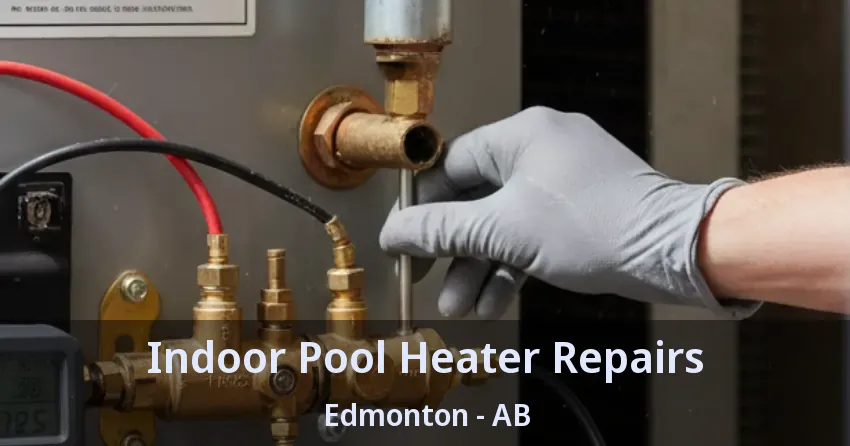
Pool heaters are built with layers of protection, and when they are installed correctly and kept in good condition they run safely for many seasons. Typical safeties include a flow or pressure switch that blocks heating without water movement, a high-limit sensor that shuts the unit down if temperatures climb, and on gas models a flame sensor that closes the gas valve if no fire is detected. Gas heaters belong outdoors or in rooms approved for them, with clear space around the cabinet. Never bypass a safety device. A heater that keeps tripping one is telling you something needs attention.
What should you know about an indoor pool heater?
With an indoor unit, we pay as much attention to the room as to the machine. Combustion air must reach the burner from a clean source, and chlorine or acid fumes drawn in with it will corrode components quickly, so chemicals should never be stored near the intake. Vent pipes need sound joints, a correct slope and a termination outdoors that stays clear. Condensation on cold surfaces, rust streaks and a musty smell tell us that humidity is winning. An indoor heater is only as reliable as its air supply and its vent, so those get checked first.
Can humid pool room air damage a heater over time?
Yes. Warm, damp air carrying chlorine compounds is hard on metal, which is why heaters inside a pool room often show corrosion earlier than outdoor ones. Rust creeps along the cabinet seams, flue joints, fasteners and electrical terminals, and wet contacts can cause intermittent faults that vanish by the time anyone looks. Good ventilation, a working dehumidification system and keeping chemicals stored elsewhere slow the damage. Corrosion that shows up at a vent joint or on the heat exchanger is a safety matter, not a cosmetic one. Mention what you see when booking “indoor pool heater repairs” so the technician can allow time to inspect it.
Why does my pool heater keep turning on and off?
Timing tells the story. A heater that runs a few minutes and stops every time is being shut off by a safety, usually flow, temperature or flame proving. One that runs longer, rests and repeats is probably just maintaining temperature, especially with a small gap between its on and off points. We also look at the pool control system, because automation sometimes switches the pump or heater off on its own schedule. Fixing the real cause protects the ignition parts, because starts are what wear them out.
What will a technician do when servicing a pool heater?
Each visit opens with a discussion of the symptoms you have seen, followed by a look at the heater’s display, history and surroundings. The technician then checks power and water flow, inspects the cabinet for leaks, scale, corrosion and pests, and tests the controls and safety switches. On gas models that includes cleaning the burner area, testing ignition and flame signals and examining the venting. Heat pumps get coil, fan and electrical checks. The visit ends with a full heating cycle to confirm the unit lights, runs and stops as intended, and you receive a summary of findings.
What decides the price of pool heater repair?
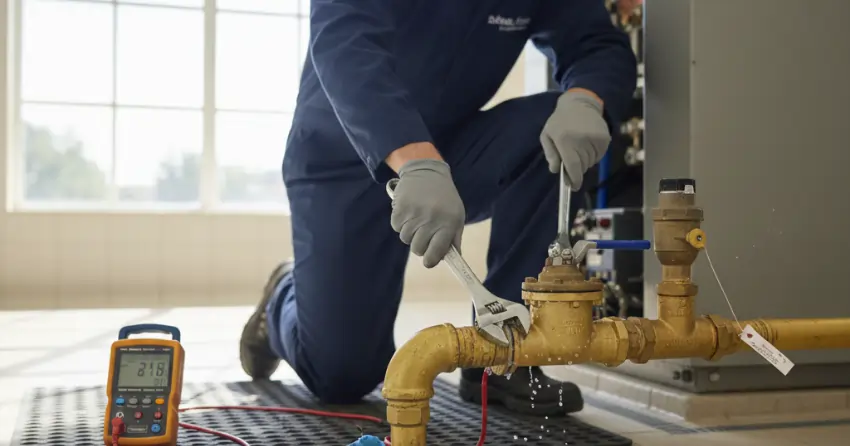
Several factors shape the price of a pool heater repair. The biggest is which part failed, since an igniter or sensor sits at one end of the range and an exchanger, compressor or control board at the other. The make and model matter because some parts are common and others are special order. Diagnosis time, access to the unit, the need for gas, electrical or plumbing work alongside and the distance traveled all contribute. The heater’s age also plays a role in whether repair is sensible. A written estimate with a clear scope lets you compare fairly.
What should be cleared around an indoor pool heater?
Plan for the room as well as the heater. We often work in tight mechanical rooms, so any shelves, boxes or hose reels in the way slow everything down. Ventilation fans and dehumidifiers should be running as normal so we can see how the room behaves, and a moisture meter reading helps if you have one. Please let us know of previous vent repairs, leaks or odors, since those give clues. If the heater can only be reached through a hatch or tight stairway, mention it so we can bring suitable equipment.
What should be kept clear around your pool heater?
A pool heater needs open space on all sides for airflow, venting and service access, and the required distances are listed on its rating plate and in the manual. Keep shrubs trimmed back, avoid stacking boxes or covers against the cabinet and never store fuels, paints or pool chemicals nearby. Gas heaters need a clear path above the flue and heat pumps need unobstructed air in and out. Leaves and grass clippings should be swept away regularly. Crowding the unit causes poor combustion, overheating and a shorter life.
Where should carbon monoxide alarms go around an indoor pool heater?
Follow the heater manual and local rules for exact placement, but the principle is simple: put working alarms where they will catch exhaust that spills into occupied space, including the equipment room or the nearest area people use and the sleeping level if the pool is part of a house. Test them on a schedule, replace batteries and replace alarms at the end of their stated life. If one sounds, do not investigate; leave the building, call for help from outside and keep the heater off until a qualified technician has found the cause. An alarm is a backup, not a substitute for correct venting.
Planning ahead for indoor pool heater repairs
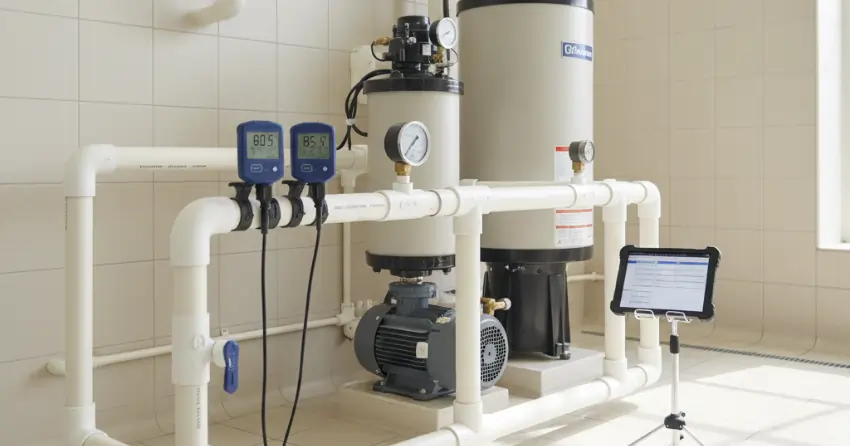
If you already know the work needs doing, booking early gives you more choice of dates and less to think about later. Tell us roughly when you would like the visit in Edmonton and we will hold a time for you. Reserve your visit.
