

































Smoke, soot and heat are hard on masonry and metal, even when everything looks fine from the living room. Most of the wear happens inside the flue, where nobody notices it until a problem shows up. If “inspect fireplace” is what brought you here, this guide walks homeowners in Edmonton through fireplace inspection in practical terms: what to watch for, what a visit involves and how to keep your fireplace in good working order.
How does creosote form inside a chimney?
Creosote is unburned fuel: tiny droplets of tar and gas that leave the fire, cool on the way up and stick to the flue walls. We grade it by texture on every job. A light, powdery coat brushes away easily. A thicker, flaky or bubbly layer takes more effort and tells us fires are running cool or the wood is wet. A glossy, glazed coating is the one that concerns us, because it is stubborn to remove and burns intensely if it catches. Where we find heavy deposits, we talk through wood and burning habits, since changing those is what slows the next round of buildup.
What do white stains on a chimney mean?
White, chalky stains on brick are usually efflorescence: mineral salts left behind as water moves through the masonry and evaporates. The stains themselves are harmless, but they show that water is getting into the chimney, often through a cracked crown, a missing cap, failing flashing or porous brick. Over time, that moisture can damage mortar, rust the damper and cause brick faces to flake. If those stains are what prompted your search for “inspect fireplace”, mention them when booking, so the visit includes a close look at where the water is entering.
Can you light a fire after years without using the fireplace or stove?
Not until someone has looked inside, because an idle chimney fills up with things nobody can see from the room. On a first visit to a long-unused fireplace or stove, we routinely pull out nests, twigs, leaves and fallen mortar. We also check for animals that may still be living in the flue, a damper rusted shut and flue tiles that cracked while nobody was watching. Then we sweep, run a camera up the flue when needed and walk the homeowner through what we saw. Many of these systems go back into service after a cleaning and a few repairs.
When should a fireplace be inspected?
A common guideline is to have a wood-burning fireplace inspected once a year, ideally before the heating season, plus at a few specific moments. Those include buying or selling a home, after a chimney fire, a lightning strike or a severe storm, before using a fireplace that has sat idle, and when you change how you burn, for example by adding an insert. An inspection also makes sense whenever you notice smoke in the room, odors, water stains or loose masonry. Pairing the yearly inspection with a sweep keeps it to a single visit.
What does a technician check during your fireplace inspection visit?
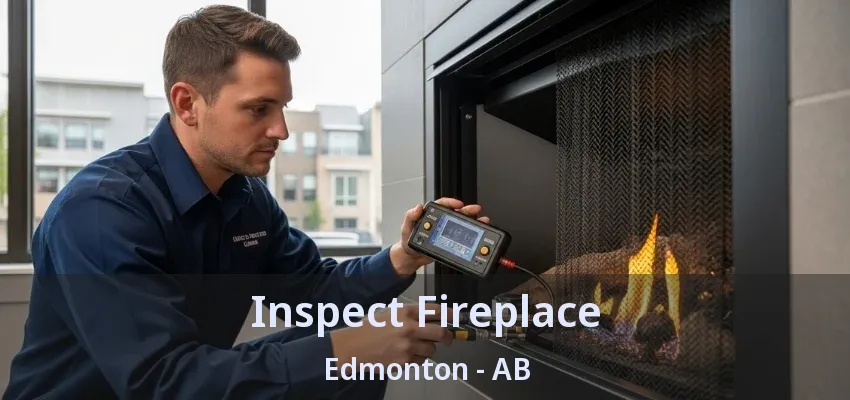
Clean, sound and set up correctly: those are the three verdicts a fireplace inspection should reach. Clean means the level of creosote in the flue and smoke chamber. Sound means the firebrick, mortar, damper, liner, crown and cap are intact, with no cracks or gaps that let heat or smoke escape. Set up correctly covers clearances to mantels, trim and framing, a hearth extension that protects enough floor and a cap that keeps rain and animals out. Where we cannot see, a camera goes up the flue. The report puts each finding in plain terms, with photos.
What affects the cost of cleaning and servicing a fireplace or stove?
Quotes vary because no two chimneys take the same time, equipment or care. A single-story home with a short chimney and light buildup is quick work. A tall or steep roof needs more setup and safety gear. Heavy or glazed creosote takes extra passes and different tools. A camera scan adds time but leaves you with a record of the flue. Findings then become their own items: a missing cap, a damper that will not close or loose firebrick are priced separately. That is why we ask a few questions about your fireplace before giving any figure.
What should you do before your fireplace inspection visit?
Preparing mostly means letting the fire go out and making room. Stop using the fireplace or stove at least a day ahead so everything is cold when the technician arrives. Clear the mantel, move furniture, rugs and decorations a few feet back from the hearth and take down anything hanging nearby. Make sure there is a clear path from the door, and plan to keep pets and children in another room during the work. If the roof will be accessed, unlock gates and move vehicles away from the side of the house where a ladder will go.
What can you safely check on your own fireplace between visits?
You can check quite a bit from the room and the yard without climbing anything. With the fireplace cold, use a flashlight to look at the firebrick and mortar for cracks or gaps, open and close the damper and glance up the flue for debris. Make sure the hearth is intact and nothing flammable sits too close to the opening. From the ground, binoculars show whether the cap is in place and the bricks look sound. These checks do not replace a professional visit, but they show when it is time to search for “inspect fireplace” help.
What happens if a fireplace does not pass an inspection?
It turns into a to-do list: a failed inspection means specific fixes are needed, not that the fireplace is beyond saving. For each finding, we explain where it is, why it matters and how urgent it is, with photos so you can see it yourself. A missing cap or a sticky damper is a minor note. A cracked liner, a firebox with open joints or a mantel too close to the opening is something we ask homeowners not to use the fireplace with until it is fixed. For home sales, the report gives both sides a clear list to work from.
Small issues are easier to handle early
Most problems with your fireplace start small and grow when they are left alone for a few seasons. If something on this page sounded familiar, have it checked while it is still minor. Call Gas Fireplace Edmonton at (587) 853-6668 to arrange a visit in Edmonton.
