

































Think of this page as a reference you can come back to. It covers the parts of owning a gas fireplace that cause the most confusion, from ignition and venting to remotes and routine care, and it explains where the homeowner’s role ends and the technician’s begins. If you landed here by searching for “natural gas fireplace repair” from Edmonton, you will find honest detail about gas fireplace repair and no pressure to book anything.
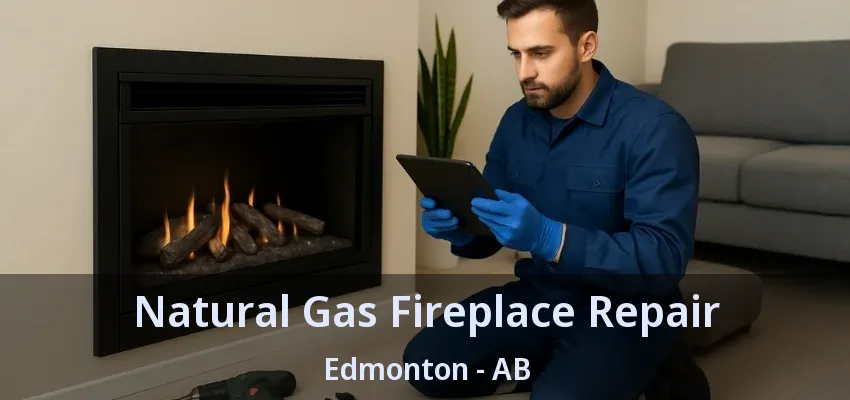
How can you tell if your fireplace runs on natural gas or propane?
The rating plate on the fireplace states which fuel it is set up for, and it is the most reliable answer. It is usually found behind the lower panel or on a tag near the controls. The supply is another clue: natural gas comes through a utility meter, while propane comes from a tank on the property or a delivery service. Your gas bill or propane invoices confirm which one you buy. Never assume or guess, because burning the wrong fuel is unsafe. If the plate is missing or unreadable, a technician can identify the setup during a visit.
How does a gas fireplace work?
A gas fireplace works by sending a measured flow of gas to a burner, where a pilot flame or an electronic igniter lights it behind a glass front or screen. A control valve decides how much gas reaches the burner, and a safety sensor closes that valve if no flame is detected. On most models, a vent carries exhaust outdoors and brings in fresh air for combustion. Ceramic logs, stones or glass media sit on top of the burner to shape the flames. A wall switch, thermostat or remote tells the valve when to open, which is why the fire responds within seconds of the button being pressed.
What is the difference between a propane and a natural gas fireplace?
The main difference is the fuel supply, and a fireplace can switch fuels only with the manufacturer’s conversion kit: natural gas arrives through a utility line, while propane is stored in a tank on the property. The fireplaces look alike, but each one is set up for a single fuel, with burner openings and pressure settings to match. Running a unit on the wrong fuel is unsafe, so a qualified gas technician must fit the conversion parts, and not every model can be converted. Both fuels carry an added sulfur-like smell. Propane is heavier than air and can pool in low spots, so any gas odor means leaving the home and calling your gas utility or propane supplier from outside.
Is a dusty smell from a gas fireplace normal after months off?
Most odors we are asked about at the start of the season come from dust cooking off hot surfaces. Over the warmer months, fine particles settle on the logs, the burner and the heat exchanger, and the first few fires bake them away. What we want homeowners to tell apart is the type of smell. Dust smells like a hot iron or a space heater switched on for the first time in a while. Gas smells like rotten eggs or sulfur. The first is a nuisance that fades within a few uses; the second means getting out of the house and phoning the utility from a safe spot outdoors.
Is black soot in a gas fireplace a sign of a problem?
Black soot on gas fireplace glass or logs means the gas is not burning cleanly, and it is worth having checked. The usual causes are logs that have shifted out of position, too much ember material over the burner, a dirty burner or an air setting that is out of balance. Flames that touch the logs or glass leave dark marks quickly. Because poor combustion can also raise carbon monoxide levels, stop using the fireplace until a technician has looked at it, and make sure your carbon monoxide alarms work. Avoid rearranging logs on your own unless the manual clearly shows how, since placement is specific to each model.
Can the logs in your gas fireplace be moved or replaced?
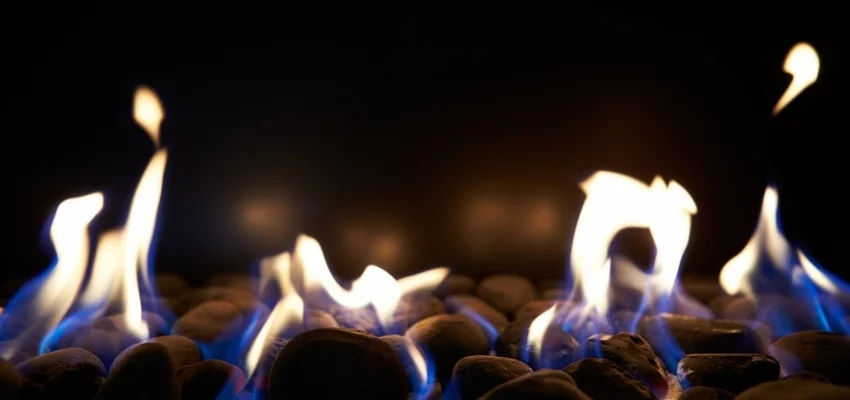
Gas fireplace logs should be arranged exactly as the manufacturer’s diagram shows, because each log is shaped and placed to sit clear of specific burner ports. The diagram is usually in the owner’s manual, and many logs have notches or pins that match marks on the grate. Moving a log even slightly can push flames into it, which leads to soot and poor burning. The same goes for embers and decorative media: a thin layer in the right spots looks good, while too much can block the gas flow. If a log is cracked, crumbling or missing, ask for a replacement made for your model.
Should you repair or replace an old gas fireplace?
Repairing a gas fireplace is usually the sensible choice when the firebox, burner and venting are in good shape and the problem is a replaceable part such as a sensor, igniter or valve. Replacement starts to make sense when parts are no longer available, when repairs keep coming back, or when the firebox is cracked, rusted through or damaged by heat. Some owners also replace an older unit to gain features such as a remote, a thermostat or more heat. Ask the technician to explain the condition of the main components, not only the part that failed, so you can weigh the repair against a new unit.
What happens to a natural gas fireplace after the gas service is shut off?
When the utility shuts off gas to the home, whether for street work or after a leak call, every gas appliance loses its pilot or stops lighting. Once service is restored, appliances with standing pilots need relighting and the system should be checked for leaks. Many utilities relight appliances themselves when they restore service; otherwise, a qualified gas technician should do it. Do not turn the gas back on at the meter yourself. If the fireplace will not light properly afterward, book a “natural gas fireplace repair” visit rather than trying again and again.
What makes a company a good choice for gas fireplace repair?
Pick a company whose technicians work on gas fireplaces regularly and can describe the visit before they start. Ask whether they service your fireplace type and fuel, whether they work on your brand and what a standard visit covers. Expect a written quote, an arrival window that is respected, floors protected and a test burn with you before they leave. Recent reviews that mention clear explanations and tidy work tell you more than a polished advert. Be wary of anyone who skips the leak check, pushes a replacement without showing you the problem or cannot answer basic safety questions.
Know the price before work starts
We agree on the scope and the price before any work begins, and we check in with you if we find something that changes the plan. Request your quote for gas fireplace repair and see exactly what is included for your home.
