

































Buying a home with a pool often means inheriting a heater that nobody has explained: no manual, no service record and a control panel full of unlabeled lights. Plenty of people around Edmonton begin exactly there. Whatever led you to search for “pool heater maintenance”, the answers on this page about pool heater maintenance follow the questions owners ask most, and they tell you what is normal, what deserves a closer look and who should handle each task.
What does a pool heater heat exchanger do?
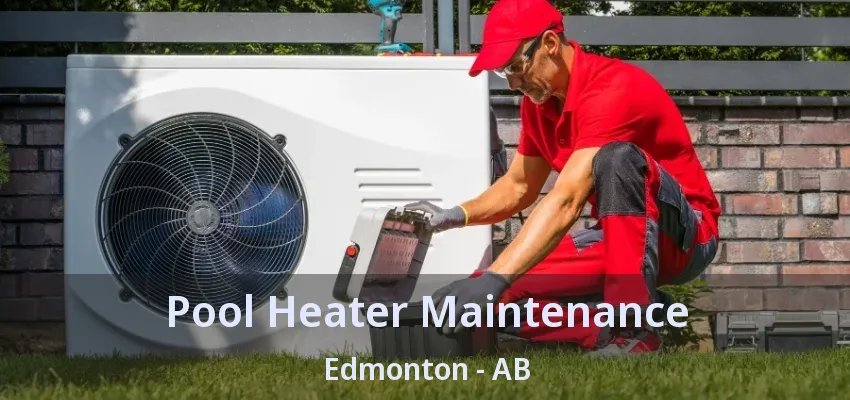
The heat exchanger is the part that transfers heat into the pool water, and it is the heart of every heater. In gas units it is a set of finned tubes sitting above the burners. In heat pumps it is a corrosion-resistant coil or tube bundle that the hot refrigerant gas passes around. In electric heaters the elements play the same role. Because pool water, chemicals and heat all meet here, it is the component most affected by poor water balance. Scale, corrosion and freezing can each damage it, so a heater often lives only as long as its exchanger does.
What checks confirm a pool heater repair worked?
After a repair, the technician runs the heater through a complete cycle, because a part that works for a moment is not proof of a fix. That includes verifying power and flow, watching the start-up sequence, confirming the heat source engages and measuring the temperature rise. Safeties such as the pressure switch and high-limit are checked, and the cabinet is closed up and inspected for leaks once water is circulating. You should hear what failed, what was replaced and what to watch in the next few days.
Why does my pool heat pump ice up?
Frost on the coil of a pool heat pump appears when the air is cool and humid, because the coil runs colder than the air and moisture freezes on it. A light frosting that melts away is normal, and many models include a defrost mode that reverses the refrigerant flow or pauses the compressor while the fan keeps running to melt the ice. Heavy ice that does not clear, or a unit that keeps cycling into defrost, indicates a problem such as poor airflow, a failed defrost sensor or low refrigerant. Do not chip the ice away, because the fins are delicate.
How long can a pool heater be expected to keep working?
A pool heater can last many seasons when it is installed correctly and cared for, but there is no fixed lifespan. Water chemistry is the biggest factor: balanced water protects the exchanger, while acidic or hard water attacks it. Usage, climate, how well the unit is shielded from weather and pests, regular servicing, freeze protection and the quality of the original installation all play a part. Gas, electric and heat pump models wear differently. When repair needs begin to pile up, comparing repair cost with the value of a new unit is a sensible next step.
What should the first startup after winter include?
The first run of the season is a good moment to catch problems. Before the heater fires, the water should be clear, balanced and circulating properly, with drain plugs back in place and any bypass or isolation valves set the way the manual describes. A technician then looks for animal nests, cracks or leaks from freezing, loose connections and rust, and runs the heater through a complete cycle while watching the ignition, the fault display and the temperature rise. Anything found is easier to fix before the first cold swim than after. If “pool heater maintenance” is on your spring list, ask whether the visit includes a full test cycle or only a quick look.

What does a pool heater inspection tell a home buyer?
Buying a house with a pool means inheriting its equipment, and a heater with hidden problems can become an expense soon after moving in. Our inspection for buyers is a calm, structured walk through the unit: we read the rating plate, run a full heating cycle, look for scale, rust and leaks, check the vent and surroundings and note which parts look worn. You receive a plain summary, which you can share with your agent. Schedule it early enough that any findings can be discussed before deadlines pass.
What follow-up is normal after a pool heater is repaired?
A repair earns trust over a few cycles, not a few minutes. We encourage owners to run the heater normally and notice anything unusual: delays before ignition, the heater cutting out, drips or a code. Jot down the date and conditions in case you need to report it. Some fixes need a short settling period, for instance new gaskets that tighten slightly after the first heat cycle, and we will tell you if that applies. Callbacks should be rare, but we would rather hear about a symptom early than late.
What should you do with the heater when it is not needed for weeks?
A heater that sits idle through a warm spell still needs a little attention. Turn the thermostat down or off so it cannot start by accident, and keep the pump running on its normal schedule so water keeps moving through the unit. Keep the cabinet and its air openings clear, because insects settle into quiet equipment quickly. Glance at the pad for leaks and at the cabinet for rust now and then. Before you ask the heater to work again, confirm the pump and filter are in good order and restart it on a low setting. A quick look beforehand avoids discovering a problem on the first cool evening, which is when pool heater maintenance calls pile up.
What is safe to do to clean a pool heat pump?
Heat pump owners can do more for their equipment than they might think. Rinse the coil a few times per season, especially after pollen, cottonwood or lawn work, and check that the fan guard and base are clear. Keep the condensate drain open. Avoid acid-based coil cleaners, which can damage aluminum fins unless the product is made for the job. Never open the electrical or refrigerant sections. If you notice ice, a hissing sound or oily residue on the pipes, switch the unit off and call a technician.
Honest advice before you book
We would rather you book the service you actually need than the biggest package on the list. Tell us what is going on and we will explain what we recommend for your pool heater and why. Call (587) 853-6668 to speak with the team serving Edmonton.
