

































Every pool heater does the same basic job, whatever fuel it uses: water leaves the pool, passes the pump and filter, picks up heat and returns a little warmer. When anything in that loop misbehaves, the heater stalls, locks out or never starts. If “pool heater repair service near me” is what brought you here, the answers below explain pool heater repair for pools around Edmonton in everyday language, including the checks homeowners can make safely and the jobs that belong to a trained technician.
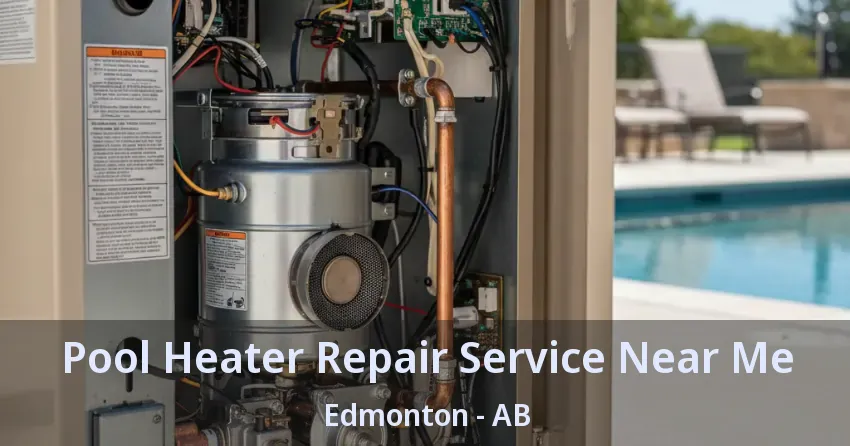
What types of pool heaters are there?
The right type usually depends on how you use the pool. Families who swim a lot in cool months and like quick results often lean toward gas. Owners who keep the water at a steady temperature all season, in a mild climate, often prefer a heat pump. Electric resistance suits spas and small plunge pools where fuel or space is limited. Solar helps almost everyone as a supplement. Gas availability, electrical capacity, equipment pad space and local rules all narrow the choice further, so an on-site look from a technician settles questions that a brochure cannot.
How does low water flow shut down a pool heater?
The pressure switch, sometimes called a water pressure or flow switch, confirms that enough water is moving through the heater before heating is allowed. If the flow is too low, the switch stays open and the heater will not fire, or it shuts off partway through a cycle. Causes include a clogged filter, full baskets, a closed valve, a pump with trapped air or a worn impeller, and a heater whose bypass is set wrongly. Occasionally the switch itself fails or its small connection clogs with scale. Never jumper it, because it protects the exchanger from overheating.
What does a pool heater service visit include?
Each visit opens with a discussion of the symptoms you have seen, followed by a look at the heater’s display, history and surroundings. The technician then checks power and water flow, inspects the cabinet for leaks, scale, corrosion and pests, and tests the controls and safety switches. On gas models that includes cleaning the burner area, testing ignition and flame signals and examining the venting. Heat pumps get coil, fan and electrical checks. The visit ends with a full heating cycle to confirm the unit lights, runs and stops as intended, and you receive a summary of findings.
Why is my pool slow to heat up?
Warm-up time depends on the size of the pool, how many degrees you are raising it, the heater’s output and how much heat is escaping. A gas heater with plenty of capacity can warm a pool in a day or so, while heat pumps work more slowly and steadily, sometimes over several days from a cold start. Wind, night air and an uncovered surface all slow things down. A good cover helps more than most people expect. The manufacturer’s sizing information gives an estimate for your pool, but real conditions always make some difference.
What affects the price of a pool heater repair visit?
Several factors set the final amount, and a clear company explains them before work starts. The first is the diagnosis itself, since finding the fault takes a technician’s time and test equipment. Next is the part: a switch or sensor is a small item, while a control board, gas valve or heat exchanger is a large one. Labor depends on how hard the heater is to reach and how long the job runs. Distance, a second trip for ordered parts and corrections to nearby plumbing or wiring can add to it. Ask for the diagnostic charge, the part price and the labor listed separately so you can compare quotes fairly.
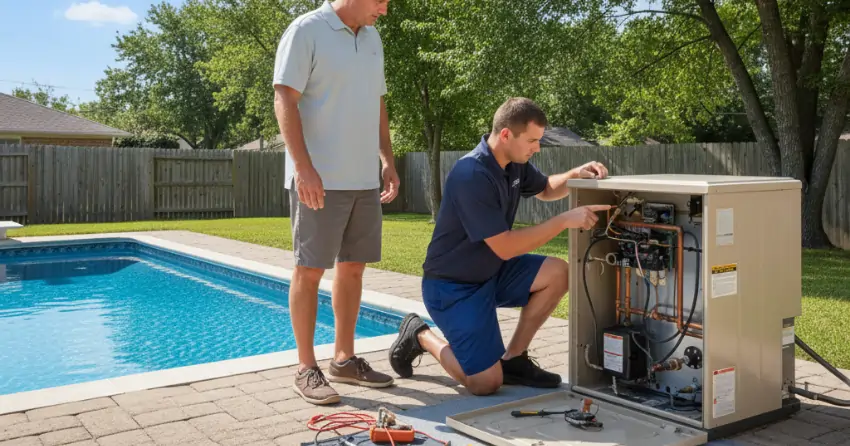
Does installing a pool heater require a permit and inspection?
In many areas, installing a pool heater requires a permit, especially when gas piping, electrical wiring or venting is involved. Rules vary by location, so the local building department is the authority to ask. Permits and inspections exist to confirm that fuel lines are tight, circuits are sized and protected correctly, bonding is in place and the heater sits a safe distance from structures. The installing company usually arranges them and builds the time into the schedule. Skipping them can cause trouble later, for example when selling the home or making a claim.
What should happen after a pool heater repair is finished?
The technician should run the heater through a complete cycle while you are there, confirming that it starts, holds its flame or compressor, reaches temperature and shuts down properly. Ask which part was replaced and why, and what, if anything, to watch in the coming days. Keep the invoice together with the heater’s model details for future visits. At home, observe the first few cycles and note whether the water temperature climbs steadily. If the original symptom returns, call promptly with the details rather than resetting or bypassing anything. A good visit for pool heater repair ends with the pool heating normally and the cause explained.
Can I use a pool heater with a saltwater pool?
Yes, many heaters are designed to work with salt pools, but the model has to be made for it. Salt water is more corrosive than fresh, so the exchanger materials matter. Heat pumps often use titanium for that reason, and gas heaters offer corrosion-resistant exchangers and headers. Check the manual for the salt levels the manufacturer allows. Keep the salt cell downstream of the heater, keep the water balanced and rinse away salt spray around the unit. Salt systems are not harmful to a well-matched heater, but they are unforgiving of neglect.
What questions should you ask a pool heater repair company?
We would suggest paying attention to how a company talks about the work. Do they ask for the brand and model, or do they name a price before hearing the symptoms? Do they describe how they will find the cause? Will they explain what happens if the first fix does not solve it? Ask how parts are sourced and what happens if one has to be ordered. Reviews from neighbors and friends can help. The clearest sign is a patient explanation that you can follow without a technical background.
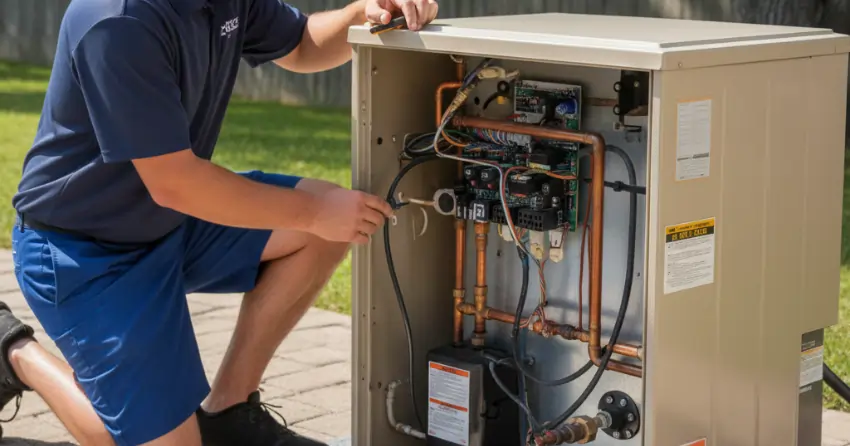
A local team for homes in Edmonton
We work in the neighborhoods around Edmonton every week, so we know the housing styles and the problems they tend to have. That local experience shapes every visit. Schedule pool heater repair with Gas Fireplace Edmonton at a time that suits you.
