

































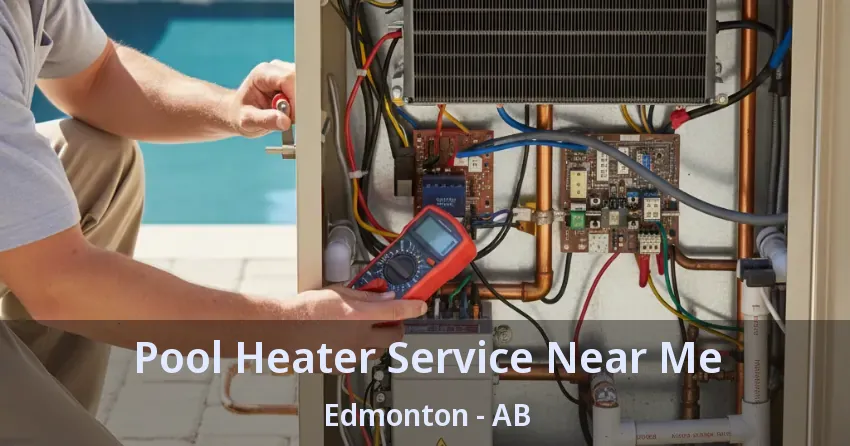
The first warm weekend of the season is usually when pool owners remember the heater parked beside the equipment pad. If it starts right up, nobody gives it a thought. If it clicks, flashes a code or stays silent, swim plans suddenly hang on a machine few people have ever looked inside. Homeowners around Edmonton who searched for “pool heater service near me” will find plain answers here about pool heater service, from how the heater works to what a technician checks and which small things are safe for you to look at.
How often should a pool heater be serviced?
Once a year is the usual recommendation, and the ideal moment is before the swimming season, when any problem can be fixed before you need the heat. Heavily used heaters, those near trees, dust or salt air, and units in humid indoor rooms may benefit from a mid-season check as well. Between visits, keep the area clear and watch for changes in how the heater behaves, such as slower heating, new noises or codes. Your manual may specify its own interval, so it is worth following.
How do I winterize a pool heater?
Winterizing protects the heater from freezing, which can crack the headers and the heat exchanger. Where freezing weather is possible, the water must be drained from the heater when the pool is closed or whenever a hard freeze is forecast. That normally means switching off power and the fuel supply, removing the drain plugs or opening the unions and letting the water run out, then leaving the plugs out until spring. Blowing out the lines and covering the unit loosely against rain and pests follow. Pool pros usually handle this as part of the closing, and the manual lists the steps for each model.
How do I start a pool heater in spring?
A spring start-up begins with a look around. Check that the area is clear of debris and nests, that drain plugs are back in place and that no parts show damage from the winter. Balance the pool water, prime the pump and let water circulate for a while so air clears from the lines. Then switch the power on, set the thermostat above the current water temperature and watch the first cycle. If you see leaks, hear unusual noises or get a code, turn the heater off and arrange a service visit before relying on it.
What if the heater is tucked into a tight enclosure?
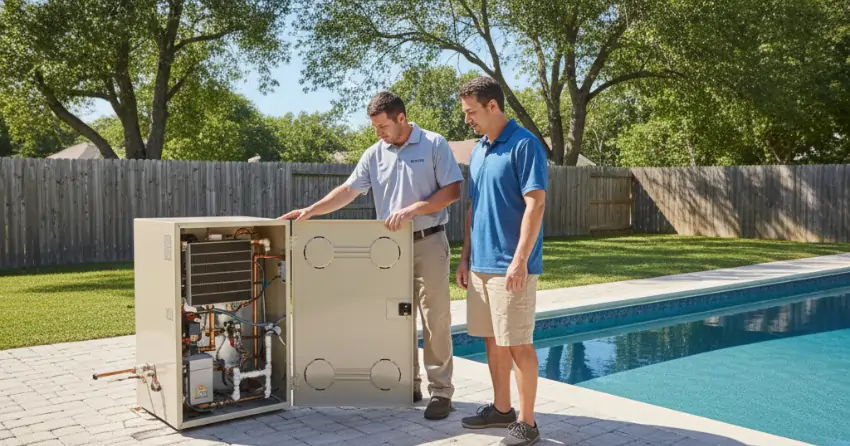
Tell the company before the visit. Heaters placed in sheds, alcoves, between a fence and a wall or under a deck may leave little room to open the cabinet, remove panels or reach the burners and connections. The technician may need to remove a panel, move stored items or work from a particular side. Clear a path to the heater and make sure lighting or power is available if the space is dark. If the heater was installed with very little clearance, the technician may point that out, since poor access and poor airflow often go together. Good preparation keeps the visit focused on the heater.
How do you know a pool heater repair is holding up?
A repair earns trust over a few cycles, not a few minutes. We encourage owners to run the heater normally and notice anything unusual: delays before ignition, the heater cutting out, drips or a code. Jot down the date and conditions in case you need to report it. Some fixes need a short settling period, for instance new gaskets that tighten slightly after the first heat cycle, and we will tell you if that applies. Callbacks should be rare, but we would rather hear about a symptom early than late.
What should a quote for your pool heater include?
Line the quotes up by diagnosis first. One technician may propose a new control board because the heater will not start, while another tested the pressure switch and found the real cause was a small part. Ask each company how it reached its conclusion and what it measured. Then compare what is included: the visit fee, the part, the leak and function test, and the time to get the part. The quote with the clearest reasoning, not simply the lowest figure, is usually the one worth trusting.
How does local weather change when a heater visit makes sense?
Weather sets what a heater is asked to do. Where nights turn cold early, owners start heating sooner, and a heat pump has to work harder in cool air, so a visit before the weather turns pays off. Where hot, humid or salty air is common, rust and insect trouble build faster and the cabinet deserves more attention. Heavy storms call for a check afterward. Think about the weeks you actually plan to swim and book the visit a little ahead of them, so any part that needs ordering arrives in time. A company you reach through “pool heater service near me” will know the local patterns and can suggest timing.
Why choose a local company for pool heater service?
Pool equipment around Edmonton tends to follow patterns: popular models, similar pad layouts, local water chemistry and local rules about gas and permits. A company that works here regularly has met most of those situations before. Calling Gas Fireplace Edmonton connects you with people who expect to see your heater again, which encourages careful work the first time. Distance matters in practical ways too, such as how soon a replacement part can be fitted and how easily a question can be answered after the visit.
What questions should you ask a pool heater repair company?
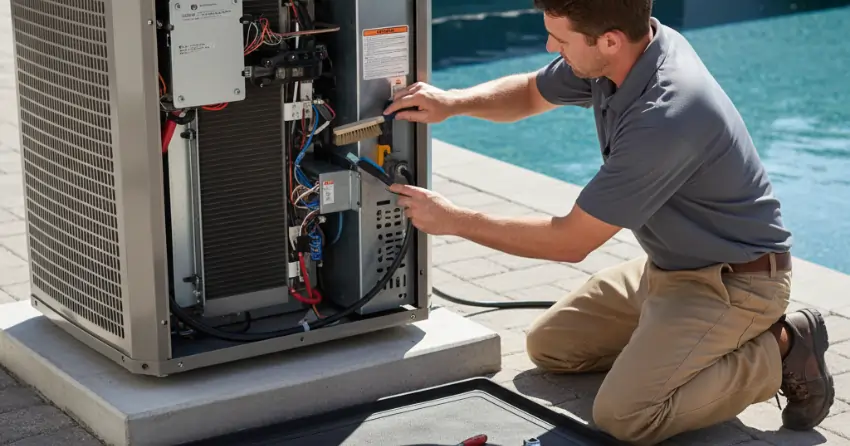
Look for a company that works on your type of heater and is willing to explain its process. Ask whether the technicians handle gas, electrical and plumbing aspects or involve other trades, how diagnosis is charged and whether estimates are given in writing before work begins. A good technician asks questions about symptoms, wants to see the model number and explains findings in plain terms. Be cautious about anyone who recommends replacement without testing, will not put the scope in writing or pressures you to decide on the spot.
A quick form, a clear answer
The quote form takes a minute or two. Add your address in Edmonton, a line about what you need and how you would like us to reach you. Fill in the form and we will get back to you with a price and the next available times for pool heater service.
