

































A pool heater never works alone. It depends on the pump, the filter, the valves and the pipes around it, and it reacts badly to water that is out of balance. That wider view is why a thorough diagnosis rarely stops at the heater cabinet. For readers in Edmonton searching for “pool heater service”, the answers below explain pool heater service in that bigger context, so you know what a careful visit really covers.
What will a technician do when servicing a pool heater?
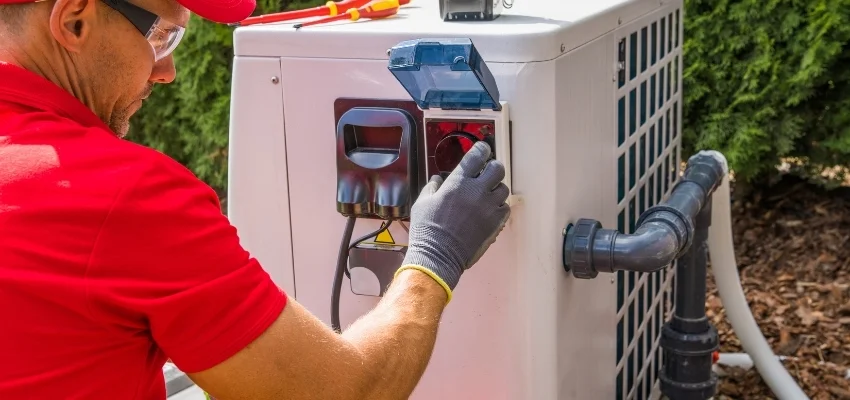
Think of it as a physical for your heater. We inspect, clean, measure and test, and then we tell you what we found. Typical steps are removing the access panels, checking connections for heat damage, clearing debris and insect nests, verifying water pressure and temperature rise, and watching the start-up sequence from beginning to end. If a part is close to failing, we point it out with the reason, so you can decide whether to replace it now or monitor it. A thorough visit leaves you knowing the heater’s condition, not just that it is running.
How does a technician check that a heater is performing well?
One of the most useful tests is the temperature rise, which compares the water temperature entering the heater with the temperature leaving it. Together with the water flow rate, it shows whether the heater is delivering the heat it should. The technician may also check gas pressure, watch the flame, read the pressure switch and high-limit behavior, and measure voltage and amperage on electric parts. A heater that runs without complaint but delivers less heat than designed is often scaled, fouled or starved of flow. Having these readings noted during pool heater service gives you a baseline to compare against next season.
What is checked during gas pool heater maintenance?
Servicing a gas heater centers on clean, safe combustion. The technician removes the cabinet panels and inspects the burner tray, igniter, flame sensor and gas valve for wear and deposits. Burner ports are cleaned of rust, spider webs and dust, and the heat exchanger surfaces are examined for soot and scale. The gas supply pressure and the connection are checked for leaks using proper methods, and the vent or flue is confirmed clear. Finally, the heater runs through a complete cycle while the flame pattern, temperature rise and safety controls are observed.
How long do pool heaters last?
It helps to think of a heater as a collection of parts with different lives. Igniters, sensors, switches and boards may be replaced several times, while the exchanger tends to decide whether the whole unit is worth keeping. Owners who test their water and winterize properly often get more seasons out of the same heater than neighbors who do not. A unit parked in a damp, chemical-laden or leaf-filled spot ages faster. If yours is showing rust, repeated leaks or scale and parts are hard to find, it is time for a conversation about replacement.
How often should a pool heater be serviced?
We suggest one thorough visit each year, timed ahead of the season, with extra attention if the heater runs through the winter or the pool sits under trees. Heaters that run constantly collect scale and wear their ignition parts faster than those used on weekends. If you have noticed anything unusual since the last service, mention it when you book, since a small symptom is a good reason to come sooner. For heat pumps, we also like to look at the coil after any season of heavy pollen, leaves or lawn clippings.
Should a pool heater be inspected before buying a home?
If a home comes with a pool, the heater deserves its own look during the purchase. A general home inspection often notes only that the equipment is present, so a pool technician can add real detail. A pool heater inspection covers its type, age, model, visible leaks, corrosion, venting, clearances and how it starts, runs and shuts off. Ask the seller for service records, the manual and any repair history. The findings help you judge remaining life, budget for repairs and negotiate sensibly before the sale closes.
How do pests get into a pool heater and cause trouble?
The off season is when pests move in, so the start of the swimming season is when we find them. A burner clogged with webs gives a flame that is uneven or lazy, and nests in the vent or air inlets cause overheating or lockouts. Mice can chew sensor wires and leave debris that traps moisture. We clear everything out, check the wiring and screens and, where the design allows, suggest ways to block entry points. Owners can help by keeping the pad clean and reporting any droppings, nests or chewed wires seen around the cabinet.
Why keep a simple log of your heater’s service history?
A one-page record makes every later visit smoother. Write down the date, what the technician checked or replaced, any readings they shared and the heater’s model and serial number. Add notes such as how long the pool took to warm up before and after. Over a few seasons the log shows patterns, for example a part that keeps failing or a heater that is slowly taking longer to heat. It also helps a new owner or a different company understand the equipment. Store the paperwork where you keep pool receipts, or snap a photo of each invoice, and bring the record to your next appointment.
What should I watch for after a pool heater repair?
For the first week after a repair, pay attention to how the heater starts, how long it runs, where the temperature settles and whether the same code or symptom returns. Look for drips, odd noises or smells, and check the area around the unit after the first few cycles. It is normal for the heater to behave a little differently if a worn part was replaced, since performance often improves. Keep the invoice and parts details for your records. If the original problem returns or something new appears, contact the company that did the work promptly.
Seen something you want us to look at?
Whether it is a sound, a stain or something you spotted while cleaning, mention it when you contact us so the technician knows where to start. Describe what you noticed and Gas Fireplace Edmonton will follow up about pool heater service for your home.
