

































Gas, electric resistance and heat pump heaters all warm pool water, yet they fail in different ways and call for different checks. Knowing which kind you own saves a lot of guessing. If you are researching “pool heater services near me” from Edmonton, this page walks through pool heater services with those differences in mind, covering common symptoms, what a visit involves and the routine care that keeps each type running dependably.
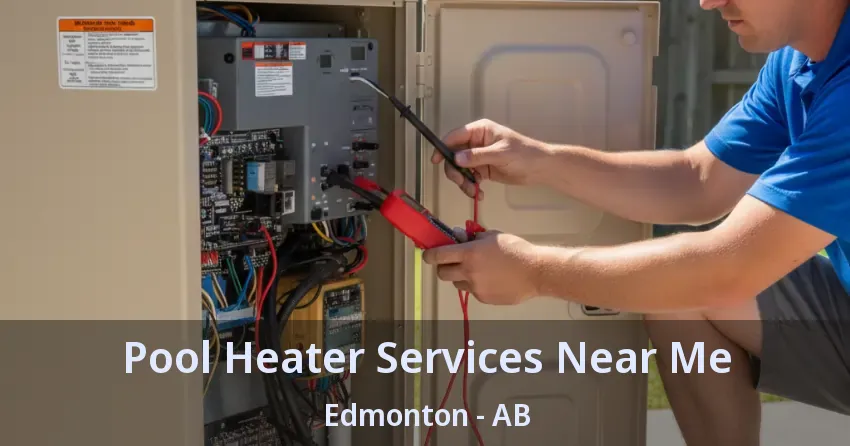
What if you bought a home with a heater and know nothing about it?
That is more common than you might think. A first visit then doubles as an introduction. The technician reads the rating plate to identify the brand, fuel and age, checks how it is plumbed and vented, tests its controls and tells you what condition it is in. Ask for a short written note of the findings, and look for an owner’s manual for the model; paperwork from the previous owner or the pool installer can also fill gaps. You learn what you have, what needs fixing now and what can wait, which makes pool heater services planning in Edmonton much easier from then on.
Why do pool heater repair prices vary so much?
Several factors shape the price of a pool heater repair. The biggest is which part failed, since an igniter or sensor sits at one end of the range and an exchanger, compressor or control board at the other. The make and model matter because some parts are common and others are special order. Diagnosis time, access to the unit, the need for gas, electrical or plumbing work alongside and the distance traveled all contribute. The heater’s age also plays a role in whether repair is sensible. A written estimate with a clear scope lets you compare fairly.
When should you schedule pool heater service?
Timing matters because pool work bunches up. Everyone remembers their heater on the first warm weekend, which fills the calendar just when the weather is nicest. A visit in the weeks before opening, or at the end of the season, tends to be calmer, with room to wait for parts and to do the job properly. If a heater fails mid-season, say so when you call and describe the symptoms, and we will do what we can to find you a suitable appointment. Replacement planning is easiest in the off season.
What should you expect when a pool heater technician shows up?
Our visits begin with a short chat and a walk to the equipment pad. We ask you to point out what you have seen, then we open the panels and begin testing. Nothing is replaced until we have explained what we found and what it will cost, and you have agreed. If a part is needed that we do not carry, we will say so and arrange the next step. When the work is finished, we run the heater, clean up and walk through the result with you so the changes are clear to you.
What does a spring pool heater start-up involve?
The first start of the year is the moment problems show up, so we prefer to be there for it. We inspect for insect nests, rodent damage and corrosion, test the controls and safeties, look for leaks with the water flowing and observe a complete heating cycle. If the heater was drained for winter, we confirm everything is sealed again. Owners who prefer to start the unit themselves should keep the manual handy and not hesitate to stop at the first sign of trouble. A heater that runs well on day one usually keeps doing so all season.
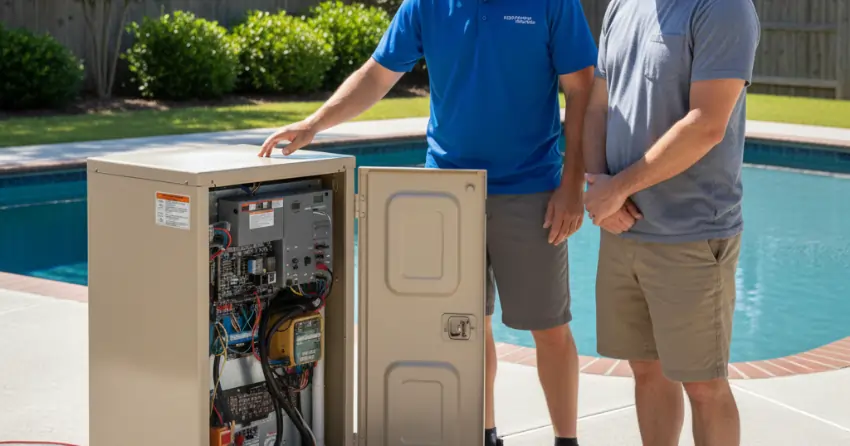
Do you need to be home when a technician visits the heater?
Not always, but it helps. Someone needs to unlock gates, restrain pets and confirm the equipment is accessible. Being present for the first part of the visit lets you describe what the heater has been doing, and being present at the end lets the technician show you the result and explain any part that was replaced. If you cannot be home, agree in advance how the technician reaches the equipment, how the company contacts you about findings and how any payment is handled. Remove loose items from the pad, leave the pump running if asked and mention any buried lines or sprinkler heads near the heater.
How do you know a pool heater repair is holding up?
For the first week after a repair, pay attention to how the heater starts, how long it runs, where the temperature settles and whether the same code or symptom returns. Look for drips, odd noises or smells, and check the area around the unit after the first few cycles. It is normal for the heater to behave a little differently if a worn part was replaced, since performance often improves. Keep the invoice and parts details for your records. If the original problem returns or something new appears, contact the company that did the work promptly.
Why choose a local company for pool heater service?
A local company can return quickly for follow-up visits, which matters because many heater repairs take two trips: one to diagnose and one to fit a part. Nearby technicians also learn the typical equipment, water conditions and installation habits in surrounding neighborhoods. That familiarity speeds up diagnosis and makes it easier to know which parts to carry. Before booking, confirm that the company is based in or regularly serves your area, and ask who will actually come to your home.
What matters for a pool heater at a shared or commercial pool?
With a larger pool, small problems become big ones because the heater seldom rests. Apartment complexes, clubs and hotels usually benefit from a maintenance schedule with documented visits, so that wear is caught before it closes the pool. We also look at how several heaters share the load, how bypass and flow are managed and whether controls tie into building systems. Spare parts for the most likely failures, a clear contact for the site and agreed procedures for winter shutdown all keep surprises to a minimum.
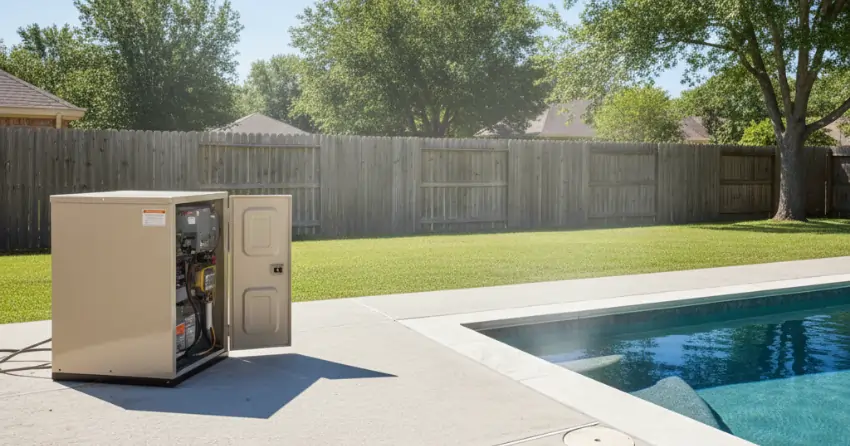
Booking pool heater services for the first time?
If you have never had this done before, it helps to know what to expect. We walk you through the visit, how long it usually takes and what you will see when we finish. Start with a quote and ask us anything along the way.
