




























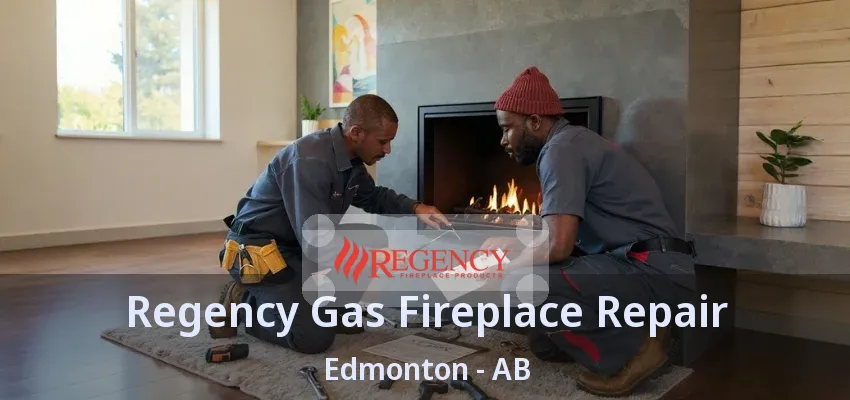
Whether your gas fireplace is new to you or has warmed the living room for many winters, doubts tend to creep in sooner or later. An odd smell, cloudy glass or a flame that looks different from last year is enough to make anyone wonder. For homeowners in Edmonton who typed “Regency gas fireplace repair”, this page offers calm, practical answers about gas fireplace troubleshooting and repair, along with the safety steps every household with a gas appliance should know.
Is it normal for your gas fireplace to smell at the start of the season?
A gas fireplace often smells for a short time when it is first turned on after months of rest, because dust, pet hair and household particles on the burner and logs burn off. A brand-new fireplace may also give off a paint or oil smell while protective coatings cure during the first hours of use. That kind of odor is warm and dusty and fades quickly. A rotten-egg or sulfur smell is a different matter and should never be ignored: leave the home and call the gas utility from outside. If a burning smell lingers beyond the first few fires, or the room feels stuffy, have the unit checked.
What should you do if you smell gas near a fireplace?
If you smell gas near a fireplace, leave the home right away and call the gas utility, your propane supplier or 911 once you are outside. The rotten-egg or sulfur odor is added to the fuel on purpose so that leaks get noticed. Do not switch lights, the fireplace or any appliance on or off, do not use a phone indoors and do not try to find the source. Get people and pets out and stay at a safe distance until the utility says it is safe to go back in. A qualified gas technician should repair the fireplace before it is used again.
Why is there a delay between pressing the button and the fire lighting?
A short delay is normal on many fireplaces with electronic ignition, because the system first proves the pilot before opening the main burner valve. That sequence often takes a few seconds and may include clicking. A delay that grows longer over time, many clicks before lighting or a soft whoomp when the burner catches suggests a problem: weak batteries, a dirty igniter or pilot, or a flame sensor that is slow to confirm the flame. On some remote systems, a weak handheld signal adds a pause too. Note how long the delay lasts and whether it has changed, and share that when you book a visit.
What can stop a remote from controlling your gas fireplace?
Most remotes that stop working have a simple cause, usually power or pairing, and remote complaints are among the most frequent calls we get. Receivers are often tucked into the warm space under the firebox, and their batteries drain faster there than people expect. A handheld that was dropped, or fresh batteries inserted the wrong way round, can also lose its link. We check battery voltage at both ends, confirm the receiver switch setting and resynchronize the pair. If that fails, we test whether the valve responds when the receiver is bypassed, which tells us whether the fault lies in the remote system or in the fireplace itself. Sometimes a worn receiver simply needs replacing.
Why does gas fireplace glass crack, and can it be replaced?
Fireplace glass usually cracks from heat stress, an impact or a problem with how it was mounted. A cold drink spilled on hot glass, a toy thrown against it, a frame that was overtightened or flames striking the glass from misplaced logs can all do it. Cracked glass should not be used, since the firebox is no longer sealed and the panel could fail further while hot. Replacement glass must be the heat-rated assembly specified for your fireplace, never ordinary window glass, and it needs a proper gasket seal. A “Regency gas fireplace repair” visit can confirm the right part and install it safely.
Why do prices for gas fireplace troubleshooting and repair differ between homes?
The cost of gas fireplace work depends mainly on what the visit includes and which parts, if any, are needed. A routine cleaning and safety check is usually priced as a standard visit, while repairs add the part and the time to diagnose and install it. Parts vary widely: a battery pack or igniter is a small item, while a control valve or a full glass assembly is a larger one. Older or discontinued models can take longer to source parts for. Access matters too, such as a unit built into a tight space. Ask for a written quote that lists labor and parts separately.
Should you keep using your gas fireplace until the technician arrives?
It depends on the symptom, but when in doubt, leave the fireplace off until it has been checked. Stop using it right away if there is a gas smell, black soot, a carbon monoxide alarm, cracked glass, flames escaping the firebox or a pilot that keeps going out. For a gas smell, leave the home and call the utility from outside. Lesser issues, such as a remote that responds slowly or a noisy fan, are usually fine to live with for a short time. Do not open panels or attempt fixes on gas parts while you wait; simply keep the area clear and your carbon monoxide alarms working.
How should your gas fireplace behave after a service visit?
After a gas fireplace service, the unit should light promptly, burn with steady flames and show clean glass. The technician should run it before leaving and explain what was cleaned, tested and found. Ask about anything flagged for later, such as a gasket nearing the end of its life or a sensor reading on the low side. A faint dusty smell during the first fire is normal while cleaned surfaces heat up, but any gas smell is not: leave and call the utility from outside. Keep the service record with the owner’s manual, and note when the next visit is due.
Does a nearby company make a difference for your gas fireplace?
A local company is often the practical choice for gas fireplace work because it can come back easily if a part has to be ordered or a fault reappears. Many repairs take two visits, one to diagnose and one to install, and a short drive makes that simpler to schedule. Nearby technicians also get to know the fireplace styles common in surrounding neighborhoods, which can speed up diagnosis. Before booking, confirm that the company works in your area itself rather than passing the job along, and ask how follow-up questions are handled once the visit is over.
What happens after you reach out
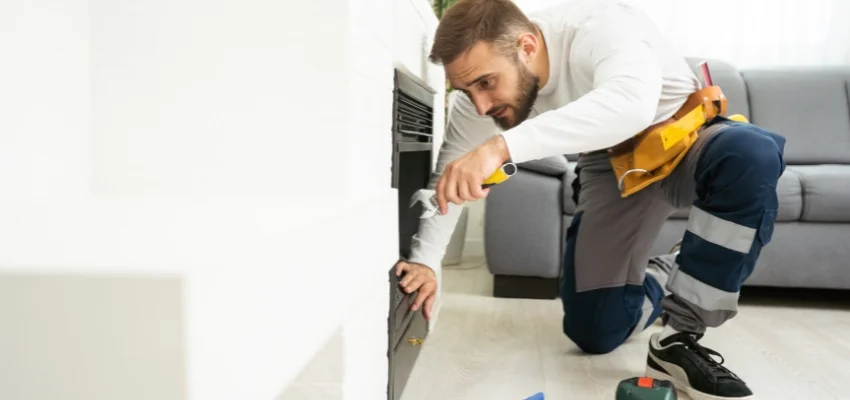
We confirm the details of your home, suggest a visit window and explain what gas fireplace troubleshooting and repair will involve. On the day, the technician checks in before starting and walks you through the results at the end. Get started with a quote from Gas Fireplace Edmonton.
