

































Every fireplace has two jobs: keep the fire where it belongs and carry the exhaust safely outdoors. Any sound repair starts by making sure both still happen, and the answers on this page approach Regency fireplace and stove repair the same way. They respond to what homeowners around Edmonton ask after looking up “regency fireplace repair”, with clear notes on warning signs, the checks you can safely make yourself and the work that belongs to a qualified technician.
Fireplace insert or freestanding stove: what is the difference?
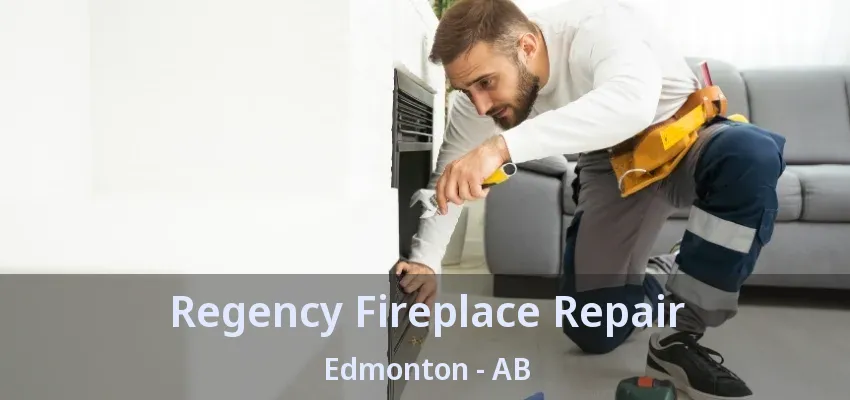
The main difference is how each one fits the house, which decides how much room we have to work. An insert lives inside an older fireplace opening, wrapped by a surround panel and tied to a chimney liner, so its controls, blower and connections are packed into a tight space. When a part fails behind the firebox, we may need to pull the insert forward, which takes care and sometimes a second pair of hands. A freestanding stove lets us work from the sides and back, and its flue connection is easy to see. The repair itself is similar; the setup time is what changes.
Is it worth repairing an older fireplace or stove?
Often, yes, especially when the body of the unit is sound and parts are still available. Worn gaskets, a tired thermocouple, a cracked firebrick or a noisy blower are routine repairs that can give an older fireplace many more seasons. Replacement deserves a conversation when the firebox is rusted through or cracked, when key parts such as the gas valve or ignition system are no longer made, or when the unit has been damaged by water or overheating. Ask the technician to explain both paths in plain terms, including how long each is likely to last, before you decide.
What does it mean when the pilot on your fireplace keeps going out?
A pilot that keeps dropping out almost always traces back to the flame, the sensor or the venting, and we check them in that order. A healthy pilot flame wraps the tip of the thermocouple or thermopile; a lazy, yellow or lifting flame usually means dust or spider webs in the pilot orifice. Next we measure the sensor’s output, because these parts weaken with age long before they fail outright. Finally, we inspect the vent and its outside cap, since a partly blocked vent can starve the flame. Cleaning or replacing pilot parts is work for a qualified gas technician, never a do-it-yourself job.
Why does a gas fireplace on a thermostat turn on and off so often?
Frequent cycling is often a thermostat issue rather than a fireplace fault. A wall or remote thermostat placed too close to the fireplace, in its direct heat or in a draft, reads the room wrong and switches the burner on and off quickly. Weak batteries in the remote or receiver can cause erratic behavior too. If the thermostat checks out, the cause may be inside: a weak thermopile, a safety switch reacting to heat or venting trouble. Note how long the fireplace runs before it stops and whether the pilot stays lit, then share that when you book a “regency fireplace repair” visit.
How is a wood stove serviced?
Servicing a wood stove is mostly about restoring a tight, predictable burn. We start with the seals, because a stove that leaks air burns too hot and too fast. Then we lower the baffle where the design allows, which lets us inspect the top of the firebox and the flue collar for creosote and corrosion. Firebricks are swapped if they are cracked through, and loose air tubes are reseated. If the stove uses a catalytic combustor, we check whether it is still doing its job. We finish at the stovepipe or liner and recommend a sweep if the deposits call for one.
How often do homes in Edmonton need fireplace servicing?
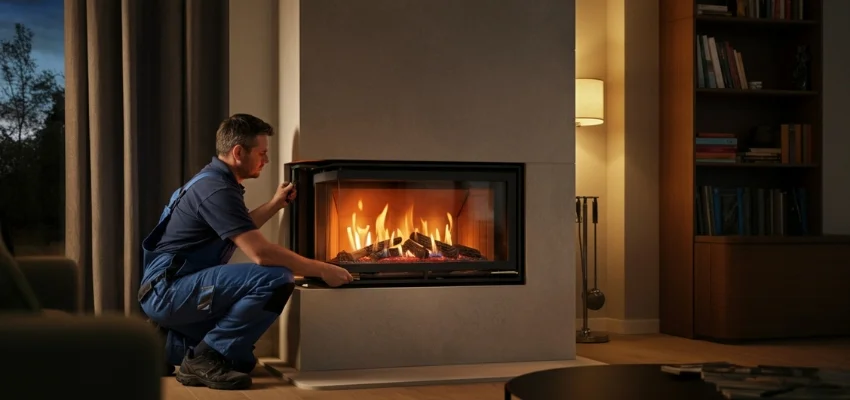
A common guideline is to have a fireplace or stove serviced once a year, ideally before the heating season. Gas units benefit from a yearly look at the burner, ignition, glass and venting, and many owner’s manuals suggest that interval. Wood stoves and inserts need their chimney or liner inspected yearly and swept as often as buildup requires, which depends on how much you burn and how dry your wood is. Heavy use, a unit that sat idle for a long time or any change in how it behaves are good reasons to book sooner rather than stretch the interval.
How should you prepare for a fireplace repair visit?
The most helpful thing is a cold, clear fireplace. We cannot safely open a unit that is still hot, so a gas fireplace switched off a few hours early and a stove left unlit since the day before save real time. We also need room to lay down drop cloths and set out tools, which means moving furniture, mantel décor and anything on the hearth. Outside, a clear route to the vent cap helps. If your fireplace has a wall switch, remote or thermostat, keep it handy. Pets tend to be happier in another room while panels come off.
What should you check on a Regency insert before booking a repair?
Check what you can see safely with the insert switched off and cool: the blower, the glass, the door and the surround. Note whether the fan still runs, whether the glass is cracked, hazy or sooty and whether the door or front closes snugly. On a wood insert, look for crumbling firebricks or a sagging baffle; on a gas insert, note whether the pilot is lit and how the flame looked the last time it ran. Gaps or discolored metal around the surround panels can hint at heat or venting trouble. Leave the panels and controls where they are, and jot down what you saw so the Regency fireplace and stove repair visit can be planned around it.
How do burning habits affect a wood stove’s condition?
Burning habits have a big effect on how long a wood stove’s parts last. Dry, seasoned firewood burns hotter and cleaner, which keeps glass clear and slows creosote buildup. Avoid overfiring: a stove packed full with the air wide open can warp baffles, crack firebricks and stress welds. Never burn trash, painted or treated wood, or large amounts of cardboard. Use the air control as the manual describes, remove ashes before they crowd the firebox and close the door gently so the gasket lasts. These habits stretch the time between repairs noticeably.
What to have ready when you contact us
A few details help us plan the right visit:
- the type and age of your home;
- what you have noticed and when it started;
- any recent renovations or repairs.
Send us your details and we will reply with next steps for Regency fireplace and stove repair in Edmonton.
