




























Swimming in comfortably warm water is the whole point of a heater, and getting there without wasting fuel or power is the second goal. Both depend on a unit that is sized, set and maintained properly. If “Rheem pool heaters” is what you searched for from Edmonton, these answers on pool heaters cover how the heater behaves, what affects its running time and the care that keeps it efficient and safe.
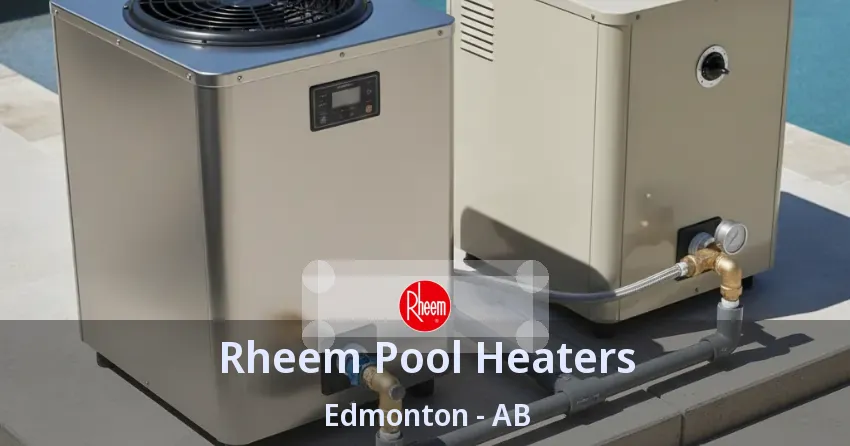
What is the heat exchanger in a pool heater?
The heat exchanger is the part that transfers heat into the pool water, and it is the heart of every heater. In gas units it is a set of finned tubes sitting above the burners. In heat pumps it is a corrosion-resistant coil or tube bundle that the hot refrigerant gas passes around. In electric heaters the elements play the same role. Because pool water, chemicals and heat all meet here, it is the component most affected by poor water balance. Scale, corrosion and freezing can each damage it, so a heater often lives only as long as its exchanger does.
How do you pick the right heater capacity for a pool?
We start with the surface of the water, not its volume, because heat is lost mostly at the top. Then we ask how the pool is used. If you want quick warm-ups on cool evenings, you need more output than someone who maintains one temperature all summer. Wind exposure, shade, a solar cover and even the temperature of the nights count too. Plumbing, gas line or electric supply must also handle the larger unit, so sizing up is not always as simple as ordering the bigger model. A short site visit gives a clearer answer than any chart.
Which kind of pool heater suits a home pool?
The right type usually depends on how you use the pool. Families who swim a lot in cool months and like quick results often lean toward gas. Owners who keep the water at a steady temperature all season, in a mild climate, often prefer a heat pump. Electric resistance suits spas and small plunge pools where fuel or space is limited. Solar helps almost everyone as a supplement. Gas availability, electrical capacity, equipment pad space and local rules all narrow the choice further, so an on-site look from a technician settles questions that a brochure cannot.
How long does a pool heater usually last, and what shortens its life?
Lifespan varies widely, because the same model can last many seasons in one backyard and far fewer in another. Heavy use, a year-round pool or spa, poor water chemistry, scale, constant short cycling and a cabinet exposed to sprinklers or standing water all shorten it. Regular maintenance, steady flow and balanced water help it last. The heat exchanger usually decides the end of a gas heater’s life, while a heat pump’s compressor often does the same. When a heater is older, a good technician talks about its condition rather than its age alone and gives you a realistic picture before you invest more in your heater.
How long does a pool heater repair take?
Many pool heater repairs are finished in a single visit, particularly when the cause is something like a dirty flame sensor, a clogged flow path, a worn igniter or a tripped safety. Others depend on a part that has to be ordered, which stretches the job across two visits. Diagnosis itself takes time, because the technician needs to watch the heater run through its sequence and test each stage. Older or less common models may need extra searching for parts. Ask for an honest estimate of the visit itself and of any waiting for parts.
How often should a pool heater be serviced?
Once a year is the usual recommendation, and the ideal moment is before the swimming season, when any problem can be fixed before you need the heat. Heavily used heaters, those near trees, dust or salt air, and units in humid indoor rooms may benefit from a mid-season check as well. Between visits, keep the area clear and watch for changes in how the heater behaves, such as slower heating, new noises or codes. Your manual may specify its own interval, so it is worth following.
How long does it take a pool heater to warm the water?
There is no single answer, because several things set the pace. A large pool holds far more water to heat than a small one, and a bigger heater adds heat faster. Starting temperature, air temperature, wind and sun matter, and an uncovered pool loses heat at the surface even while the heater runs. Gas heaters usually raise temperature faster than heat pumps. Many owners plan to heat well before a swim rather than the same afternoon, then let the heater hold the temperature. Ask about expected warm-up time for your pool when you discuss pool heaters, so your plans match what the equipment can do.
What should you do before a pool heater technician arrives?
Good preparation is a short list of facts for the technician. Have these ready:
- What the heater did and did not do, and when it began.
- Any code or light pattern shown on the display.
- Recent changes, such as a new pump, a power outage or work on the pool.
- The latest water test results, if you have them.
- Anything you have already tried, so we do not repeat it.
Clear the way to the equipment pad and secure any pets, and we will take it from there.
What changes when a pool heater serves many swimmers?
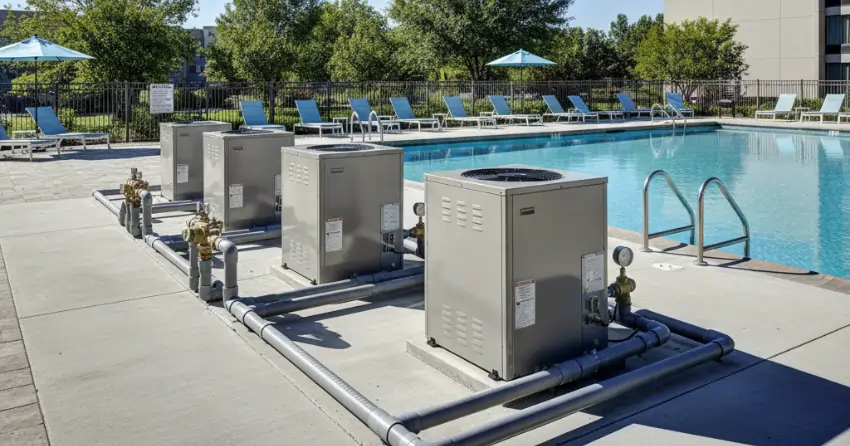
With a larger pool, small problems become big ones because the heater seldom rests. Apartment complexes, clubs and hotels usually benefit from a maintenance schedule with documented visits, so that wear is caught before it closes the pool. We also look at how several heaters share the load, how bypass and flow are managed and whether controls tie into building systems. Spare parts for the most likely failures, a clear contact for the site and agreed procedures for winter shutdown all keep surprises to a minimum.
Expecting guests this season?
If your home will be busy with visitors, it helps to know everything is in order beforehand. Book pool heaters a little ahead and enjoy the season without second thoughts. Reserve a time with Gas Fireplace Edmonton in Edmonton.
