




























Convenience is the reason most people choose gas: no logs to carry, no ashes to scoop and warmth at the touch of a switch. That convenience still depends on a valve, an ignition system, a vent and a handful of small parts that need occasional care. Homeowners in Edmonton who look up “Stûv America gas fireplace repair” usually want to know what is normal, what is not and when to call for help. The answers below cover gas fireplace troubleshooting and repair in practical terms, with safety notes wherever they matter.
What is the difference between a propane and a natural gas fireplace?
The two fuels run at different pressures through different-sized parts, so a fireplace set up for one can use the other only after a proper conversion. Propane needs the higher pressure and smaller burner orifices, and not every model has a conversion kit. On the job, we look for the label stating which fuel the unit is set for and confirm it matches the supply. With propane, we also ask about the tank, the regulator and whether the supply has ever run empty, since air in the line can make relighting stubborn. Most repairs, such as cleaning a pilot or replacing a sensor, look much the same for both fuels.
What can stop a remote from controlling your gas fireplace?
A gas fireplace remote usually stops working because of weak batteries, a receiver that has lost its pairing or a receiver switch left in the wrong position. Replace the batteries in the handheld first, then in the receiver if your system has a battery-powered one. Many receivers sit behind the lower panel and have a small switch with on, off and remote settings; it needs to be on remote for the handheld to work. If the remote display lights up but the fireplace ignores it, the two may need pairing again using the steps in the manual. Wiring and valve problems are a job for a technician.
Why is there a delay between pressing the button and the fire lighting?
A short delay is normal on many fireplaces with electronic ignition, because the system first proves the pilot before opening the main burner valve. That sequence often takes a few seconds and may include clicking. A delay that grows longer over time, many clicks before lighting or a soft whoomp when the burner catches suggests a problem: weak batteries, a dirty igniter or pilot, or a flame sensor that is slow to confirm the flame. On some remote systems, a weak handheld signal adds a pause too. Note how long the delay lasts and whether it has changed, and share that when you book a visit.
Why does gas fireplace glass crack, and can it be replaced?
Fireplace glass usually cracks from heat stress, an impact or a problem with how it was mounted. A cold drink spilled on hot glass, a toy thrown against it, a frame that was overtightened or flames striking the glass from misplaced logs can all do it. Cracked glass should not be used, since the firebox is no longer sealed and the panel could fail further while hot. Replacement glass must be the heat-rated assembly specified for your fireplace, never ordinary window glass, and it needs a proper gasket seal. A “Stûv America gas fireplace repair” visit can confirm the right part and install it safely.
What should the flames in a gas fireplace look like?
Healthy flames in most gas fireplaces are steady, yellow-orange across the top and blue near the burner, with an even height from side to side. Many models are designed to show lazy yellow flames for a natural look, so color alone is not a warning sign. What deserves attention is a change: flames that suddenly turn tall and smoky, lift off the burner, lean hard in one direction or shrink to a low blue strip. Weak flames can come from low gas pressure, a flame-height setting turned down or a clogged burner. If you notice soot, a strange odor or a flame that looks different from last season, book a check.
Is a gas smell around your gas fireplace dangerous?
Treat any gas smell as real until it is proven otherwise; that is the rule we follow ourselves. Faint or strong, the response stays the same: walk out, take everyone with you and make the call from outside, well away from the house. Switches, doorbells, phones and even the fireplace remote can create a small spark, so leave them alone. Once the utility has checked the home, we can look for the cause at the fireplace, which is often a loose fitting, a worn connector or a valve that no longer seals. The fireplace stays off until that repair is made and a leak test passes.
Why does log and ember placement matter in a gas fireplace?
Gas fireplace logs should be arranged exactly as the manufacturer’s diagram shows, because each log is shaped and placed to sit clear of specific burner ports. The diagram is usually in the owner’s manual, and many logs have notches or pins that match marks on the grate. Moving a log even slightly can push flames into it, which leads to soot and poor burning. The same goes for embers and decorative media: a thin layer in the right spots looks good, while too much can block the gas flow. If a log is cracked, crumbling or missing, ask for a replacement made for your model.
What should a repair quote for your gas fireplace include?
Compare gas fireplace repair quotes by checking that each one describes the same fault, the same part and the same scope of work. A useful quote names the problem found and the part to be replaced, confirms that it is the part specified for that make and model, and says whether labor, diagnosis and a final test are included. If one quote is far lower, ask what it leaves out; sometimes it treats a symptom rather than the cause. Be cautious about quotes given without anyone seeing the fireplace, since most faults need hands-on testing. Written, specific and unhurried quotes are the easiest to judge.
How do you choose a company to service a gas fireplace?
Choose by listening closely to the first phone call, because technicians worth hiring tend to reveal themselves before they ever arrive. On the phone they ask about the fuel, the ignition type and what the fireplace is doing, rather than quoting blind. They describe the visit step by step, bring up the leak check without being asked and mention carbon monoxide alarms out of habit. At your home, they show you what they found and separate urgent items from things that can wait. Patience with your questions on that first call is usually a fair preview of how carefully the work itself will be done.
A photo can save a trip
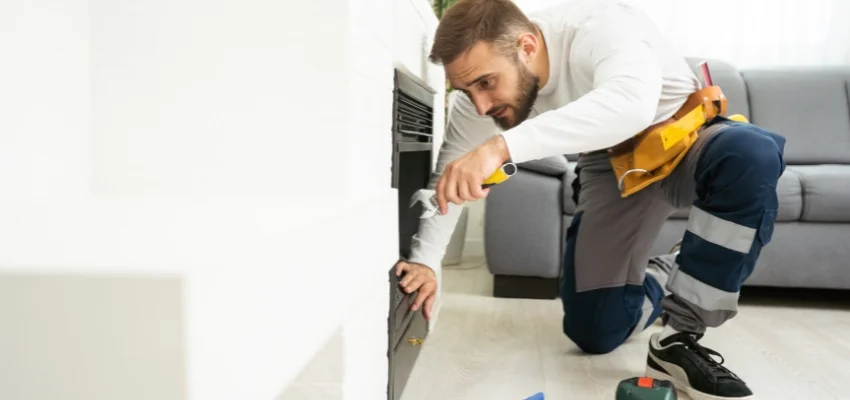
If you can safely snap a picture of what worries you, mention it when you get in touch. It helps the technician bring the right tools and plan the visit. Reach out to Gas Fireplace Edmonton and we will tell you how to share it.
