
































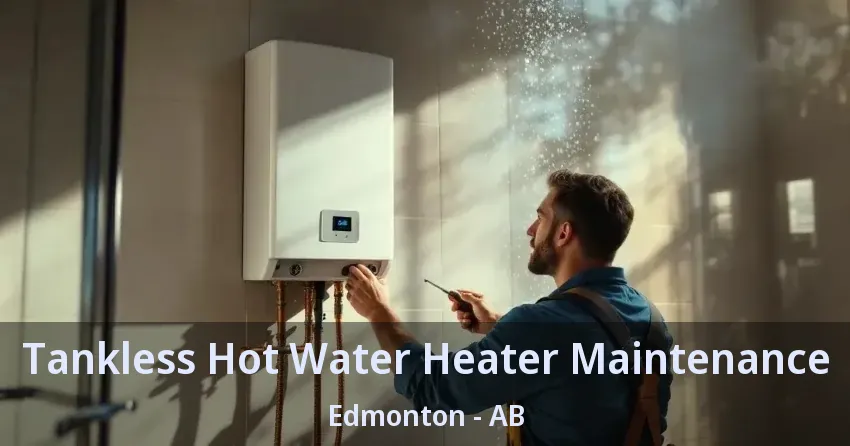
When hot water fades, the question that follows is almost always the same: fix it or replace it? The honest answer depends on the age of the unit, the kind of fault and what a repair would involve. If you came here from Edmonton after a search for “tankless hot water heater maintenance”, this page walks through the signs, the checks and the factors that matter for tankless hot water heater maintenance, so you can talk to a technician with a clearer idea of your options.
What happens when you open a tap on a tankless unit?
Inside the cabinet you will find a heat exchanger, a burner or heating elements, a fan on gas models, a flow sensor, temperature sensors, an inlet filter and a control board that coordinates all of it. Cold water enters, passes the filter and flow sensor, then picks up heat in the exchanger before leaving through the outlet. The board compares sensor readings with the target temperature and adjusts the flame or power accordingly. Each part is small, and several are sensitive to mineral scale, which is why these units reward regular flushing and why a fault often comes down to one clogged or worn component.
How does a water heater make hot water?
Every water heater does the same basic job: it moves heat from a fuel source into the water that flows through your plumbing. A storage unit keeps a tank of water hot all day, so a faucet simply draws from that supply while cold water refills the tank from below. A tankless unit waits until it senses flow, then fires a burner or powers elements to heat water as it passes through. Either way, a thermostat or control board watches the temperature, and safety devices shut the heat off if something goes wrong. Gas models also rely on a vent to carry exhaust outside.
Why does the water never get really hot anymore?
Lukewarm water points to a heater that is running but not keeping up. In a tank, a failed lower heating element, a sediment layer insulating the burner or a thermostat set too low can each be responsible. Sometimes cold water slips in through the plumbing, for example through a faulty mixing valve or a worn single-handle faucet cartridge. Tankless units can deliver cooler water when scale narrows the exchanger or when demand exceeds capacity. Check the temperature setting first, then compare several taps. If the problem is everywhere, a technician should test the heating parts.
What is combustion air and why does your tankless water heater need it?
A gas burner needs a steady supply of fresh air, and its exhaust has to leave the building. Atmospheric tanks usually vent upward through a draft hood and a metal flue. Power-vent and tankless models use a fan and plastic or stainless piping that runs through a wall or roof, often with a second pipe bringing outdoor air in. If a vent is disconnected, blocked, sloped wrongly or too long, exhaust can spill into the home, and carbon monoxide has no smell. Vent sizing and changes are technician work. Keep a working carbon monoxide alarm nearby and keep storage away from the heater.
How does maintenance differ between gas and electric tankless heaters?
Both types need descaling and filter care, but the rest of the visit diverges. A gas tankless unit also needs its burner, igniter, flame sensor, fan, combustion air path and exhaust venting checked, and technicians often analyze the combustion itself. Electric models have no flame or vent; instead the checks focus on heating elements, wiring terminals, breaker capacity and the control board. Electric exchangers can still scale up, and loose terminals can overheat. If you searched for “tankless hot water heater maintenance” without being sure which type you own, the rating plate on the unit tells you whether it takes gas or a large electrical feed.
Why do water heater quotes vary from one home to another?
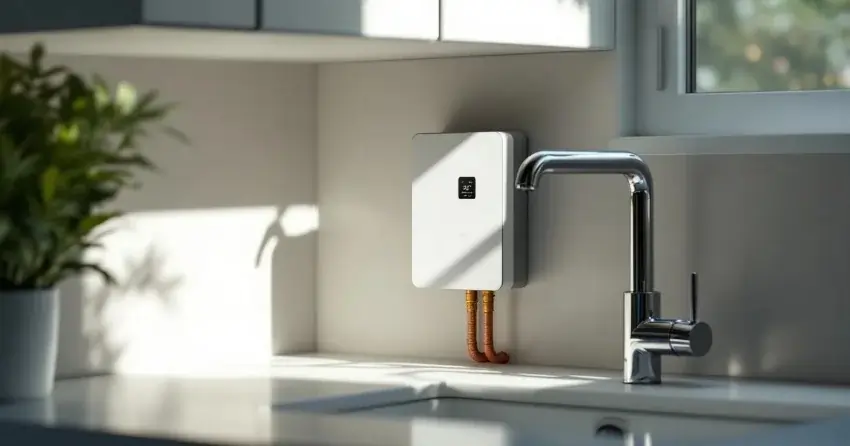
The final price depends on a few things rather than a flat rate. The type of unit comes first, since tankless and gas models involve more parts and checks than a basic electric tank. Next is the work itself: a simple filter cleaning or flush is lighter than replacing a control board, gas valve or heating element. Access matters, as does the condition of nearby piping and venting. Parts availability and the need for permits or code updates can add steps. Ask for an itemized quote that separates labor, parts and any extras so you can compare it with others.
Which details about your water heater should you have ready?
A good call or form entry usually covers four things. What do you have: type, brand, size and fuel. What happened: the symptoms, the timing and what you already tried. Where is it: basement, closet, garage or attic, and how easy to reach. And what matters most: restoring hot water quickly, understanding options or planning an upgrade. Photos of the label and the unit are very helpful if the booking method allows them. That detail lets the company send someone who is likely to carry the right parts and has a realistic sense of the job.
Does a tankless heater need a water softener or scale filter?
Not every home needs one, but hard water makes them worth considering. A softener removes the minerals that form scale, while a scale-control cartridge changes how they behave so they cling less to hot surfaces. Either one can lengthen the time between flushes, though neither replaces maintenance entirely, since grit and wear still occur. A water test tells you where you stand, and a technician can compare the numbers with the manufacturer’s limits. Some manufacturers set limits on water quality for their units, so check the manual before choosing a treatment.
What if the relief valve leaks or will not move?
The temperature and pressure relief valve is a last-resort safety part that opens when heat or pressure in the tank gets too high. Testing it means lifting the small lever for a moment so water flows through the discharge pipe, then letting it snap closed. Stand clear, because the water can be very hot, and make sure the pipe leads somewhere safe. If the valve does not flow, flows and will not close or drips afterward, it should be replaced, not tightened or capped. Many technicians check it during service. If you are unsure, leave the test to a professional.
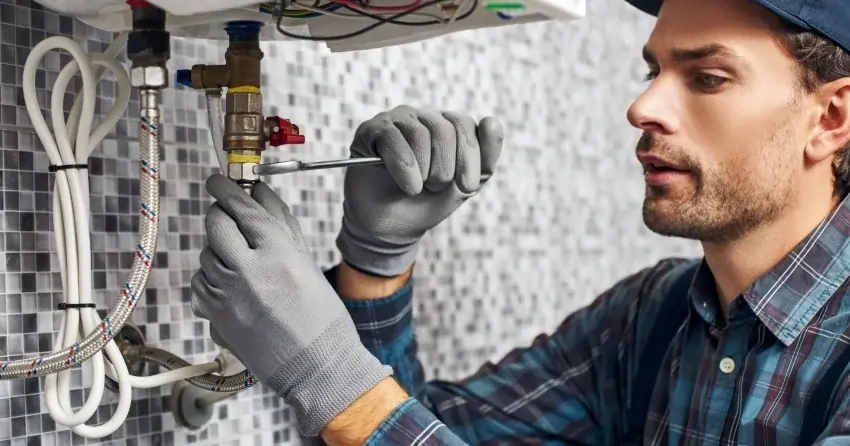
A photo can save a trip
If you can safely snap a picture of what worries you, mention it when you get in touch. It helps the technician bring the right tools and plan the visit. Reach out to Gas Fireplace Edmonton and we will tell you how to share it.
