

































No two households use hot water the same way. A couple living alone, a family with teenagers and a rental with several tenants all put different demands on a heater, and that shapes both the problems that appear and the service that suits them. If “tankless hot water heater repair” is your search, the answers below describe tankless hot water heater repair for homes in Edmonton, covering sizing, upkeep, repairs and the point where replacement starts to make sense.
Tank or tankless: how do the two types compare?
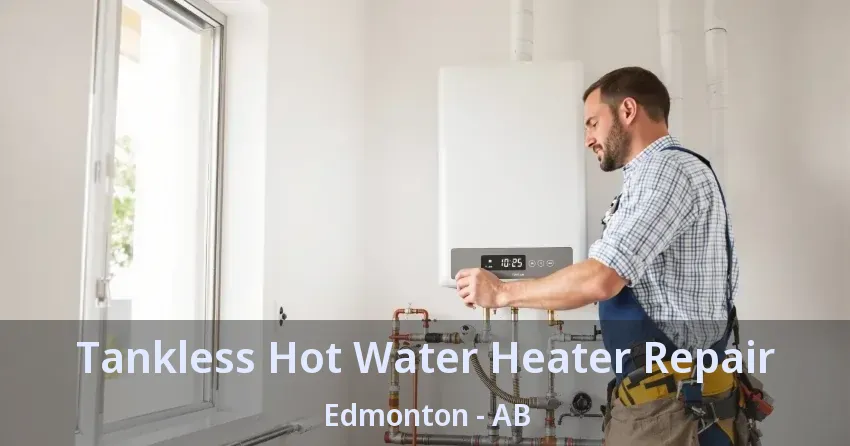
The main difference is storage. A tank heater holds a reserve of hot water, which means it can serve several taps at once until the reserve runs low and then needs time to recover. A tankless heater has no reserve, so the supply lasts as long as the unit can keep up with the flow, but a very large demand can exceed what it delivers. Tankless units are compact and wall mounted, while tanks need floor space. They also differ in venting, upkeep and installation needs, so a technician usually identifies which type you own before suggesting a repair or service.
Why does a tankless heater work at some taps but not others?
When one faucet gets hot water and another does not, the cause is usually flow or plumbing rather than the heater alone. Tankless units need a minimum flow to ignite, and a clogged aerator or a low-flow shower head can stay below that threshold. A faulty mixing cartridge or a cross-connection between hot and cold lines can also confuse a single fixture. Long pipe runs make a distant tap slow to warm. Check whether the problem tracks one fixture, remove the aerator and compare. If every tap struggles, the heater itself needs testing. Mention the pattern when you describe the issue for “tankless hot water heater repair”.
What do tankless water heater error codes mean?
Treat the code as a clue rather than a verdict. One flame-failure code could mean low gas pressure, a dirty igniter, a blocked vent or a weak flame sensor, and replacing the wrong part wastes time. That is why we pair the code with testing: we check supply, venting, sensors and flow before recommending anything. At home, the useful steps are recording the code, noting whether it appears at startup or after running, and making sure nothing is blocking the vent outside. Resetting once is fine; resetting again and again can mask a safety issue that needs attention.
Is a leaking water heater always a sign of a failed tank?
First, find where the water is coming from. Fittings, the relief valve discharge pipe, a drain valve or a loose connection can drip while the tank itself is sound, and those are often repairable. Water seeping from the bottom of the casing usually means the tank has corroded through, which cannot be patched. Whatever the source, turn off the power or set a gas unit to its off position, close the cold water supply valve and keep the area dry. Large amounts of water, or any electrical contact with it, call for staying clear and contacting a professional straight away.
Can a single failed part in a tankless heater be replaced?
In most cases, yes. Igniters, flame sensors, flow sensors, temperature sensors, fans, pressure switches and control boards are serviceable parts, and many repairs involve replacing just one of them. Technicians test components individually rather than swapping several at once, which saves money and avoids new problems. A corroded or badly scaled heat exchanger is the bigger item and sometimes tips the balance toward replacement. Parts availability depends on the brand and age of the unit. Ask whether a replacement part is on hand or needs to be ordered, and what testing follows the fix.
How is a water heater problem diagnosed and repaired?
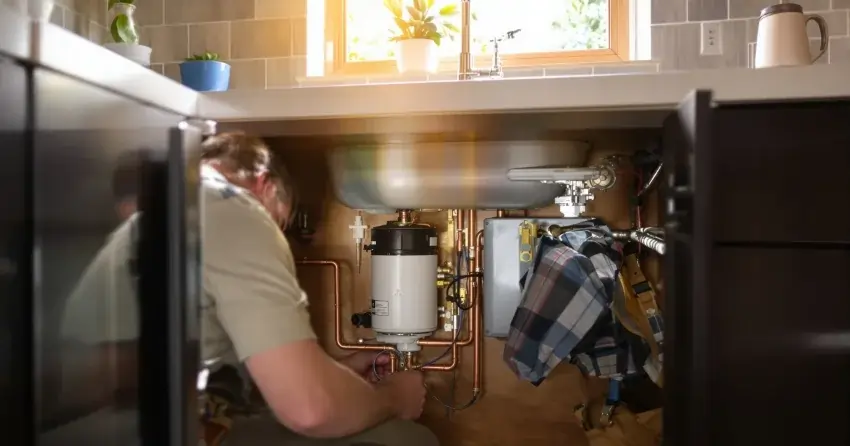
Repair work begins with listening to the symptoms and then confirming them. The technician checks power or fuel supply, reads displays or error codes and measures temperatures. For an electric tank that means testing elements and thermostats with a meter. For gas, it includes inspecting the burner, the pilot or igniter, the flame sensor and the venting. Once the failed part is identified, the technician explains the options and replaces it. Afterward the unit is run through a full heating cycle to make sure the fix holds. Matching replacement parts to the exact model is an important step.
What factors decide between repairing and replacing a water heater?
Use a simple test: does the repair fix the root cause or just one symptom of aging? A new thermocouple on a clean, sound tank solves the problem. A new element on a tank buried in sediment and rust may only delay the next failure. Look at the unit’s age against the typical range for its type, and add up what you have already spent recently. Consider how the old unit fits your household today, including size, fuel and noise. If replacement is on the horizon anyway, doing it on your schedule beats doing it during a cold-water crisis.
Which water heater tasks should you leave to a technician?
There is a useful list of safe jobs. You can look for drips, rust and crusty buildup around fittings, make sure nothing is stored against the unit, check the temperature at a tap, keep the vent area clear and confirm the carbon monoxide alarm works. On a tankless unit, you can note the display and any error codes. Leave gas valves, burners, igniters, electrical panels and venting to trained technicians, and never bypass a safety device. If you notice a gas smell, leave the house and call from outside. When in doubt, take a photo and ask a professional.
What changes when you switch from a tank to a tankless heater?
Tankless suits many homes but not all. Its strengths are a continuous supply, a compact size and, for many households, lower standby energy use. Its tradeoffs include a larger upfront job, venting and gas line upgrades, a flow limit when many fixtures run together and a need for regular descaling. Tanks are simpler and easier to replace like for like, but they take floor space and can run out. Think about household size, the peak hour, available space and current venting. A technician can survey the home and tell you what the switch would involve.
Managing a rental in Edmonton?
Tenants rely on things working, and owners want clear records. We coordinate access, keep the visit short where we can and send a plain summary afterward. Request tankless hot water heater repair for your property and tell us how to reach the occupants.
