

































A water heater looks like a plain cylinder or box, yet its performance depends on small parts: a thermostat, an anode rod, a relief valve, a flow sensor, an igniter, a filter screen. Any of them can turn a dependable appliance into a disappointing one. Homeowners in Edmonton who search for “tankless hot water repair” usually want to know which part is likely behind a symptom. The answers below explain tankless hot water repair in everyday language, without jargon or a sales pitch.
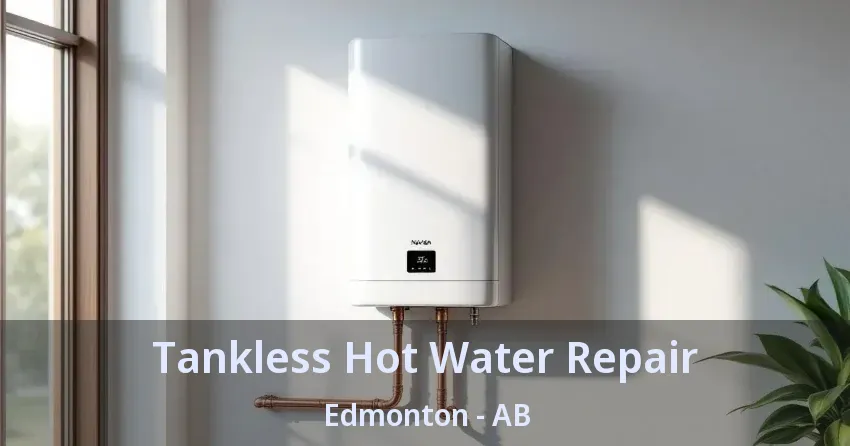
What happens inside your tankless water heater when you open a hot tap?
Picture two versions of the same idea. In the first, a large insulated tank holds forty or fifty gallons that a burner or heating element keeps warm, ready for whenever someone opens a tap. In the second, there is no reservoir at all; flowing water is heated in a compact exchanger the moment demand begins. The tank version trades some standby heat loss for simplicity, while the on-demand version trades a bigger installation for an endless supply. Both are managed by sensors, a thermostat and shutoff controls, which is why many problems trace back to a small part rather than the whole unit.
Why does the water turn cold when the flow is low?
The pattern often tells the story. Hot at first, then cold after a few seconds, usually means the unit is shutting down because flow dropped under its minimum or something tripped. Hot, then a sudden cold burst, then hot again describes the cold slug that arrives when you pause and restart a tap. Constant wobbling between warm and hot suggests a sensor, a modulating valve or scale at fault. Opening the tap a little further sometimes steadies things, which is a hint worth passing on. If it happens at every fixture, the unit is the likely culprit rather than one faucet.
What does a diagnostic visit for a tankless heater involve?
A diagnostic visit is about finding the cause, not guessing at parts. The technician asks about symptoms, then checks the display and error history, the power or gas supply, water pressure and the vent. Test equipment such as a manometer, multimeter or combustion analyzer may come out, depending on the problem. Running the unit at different flow rates shows how it behaves in real conditions. At the end you should hear what failed or what is suspected, the options for fixing it and what each involves. If you searched for “tankless hot water repair”, ask whether the diagnostic work is separate from the repair itself.
What does flushing a tankless water heater involve?
Hard water leaves limestone-like scale inside narrow exchanger passages, much like the crust in a kettle. A flush dissolves that scale without taking the unit apart. The setup uses a bucket, a small submersible pump and two hoses, so the cleaning fluid loops through the exchanger for roughly an hour. Then comes a clear-water rinse until the discharge runs clean. Skipping the shutoff steps can damage equipment, and mixing the wrong chemicals is risky, so this job is usually handled by a trained technician. Scale-heavy units may need a second pass, and a record of the date helps plan the next one.
How many repairs is too many for a tankless water heater?
There is no fixed number, but a pattern is a warning. One repair on a unit in its middle years is routine. Two or three different failures in a short stretch, especially if they involve the heat exchanger, control board or fan, suggest the unit is wearing out as a whole. Compare the cost of the latest repair with your plans for the home and the age of the equipment. Ask the technician for a frank view of what else is likely to fail soon. Sometimes the most sensible fix is to replace the unit, and sometimes it is to repair and move on.
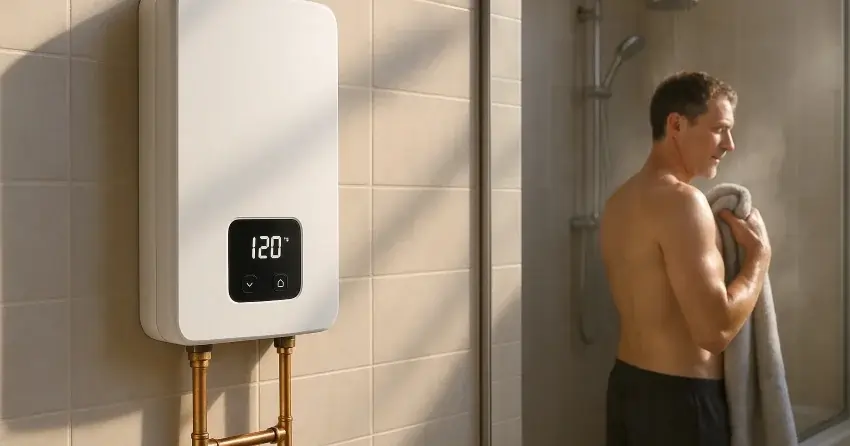
Should you repair or replace a water heater?
Age, the type of fault and repair history decide most cases. A newer heater with a failed element, thermostat, igniter or sensor is usually worth repairing. A tank that leaks from the shell is finished, because the steel cannot be fixed. An older unit with frequent repairs, heavy rust or falling efficiency is a candidate for replacement. Also weigh how much hot water your household needs now, since a repair keeps the old capacity. Ask the technician for both options in writing, with a clear note on what each is expected to fix, and on what it will not.
How do you manage without hot water while the heater is being worked on?
Most visits leave you without hot water for a stretch, and the length depends on the job. A quick part swap might take little time, while a replacement or a repair needing parts means longer. Ask at booking how long the hot water will be off and whether the cold side will stay on. Prepare by showering beforehand, running the dishwasher early and filling the kettle. When the work finishes, do not expect instant results: a full tank needs time to heat, and a tankless unit may need air purged from the lines before the temperature steadies.
How often does a tankless inlet screen need cleaning?
Most tankless units have a small mesh screen where the cold supply enters. It catches grit, scale flakes and debris before they reach the exchanger. When it clogs, flow drops, temperatures swing and error codes can follow. Cleaning it is simple on many models: turn off the power, close the water isolation valves, release any pressure, unscrew the filter housing and rinse the screen under a tap, brushing gently. Reinstall it, reopen the valves slowly and check for drips. Follow the manual for your unit, and ask a technician if the filter looks damaged or the valves are stiff.
Should you replace a tank with a tankless unit?
Ask what problem you are trying to solve. If it is running out of hot water, tankless can help but only if the unit and gas supply are sized for your peak demand. If it is floor space, wall mounting frees the room. If it is energy bills, savings depend on how much hot water you use. Be aware of the conversion work: a different vent system, possibly a bigger gas line, new electrical needs and a condensate drain. Some homeowners find that keeping a tank is simpler. Either choice is sound when it matches how your household really lives.
Talk to Gas Fireplace Edmonton about tankless hot water repair
We are glad to explain the process, the likely timing and what affects the price before you decide anything. Most people find that a few minutes of conversation answers the questions this page could not. Send us a message and we will reply with clear next steps.
