

































The first cold morning of the season has a way of exposing weak spots, and a water heater that struggles to keep up is a classic one. Lukewarm showers, rumbling sounds and a puddle near the base all deserve a closer look. If “tankless water heater maintenance” is what brought you here from Edmonton, the answers below explain what those signs usually mean, how tankless water heater maintenance is carried out and when waiting is fine and when it is not.
Does a water heater need maintenance?
Yes. A water heater works quietly for years, but minerals, corrosion and wear keep building in the background. Scale on a tankless exchanger or sediment in a tank forces the unit to work harder, which can mean longer heating times, strange noises and higher energy use. Anode rods in tanks wear away while protecting the steel, and relief valves can stick if they are never tested. Routine maintenance clears buildup, inspects safety parts and catches small faults while they are still easy to fix. It is usually less disruptive than losing hot water on a busy morning, and it can extend the working life of the equipment.
Why does the hot water run out so quickly?
Start by asking whether this is new or has always been the case. If the supply was fine until recently, something has changed inside the heater: buildup, a failing part or a control issue. If it has always been short, the unit may be too small for the household’s habits, such as back-to-back showers, a large tub or a laundry day that overlaps with dishwashing. Spreading out heavy uses can help while you investigate. A technician looks at recovery time for a tank or maximum flow for a tankless unit, and compares it with what your home really demands.
What does a tankless water heater tell you before it needs maintenance?
It rarely stays quiet. The earliest hint is usually a slower arrival of hot water or a drop in flow at the shower. Next come small temperature wobbles, a new whistle or rumble from the cabinet, and a display that begins to flag scale, flow or exhaust warnings. Some units keep a count of operating hours or prompt for a flush. Spotty glassware, white crust on fixtures and a shorter flush interval than last time all suggest the water is hard. Treat any of these as a cue to schedule upkeep soon, rather than waiting for a full shutdown.
How does a sacrificial rod protect a tank water heater?
Inspect one and you can read the story of your water. A rod that is nearly intact suggests gentle conditions, while a rod chewed down to bare wire tells you the tank is now relying on its own steel for protection. Checking it is a short job when there is overhead room to pull it. Replacement rods come in several materials, and the choice can affect odor problems and wear rate. This is one of the simplest ways to protect a tank, because the rod is small and the tank is large. Tankless units have no anode, so it applies only to storage models.
What gets checked during tankless maintenance besides the flush?
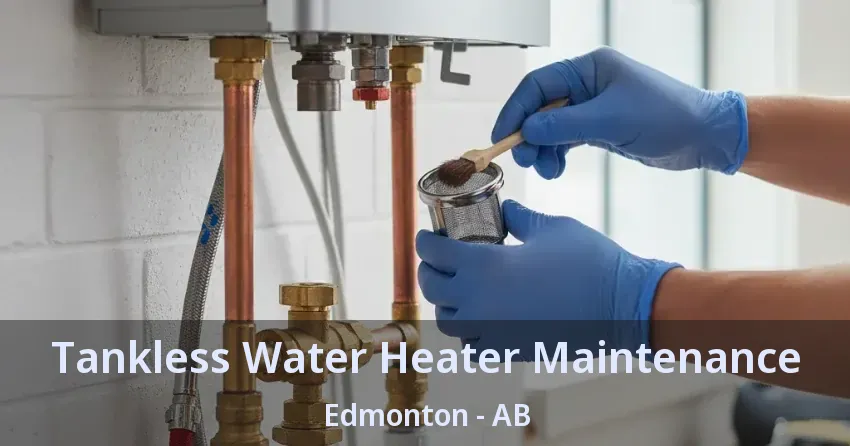
The flush gets the attention, yet the rest matters just as much. A technician examines the burner and igniter, the fan wheel for dust and lint, the flame rod, air intake screens and exhaust piping for gaps or discoloration. Water-side checks cover the inlet filter, the flow sensor, pressure and the temperature readings against the display. Gas connections are leak-tested, and electrical terminals are inspected for heat marks. The unit’s settings and error log are reviewed. Searching for “tankless water heater maintenance” turns up many offers, so ask which of these items are in the standard visit.

Does hard water change how often a tankless heater needs flushing?
Many manufacturers suggest flushing a tankless unit about once a year, but water hardness is the deciding factor. In soft-water areas, intervals can stretch. In hard-water homes, scale builds faster and may call for more frequent flushes, or a scale-reduction device on the supply line. Signs that it is overdue include lower hot water flow, longer waits for heat, temperature swings, whistling and error codes related to scale or overheating. Keep a note of the date of each flush so you can adjust the schedule. A water test can help set the right interval.
How can you make a water heater visit go smoothly?
Think of the visit from the technician’s side. They will want to reach the unit from the front, see the label, get to the shutoffs and have somewhere to set tools. Moving clutter ahead of time often saves a surprising amount of effort. If the heater is in a finished basement, a garage or an attic, mention any steps, tight spaces or locked doors. Jot down a timeline of the problem, because details like it only fails on laundry day point toward causes. Planning a short window without water use also helps, since valves may be closed during the visit.
What should you do with your water heater when you are away or the power fails?
Long gaps and cold snaps are the two situations worth planning for. If you are leaving for a few weeks, a lower temperature setting avoids pointless heating, and shutting the main water valve reduces the chance of a leak flooding the home while you are away. Before using the heater again, run hot taps to purge air and watch for drips. In freezing weather, unheated spaces are the risk: a frozen pipe or a frozen condensate line on a tankless unit can stop it working or crack a fitting. Insulate, heat the room and know where your shutoff is.
Does the brand of your tankless water heater limit who can repair it?
Most companies are comfortable with the major brands because tanks share common parts such as elements, thermostats, anode rods and relief valves. Tankless models are more manufacturer-specific, with boards, sensors and exchangers that differ by maker. Before booking, share the brand and model from the rating plate and ask whether the technician has worked on it. For discontinued or imported units, parts can take longer or be unavailable, which can tip the decision toward replacement. A company that is honest about its limits is easier to rely on than one that promises everything.
Planning ahead for tankless water heater maintenance
If you already know the work needs doing, booking early gives you more choice of dates and less to think about later. Tell us roughly when you would like the visit in Edmonton and we will hold a time for you. Reserve your visit.
