

































When hot water fades, the question that follows is almost always the same: fix it or replace it? The honest answer depends on the age of the unit, the kind of fault and what a repair would involve. If you came here from Edmonton after a search for “water heater installation”, this page walks through the signs, the checks and the factors that matter for water heater installation, so you can talk to a technician with a clearer idea of your options.
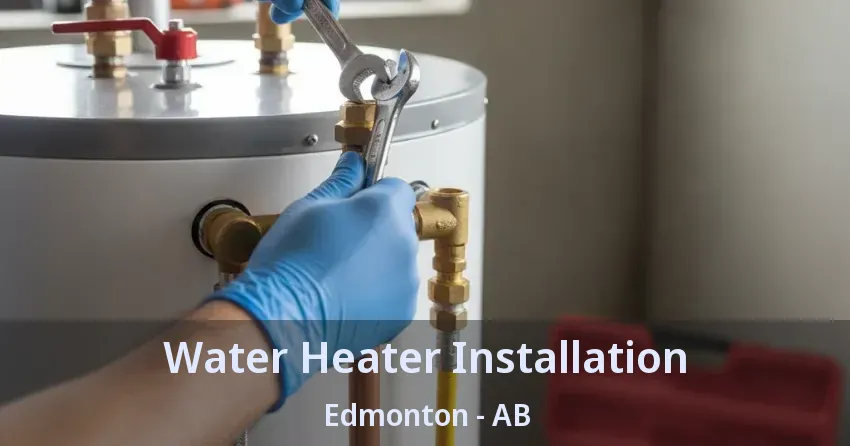
Why does a tank water heater keep the water hot all day?
Think of a thermos with a heater attached. Cold water drops to the bottom of the tank, where the heat source sits, and the warmed water rises, so the hottest water is always at the top where the outlet pipe takes it. A dip tube carries incoming water down, a thermostat monitors temperature and a drain valve at the base lets the tank be emptied for flushing. Gas tanks add a flue running up through the center that carries exhaust away. Knowing this layout explains the usual troubles: sediment settles at the bottom, rust attacks the inside and the heating parts wear first.
Can a new water heater go in a different spot than the old one?
Often it can, with some planning. Moving a heater means extending or rerouting water lines, venting, fuel or electrical supply and the drain or discharge pipe, so the job grows with the distance. The new spot also needs the clearances the manufacturer requires, adequate combustion air for gas units, a floor that can bear the weight and protection from freezing. Moving to a more convenient place, closer to the bathrooms, can shorten the wait for hot water. When you search for “water heater installation”, mention any relocation wish early so the quote reflects it.
How much of your day does a water heater installation need?
Length depends on how much needs to change. A direct swap in the same spot, with the same fuel and vent, is the quickest case because most connections line up. Anything that adds work adds time: relocating the heater, extending a vent, upgrading a gas line, installing a drain pan or a new circuit. Allow time at the end too, since filling, purging air, testing and walking you through the controls cannot be rushed. Ask during booking whether the plan fits one visit, and what the technician needs beforehand so the schedule holds.
Do local rules affect where your water heater can be installed?
In many municipalities, replacing a water heater, and especially changing fuel type, venting or gas piping, requires a permit and sometimes an inspection. Rules differ by town, which is why it is wise to ask whoever installs the unit. A conscientious installer knows what your local office expects, handles the paperwork when required and schedules any inspection. Skipping permits can create problems later, for example when selling a home. Ask the company at booking whether a permit applies to your job and who will apply for it, so nothing is left to chance.
How do you choose the right size water heater?
Start by picturing the busiest hour in your home. How many showers, how much laundry and dishwashing overlap? A shower head and a kitchen tap might each draw a couple of gallons per minute, and those numbers add up quickly. A tank is sized by what it can supply and recover in that peak window. A tankless unit is sized by maximum simultaneous flow and the temperature rise needed, which depends on how cold the water enters your home in winter. Future plans matter too: a new bathroom or a bigger family changes the calculation.
What aftercare does a newly installed water heater need?
Think of the first week as a shakedown. Run each hot tap for a minute to clear air, glance at the fittings and the discharge pipe for drips, and listen for anything unusual. Tankless owners should learn the display, how to read codes and where the filter sits. Tank owners should note the temperature dial position. If anything seems off, such as a persistent smell, repeated shutdowns or water that never gets properly hot, call the installer promptly rather than waiting. Put a reminder in your calendar for the first maintenance visit so the new unit starts on the right schedule.
What happens to the old water heater after a replacement?
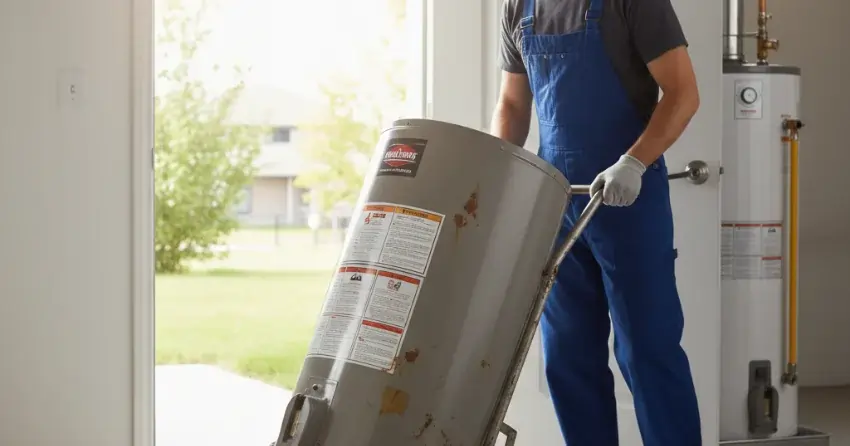
The old unit is drained, disconnected and carried out, and most installers take it away as part of the job. Metal tanks are generally recycled. Make sure the quote says whether removal is included, because some companies charge for it or leave it with the homeowner. If the old heater is leaking or heavy with sediment, mention it beforehand so the crew can prepare. Before it goes, ask the installer to point out what failed, such as a corroded bottom or a worn anode rod, so you can learn from it.
What is a hot water recirculation system?
If your kitchen is far from the heater, you probably know the routine of running the tap while cold water drains away. Recirculation tackles that wait. A return line or a crossover valve lets a pump keep water gently moving, so hot water is nearly there when you need it. Timers and demand switches limit when the pump runs, which keeps energy use sensible. Not every house has a convenient return path, and some tankless units need specific kits so they do not cycle on and off. That is why a plumbing assessment comes before any purchase.
How can you compare two water heater quotes fairly?
A good quote spells out the scope in plain language: what is being repaired or installed, the brand and model, the parts, the labor and any extra items such as venting, valves, a drain pan or a permit. It should say whether disposal of the old unit is included, what happens if hidden problems appear and how long the work is expected to take. Look for details about manufacturer coverage on the equipment and about the installer’s own workmanship terms. When comparing two quotes, line up each item rather than the totals, because a lower total can simply leave things out.
Want a straight answer about your water heater?
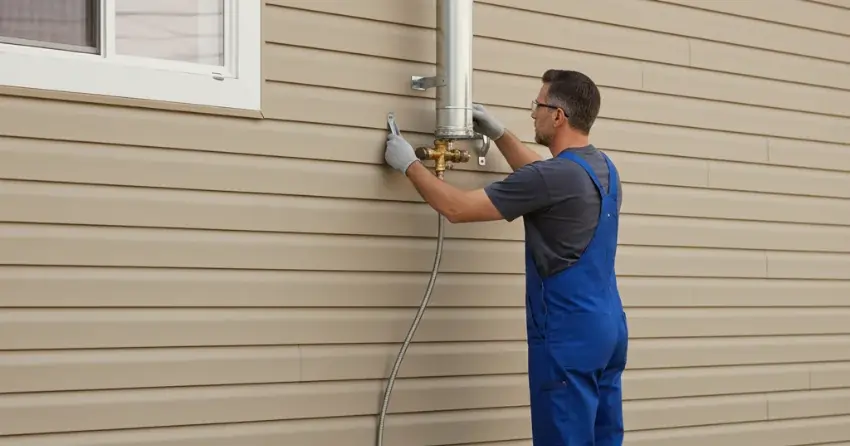
Sometimes the most useful thing is simply knowing whether there is a problem at all. A visit from Gas Fireplace Edmonton gives you that answer, along with practical advice for keeping things in order. Call (587) 853-6668 to set one up.
