

































Hot water is the kind of comfort nobody notices until a shower turns cold halfway through. A water heater sits quietly in a closet, basement or garage for years, then suddenly becomes the most important appliance in the house. If you searched for “water heater maintenance”, this page answers the questions homeowners around Edmonton ask most often: how tank and tankless units work, what the usual warning signs are and what a visit for water heater maintenance actually involves. It also marks the jobs that belong to a trained technician.
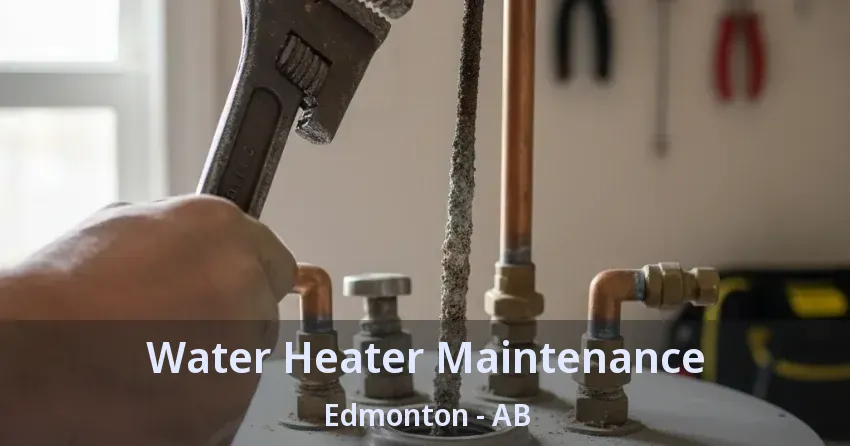
How does draining a tank yourself compare with a full maintenance visit?
Draining and flushing is one task out of several. A visit adds testing the relief valve, checking the anode rod, inspecting the thermostat and elements or burner, examining the venting and the gas or electrical connections, and looking for corrosion and leaks. Homeowners can handle a basic flush if the valves are in good shape, but stuck drain valves and hot water call for care. If you searched for “water heater maintenance”, decide whether you want a simple flush or a complete check. A complete check finds problems that a flush alone would never reveal.
What is inside a traditional tank water heater?
A storage heater is a steel tank wrapped in insulation, with a cold supply pipe that feeds water in near the bottom and a hot outlet drawing from the top. Heat comes from a burner under the tank or from elements submerged in it, controlled by a thermostat. When the water temperature drops below the setting, the thermostat calls for heat until the water recovers. A sacrificial anode rod hangs inside to attract corrosion, and a relief valve guards against excess pressure. Because the tank keeps its contents warm, a small amount of energy is used even when no one is home.
Why does the hot water run out after a short shower?
Hot water that disappears after a few minutes means the supply is smaller than the demand. In a tank, sediment may have displaced part of the volume, a broken dip tube may be sending cold water to the top, or a failing lower element may leave half the tank unheated. A household that has grown, or has added a soaker tub or an extra bathroom, can simply outgrow the capacity. Tankless models can fall short when scale restricts flow or when several fixtures run together. A technician can test the unit, measure flow and tell you whether the issue is a fault or a sizing limit.
What does a water heater anode rod do?
Inspect one and you can read the story of your water. A rod that is nearly intact suggests gentle conditions, while a rod chewed down to bare wire tells you the tank is now relying on its own steel for protection. Checking it is a short job when there is overhead room to pull it. Replacement rods come in several materials, and the choice can affect odor problems and wear rate. This is one of the simplest ways to protect a tank, because the rod is small and the tank is large. Tankless units have no anode, so it applies only to storage models.
What shortens the life of a water heater?
Storage tank heaters commonly last around a decade, sometimes more with good care and sometimes less in harsh conditions. Tankless models are often rated for roughly twice as long when maintained. The real number depends on water hardness, usage, installation quality and upkeep. Signs of aging include rust-colored water, leaks near the base, frequent repairs, rumbling noises and falling output. Flushing, anode rod checks and descaling help slow wear. When a tank starts to leak from the shell itself, replacement is the only fix, so planning ahead beats waiting for a flood.
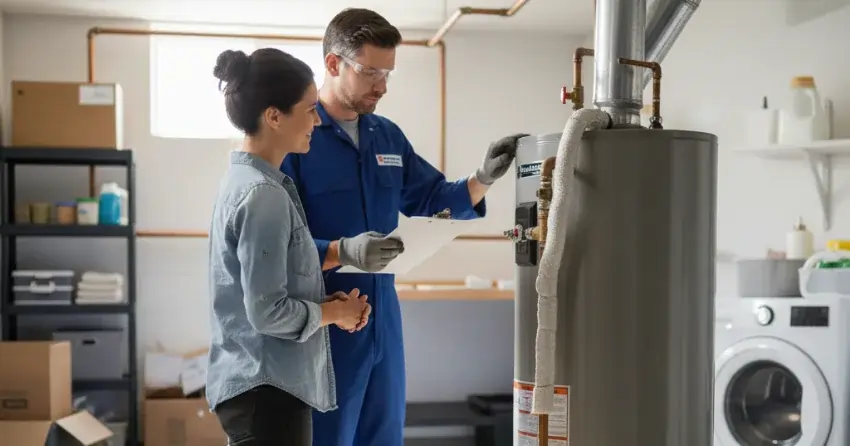
What should you tell the company when booking water heater work in Edmonton?
A good call or form entry usually covers four things. What do you have: type, brand, size and fuel. What happened: the symptoms, the timing and what you already tried. Where is it: basement, closet, garage or attic, and how easy to reach. And what matters most: restoring hot water quickly, understanding options or planning an upgrade. Photos of the label and the unit are very helpful if the booking method allows them. That detail lets the company send someone who is likely to carry the right parts and has a realistic sense of the job.
What should a water heater maintenance log include?
Keep it simple. Record the date of each visit, the type of work done and who did it. Note the temperature setting, the condition of the anode rod and relief valve, how much sediment came out and any parts replaced. Add the model and serial numbers and the installation date at the top. A page in a folder or a note on your phone is enough. Over a few years the log shows how fast buildup forms in your home, which lets you adjust the schedule, and it helps the next owner understand the equipment.
What does the filter on a tankless water heater do?
Think of the screen as a gatekeeper. Anything that slips past it ends up in narrow passages that are hard to clean. After plumbing work, a water main repair or construction nearby, particles stir up and the screen collects them quickly, so check it afterward. In ordinary conditions a look every few months is enough. Gray flakes mean scale breaking loose, while sand points to the supply. Always isolate power and water before opening anything, keep a towel handy for a splash and avoid cross-threading the housing. Gas models should stay untouched except for this one screen.
What simple checks can you do on your water heater between visits?
There is a useful list of safe jobs. You can look for drips, rust and crusty buildup around fittings, make sure nothing is stored against the unit, check the temperature at a tap, keep the vent area clear and confirm the carbon monoxide alarm works. On a tankless unit, you can note the display and any error codes. Leave gas valves, burners, igniters, electrical panels and venting to trained technicians, and never bypass a safety device. If you notice a gas smell, leave the house and call from outside. When in doubt, take a photo and ask a professional.
Ready when you are
Whether you want to book now or just gather information first, we are glad to help. Ask your questions about water heater maintenance, your water heater or the timing that suits you. Contact Gas Fireplace Edmonton for homes across Edmonton.
