

































The easiest time to think about a water heater is before it fails, but most of us only do so when a cold shower forces the issue. Whether you are comparing options, planning an upgrade or trying to make sense of a recent problem, this page is built to help. You searched for “water heater repair” in Edmonton, so the answers focus on water heater repair: what to expect, what to prepare and how to choose the right kind of help.
What safety devices does a water heater have?
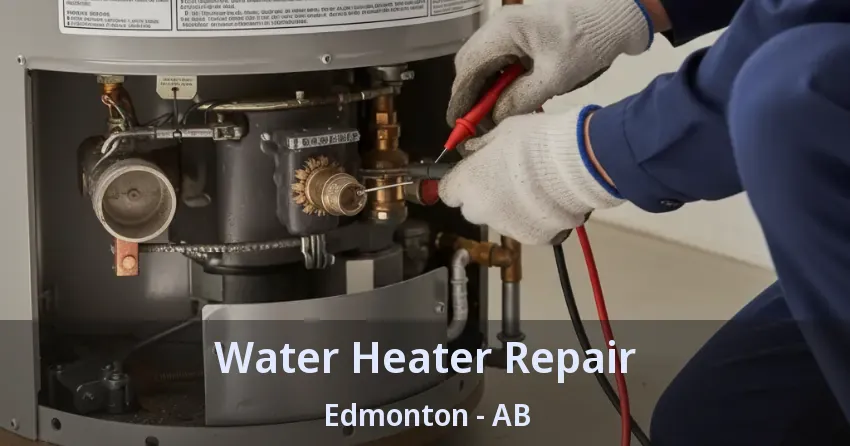
A water heater is built with several layers of protection. A temperature and pressure relief valve opens if heat or pressure climbs too high, sending water down a discharge pipe instead of letting the tank take the strain. A high-limit switch cuts power or fuel when water gets too hot. Gas models add a flame sensor or thermocouple that closes the gas valve if the flame goes out, plus a vent that carries exhaust away. These parts only protect you while they work, which is one reason an occasional inspection matters even when the hot water seems fine.
Why did the hot water suddenly stop?
When the hot water stops completely, the cause usually falls into one of a few groups. A tripped breaker or blown fuse cuts power to an electric tank or to a tankless control board. On a gas unit, a pilot or igniter that fails, a closed gas valve or a flame sensor problem can stop the burner. Heating elements, thermostats and high-limit switches also wear out over time. Before calling, check the breaker or the unit’s display and look for water on the floor. Do not open panels or touch gas parts; give the technician your symptoms and any error code you can see.
How can an error code help a technician fix a tankless heater?
Error codes are the unit’s way of telling you which system tripped. Although every manufacturer numbers them differently, most fall into familiar groups: ignition or flame failure, a venting or air supply problem, an overheating or temperature sensor fault, a water flow issue, a scale warning or an internal board error. Your manual or the sticker inside the cover lists the exact meaning for your model. Write the code down, note what the unit was doing and try a power reset only if the manual allows it. Repeated codes point to a real fault that a technician should diagnose.
Which parts fail most often on a tank water heater?
The usual suspects are the ones doing the hardest work. In electric tanks, heating elements and thermostats top the list. In gas tanks, thermocouples, pilot assemblies, gas control valves and flame sensors take the lead. In both, the relief valve, drain valve and dip tube can fail, and the anode rod wears out quietly until the tank itself starts to rust. Many of these are small parts that a technician can replace in one visit. The tank shell is the exception: once it leaks, repair is no longer possible.
How can you tell whether a water heater repair is likely to last?
Look at the cause, not just the part. If the failed part was simply worn out in a unit that is otherwise clean and sound, the repair is likely to hold for a good while. If it failed because of sediment, overheating, corrosion or poor venting, the underlying issue will damage the replacement too unless it is addressed. Ask the technician what caused the failure and what else they noticed. A written note on the work, the part used and the condition of the tank gives you a baseline for judging how it holds up.
When does replacing your water heater make more sense than another repair?
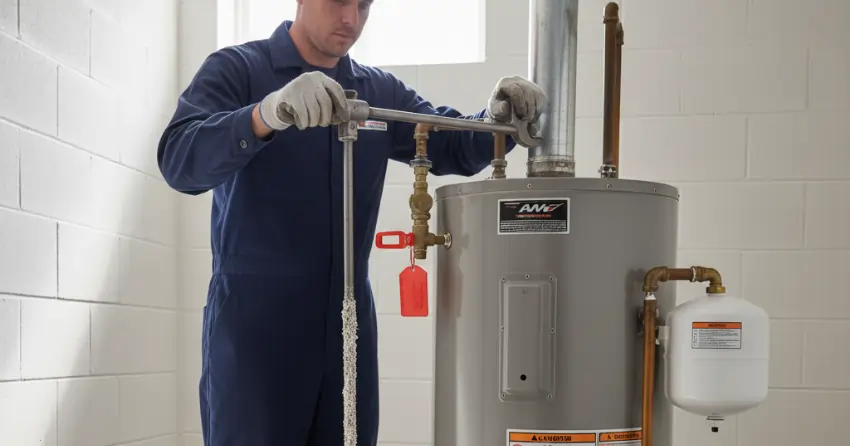
Age, the type of fault and repair history decide most cases. A newer heater with a failed element, thermostat, igniter or sensor is usually worth repairing. A tank that leaks from the shell is finished, because the steel cannot be fixed. An older unit with frequent repairs, heavy rust or falling efficiency is a candidate for replacement. Also weigh how much hot water your household needs now, since a repair keeps the old capacity. Ask the technician for both options in writing, with a clear note on what each is expected to fix, and on what it will not.
How should you prepare for a water heater visit?
A few small steps save time. Clear a path to the heater and remove stored boxes, laundry or paint cans from around it, since technicians need room to work and gas appliances need clearance. Make sure lighting is adequate. Write down what you have noticed, such as symptoms, noises, error codes and when they began. Locate the water shutoff valve, the electrical panel or gas shutoff, and mention any recent plumbing work. Keep pets away from the work area, and have the manual or model label handy if you can find it.
Which water heater tasks should you leave to a technician?
The dividing line is simple: look, listen and write things down, but do not take parts apart. A monthly glance costs a minute and can reveal moisture, discoloration, scorch marks or corrosion long before water reaches the floor. Listening for new noises and noting how long hot water takes to arrive gives a technician valuable history. Anything that involves opening a gas train, probing electrical terminals, changing vent pipes or removing safety valves belongs to someone with the training and tools. A flush or descale is manageable for some owners, but it only works well with the right valves, fluids and sequence.
Is a tankless water heater right for your home?
Tankless suits many homes but not all. Its strengths are a continuous supply, a compact size and, for many households, lower standby energy use. Its tradeoffs include a larger upfront job, venting and gas line upgrades, a flow limit when many fixtures run together and a need for regular descaling. Tanks are simpler and easier to replace like for like, but they take floor space and can run out. Think about household size, the peak hour, available space and current venting. A technician can survey the home and tell you what the switch would involve.
Know the price before work starts
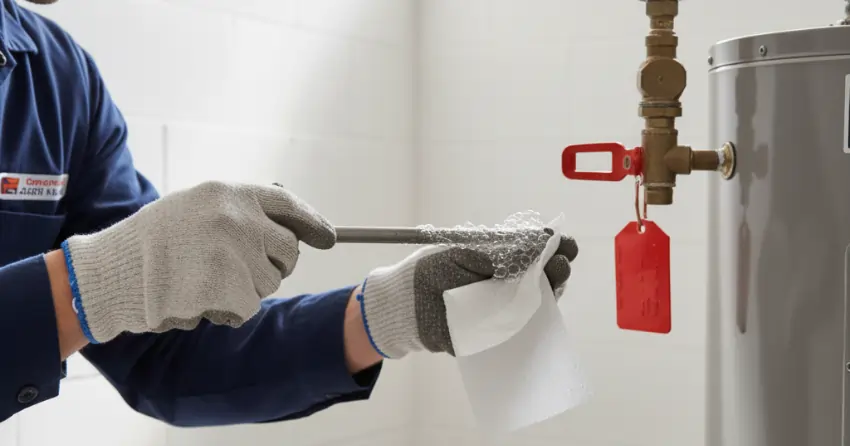
We agree on the scope and the price before any work begins, and we check in with you if we find something that changes the plan. Request your quote for water heater repair and see exactly what is included for your home.
