

































No two households use hot water the same way. A couple living alone, a family with teenagers and a rental with several tenants all put different demands on a heater, and that shapes both the problems that appear and the service that suits them. If “water heater service” is your search, the answers below describe water heater service for homes in Edmonton, covering sizing, upkeep, repairs and the point where replacement starts to make sense.
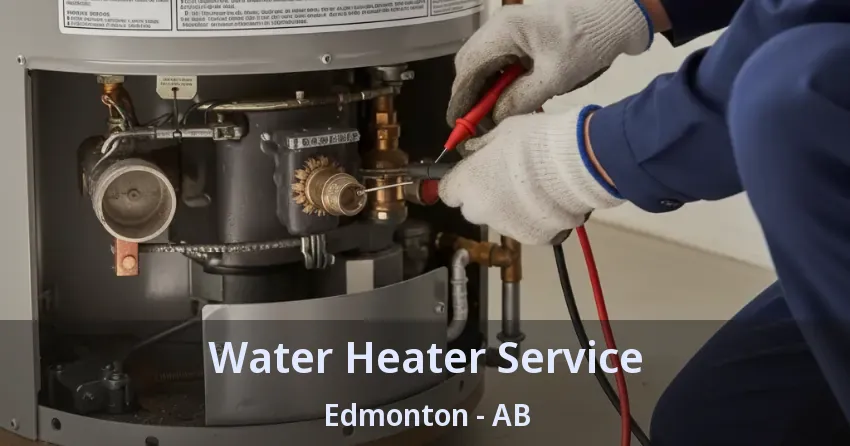
What are the main parts inside a tankless water heater?
Inside the cabinet you will find a heat exchanger, a burner or heating elements, a fan on gas models, a flow sensor, temperature sensors, an inlet filter and a control board that coordinates all of it. Cold water enters, passes the filter and flow sensor, then picks up heat in the exchanger before leaving through the outlet. The board compares sensor readings with the target temperature and adjusts the flame or power accordingly. Each part is small, and several are sensitive to mineral scale, which is why these units reward regular flushing and why a fault often comes down to one clogged or worn component.
Is brown hot water a sign the tank is failing?
Hot water that smells like sulfur, or runs brown, is usually a tank issue, so compare the cold and hot taps. A rotten-egg smell on the hot side only often comes from a reaction between the anode rod and sulfur compounds in the water, and swapping the rod type can help. Rust-colored water on the hot side only may come from corroded fittings or a tank wearing out inside. If the water is rusty at both taps, the cause is probably the supply pipes. Never confuse any of this with a gas smell, which means leaving the home and calling the gas utility from outside.
What does a technician check on your water heater?
A typical visit starts with questions about what you have noticed, followed by a visual inspection of the unit, its connections, venting and surroundings. The technician then checks thermostat settings, tests safety devices such as the relief valve and looks for leaks, corrosion and scale. Depending on the type, the visit may include flushing a tank, descaling a tankless exchanger, cleaning filters, checking the anode rod and testing combustion on gas models. Afterward the technician runs the heater, measures temperature and flow and explains what was found. Findings that need parts are discussed before any extra work is done.
How often should a water heater be serviced?
Once a year is a sensible default for most households, often scheduled before the heating season when demand rises. Hard water, a large family or heavy daily use can justify more frequent attention, particularly for tankless descaling. Tank flushes are often done yearly as well, while anode rods might be inspected every few years depending on water conditions. Check your unit’s manual for the schedule it recommends. If you notice noises, temperature swings or slow recovery, do not wait for the calendar; those symptoms mean the heater is asking for help sooner than planned.
How often does a rental or second property need water heater service?
Properties that are used differently have different needs. A rental with several tenants puts heavy daily demand on the heater and benefits from regular checks, because nobody living there has a reason to notice a slow decline. A cottage or seasonal home sits idle for long periods, so the heater may need draining, restarting and a careful look for leaks each season. Shared buildings often have larger equipment and building managers to coordinate access. Whatever the setup, a written schedule and a clear contact for access keep service from being forgotten.
Can you use your water heater again right after the visit?
Plan for a gap, and it will feel minor. Heat a kettle or a pot for washing dishes, take a quick wash with warm water from the stove and save full showers for a friend’s home or a gym if the work spans a day. Fill a few containers with cold water ahead of time if the main supply will be shut off. Ask the technician when the water will be turned back on and when the heater is expected to recover. After a tank is refilled, hot water can take a while to build up, so patience is part of the process.
What should you be told at the end of a water heater service?
A good visit ends with a plain summary. You should hear what was checked, what was done, what the readings were and whether anything needs attention soon. The technician should point out any part that is wearing, give a rough idea of the remaining life if they can judge it and suggest when the next visit makes sense. Ask for anything unclear to be explained and for the notes in writing. If a repair was proposed, find out whether it is urgent or can be scheduled, and what happens if you wait.
How often does a tankless inlet screen need cleaning?
Most tankless units have a small mesh screen where the cold supply enters. It catches grit, scale flakes and debris before they reach the exchanger. When it clogs, flow drops, temperatures swing and error codes can follow. Cleaning it is simple on many models: turn off the power, close the water isolation valves, release any pressure, unscrew the filter housing and rinse the screen under a tap, brushing gently. Reinstall it, reopen the valves slowly and check for drips. Follow the manual for your unit, and ask a technician if the filter looks damaged or the valves are stiff.
Will a technician work on any brand of water heater?
Most companies are comfortable with the major brands because tanks share common parts such as elements, thermostats, anode rods and relief valves. Tankless models are more manufacturer-specific, with boards, sensors and exchangers that differ by maker. Before booking, share the brand and model from the rating plate and ask whether the technician has worked on it. For discontinued or imported units, parts can take longer or be unavailable, which can tip the decision toward replacement. A company that is honest about its limits is easier to rely on than one that promises everything.
One call to get things moving
The hardest part is often deciding to deal with it. Once you call (587) 853-6668, we take care of the scheduling, explain the visit and send a technician to your home in Edmonton. It is a straightforward way to get your water heater looked after.
