

































Buying a house with a fireplace or wood stove, or finally deciding to use one that has sat cold for years, raises a lot of questions at once. Homeowners in Edmonton who type “wood burning fireplace repair” are often in exactly that spot. The answers that follow walk through wood-burning fireplace repair step by step, so you know what to ask, what to expect from a visit and when it is safe to enjoy a fire again.
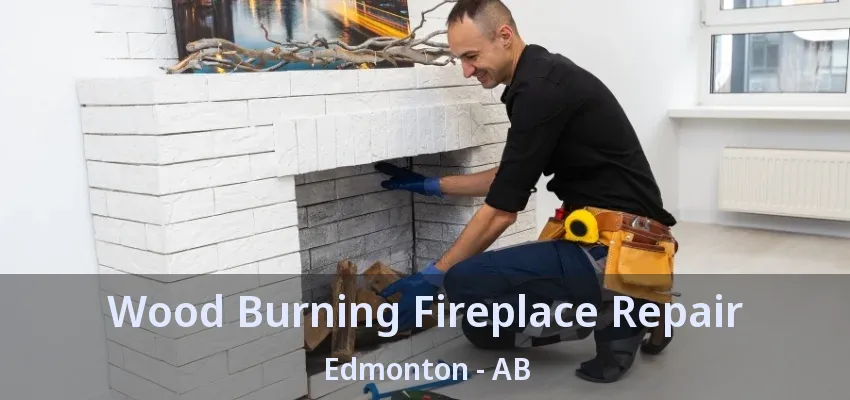
Should your fireplace be repaired or replaced?
Repairing is usually worth it, because the costly parts of a wood-burning setup, such as the chimney and the masonry around a fireplace, are built to last a very long time. Worn mortar, a rusted damper, cracked firebrick and tired door gaskets are all fixable. Replacement starts to make sense when the main body is failing: a stove with a cracked or badly warped body, a factory-built fireplace whose metal box has rusted through, or masonry so damaged that rebuilding approaches the cost of starting over. A technician can lay out both paths with their pros and cons so you can compare them calmly.
How would you know if your fireplace had a chimney fire?
The signs fall into two groups: what you hear during the fire and what we find after it. A fast chimney fire is often described as sounding like a freight train or a jet engine, with popping as tiles and deposits heat up. In that moment, the only job is to leave the house and call the fire department. Afterward, we look for creosote that has swelled into a honeycomb texture, discolored or distorted metal, cracked liner sections and stains where smoke escaped through gaps. Those clues matter because a quiet chimney fire can damage a flue without anyone noticing.
Why does a fireplace puff smoke back into the living room?
Smoke comes into the room when the chimney is not pulling air upward strongly enough, and the cause is usually one of a few things. The damper may be partly closed, the flue may be cold when the fire is lit, or a nest, debris or heavy creosote may be blocking the path. Strong kitchen or bathroom fans and very airtight homes can also pull air down the chimney. Open the damper fully and crack a nearby window when lighting the fire. If smoke keeps spilling, stop using the fireplace, have it checked and make sure your carbon monoxide alarms work.
How are cracked fireplace tiles repaired?
Cracked tiles are replaced one at a time when the base underneath is sound, and that base is the first thing we check. A single crack from a dropped log is a simple swap: we cut out the grout, lift the broken pieces, clean the bed and set a replacement using materials rated for the heat near a fire. Several cracks running in a line usually mean the hearth slab has shifted or the substrate is failing, and swapping tiles alone will not hold. Near the opening we avoid ordinary household tile adhesives, which can break down with heat and leave tiles loose again.
How is a worn-out firebox rebuilt?
A rebuild makes sense when patching would only buy a little time, and the telltale picture is easy to recognize: open joints across the back wall, bricks that shift when pressed and old repair mortar flaking away in layers. The work starts with careful demolition, taking out the damaged firebrick while protecting the damper and smoke chamber above. We check the masonry behind for heat damage, then set new firebrick with thin joints of refractory mortar, keeping the original shape so the fire draws as before. Factory-built fireplaces are different: they use refractory panels, replaced with parts made for that unit.
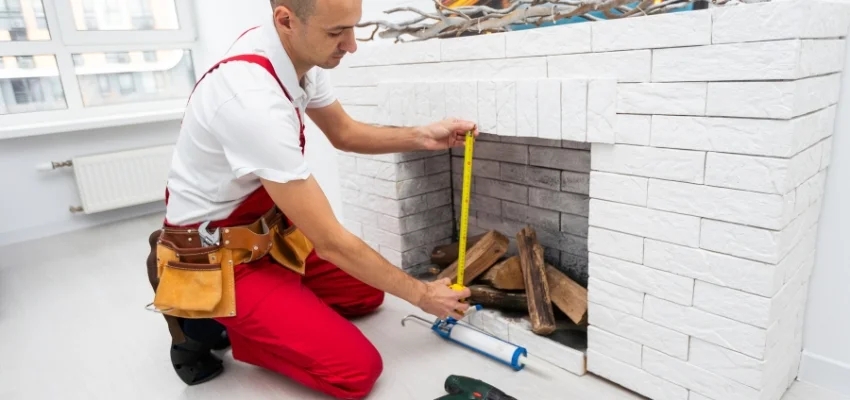
What is a fireplace lintel, and why might it need repair?
A lintel is the steel angle or support that carries the brick above the fireplace opening. Over time, heat and moisture cause it to rust, and rust expands, pushing on the surrounding mortar and brick. Signs include a crack running up from the corners of the opening, bricks above the opening that sag or shift and rust stains on the face. Depending on the damage, the lintel may be cleaned, coated and reset, or replaced, which means supporting the brick above while the work is done. It is a job for an experienced mason or fireplace technician.
How often does your fireplace need cleaning?
A common guideline is to have the chimney inspected once a year and swept whenever buildup calls for it, which for many households also works out to about once a year. Homes that burn a fire most evenings through the colder months may need a sweep more often, sometimes partway through the season, while a fireplace used a few times a year may go longer between cleanings. Wood stoves used as a main heat source tend to build up creosote faster. Damp wood, smoldering fires and cold outside chimneys all shorten the interval, so let the yearly check guide the schedule.
How do burning habits affect the need for fireplace repairs?
Burning habits have a direct effect on how quickly a fireplace wears out. Oversized fires and wood piled high against the back wall overheat firebrick and mortar. Burning trash, cardboard or painted wood creates hot flare-ups and corrosive residue. Damp wood leads to heavy creosote that can feed a chimney fire, which cracks flue tiles. Using a grate, building moderate fires toward the front of the firebox and choosing dry wood all reduce the stress. Small changes like these can stretch the time between “wood burning fireplace repair” visits considerably.
Which parts of caring for your fireplace are safe to do yourself?
You can keep things tidy between visits, but the flue is where do-it-yourself efforts fall short. We regularly find chimneys that were brushed from below with a kit that missed the smoke shelf, pushed debris onto a closed damper or knocked soot loose without anyone noticing a cracked tile. Any work on the liner or masonry belongs with a professional. A sensible split is simple: ashes, glass, alarms and firewood are yours; sweeping, inspection and anything structural go to a technician. That division keeps you safe and puts experienced eyes on the parts that matter.
Comparing quotes for wood-burning fireplace repair?
That is a smart move. Ask each company what is included, how long the visit takes and what you will be shown afterward. We are happy to answer those questions in writing. Request a detailed quote from Gas Fireplace Edmonton for your home in Edmonton.
